


Vintage Opaline Lighting
These vintage opaline lighting pieces bring soft diffusion and period character to a room, spanning styles from Victorian oil lamps to industrial pendants.
Vintage Opaline Lighting
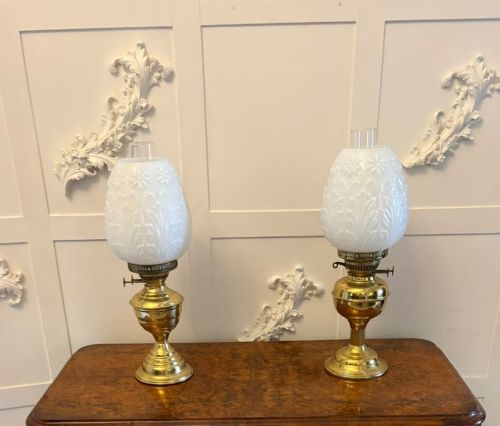
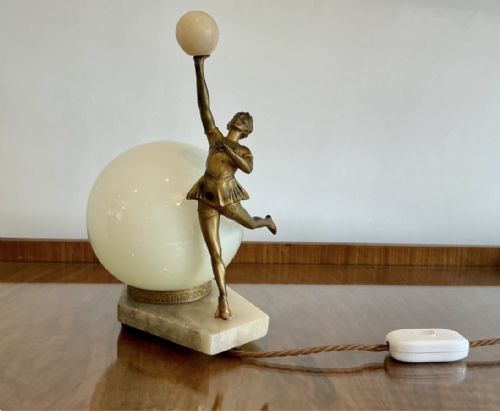
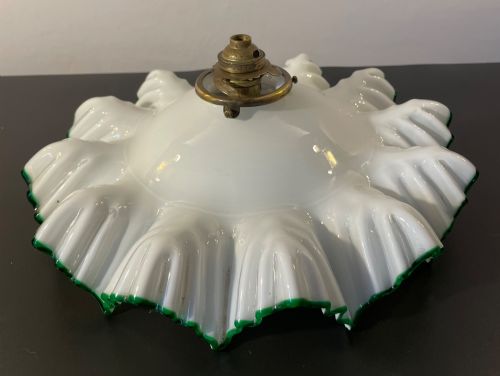
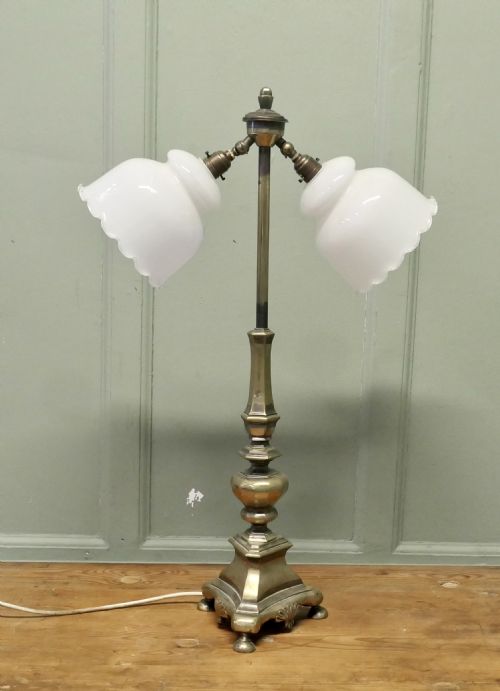
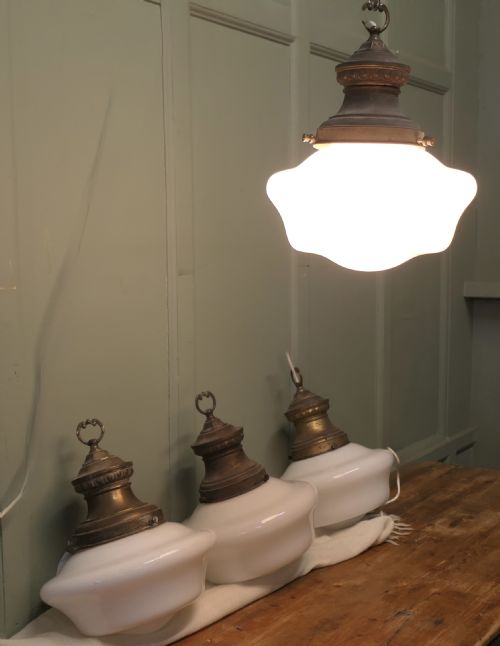
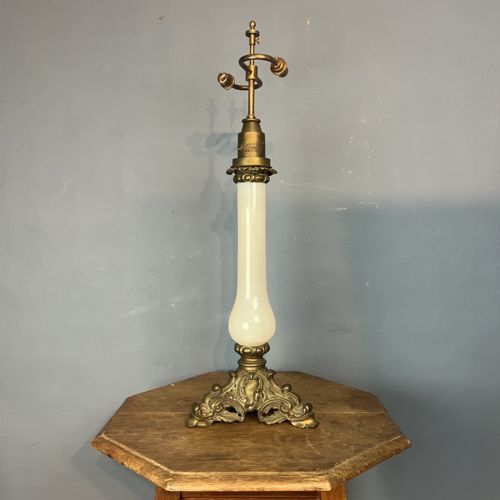
When you search for vintage opaline lighting, you encounter functional domestic fixtures and decorative fittings spanning the nineteenth century through the art deco era. The pieces listed range from oil lamps and paraffin lamps with glass shades to pendant lights, ceiling lights, and table lamps.
You meet Victorian examples featuring brass mounts and gilt details alongside industrial ceiling lights and art deco pendants from the nineteen-twenties and nineteen-thirties. French and English origins predominate, taking forms such as pear-shaped pendants, conical hanging lights, and telescopic uplighters.
How they were made
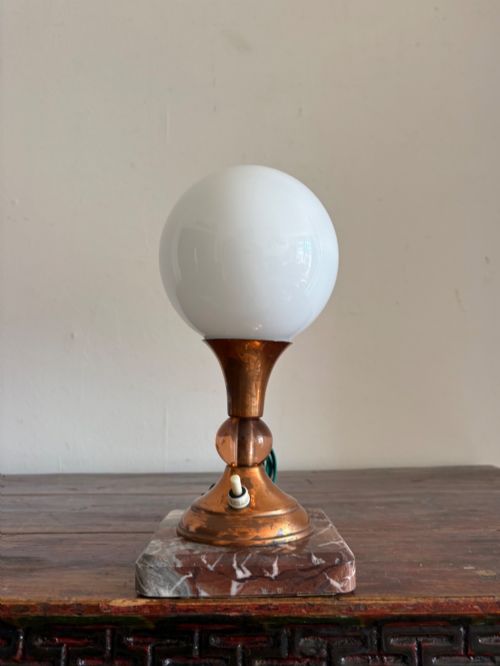
The primary material uniting these items is opaline glass, prized for its milky, translucent quality that softens harsh illumination. Makers combined this distinctive glass with structural metal components including brass, bronze, copper, chrome, and gilt fittings.
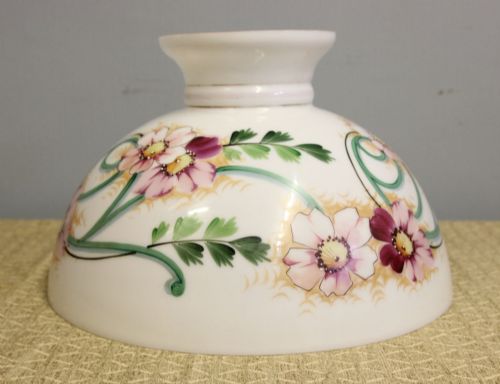
Manufacturing methods balance utilitarian hardware with decorative glassblowing and moulding. Many items incorporate burner mechanisms from period makers, heavy marble bases, or hand-painted surface details applied to the glass shades and bodies.
Pineapple lamp bases stand ready to tropicalise your hallway alongside severe industrial chapel lights.
What varies in quality
Quality rests in the weight of the metal mountings and the depth of the opaline glass itself. Substantial brass or bronze columns and crisply cast or stamped fittings distinguish finer examples from standard production.
The sophistication of the glass form and the integrity of period burners or original hanging fixtures determine the standing of a piece. Finer items display balanced proportions, clean patination on the metal, and unblemished translucent shades.
Joseph Hinks·Wild And Wessel·Mc Gary
The Vintage Opaline Lighting Glossary
- Opaline glass
- A translucent, milky glass often tinted in white or pastel shades used widely for lighting diffusers. It scatters light evenly without harsh glare.
- Pendant light
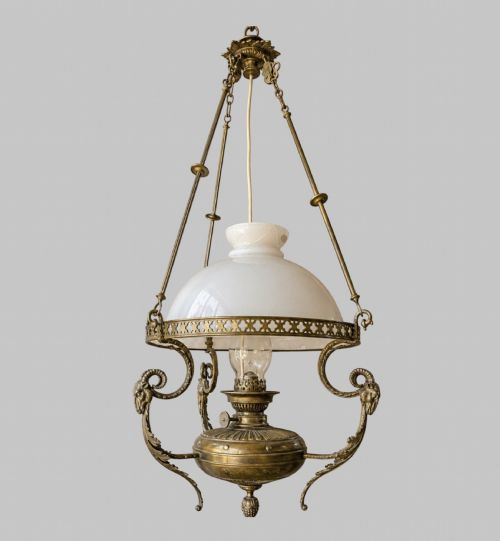
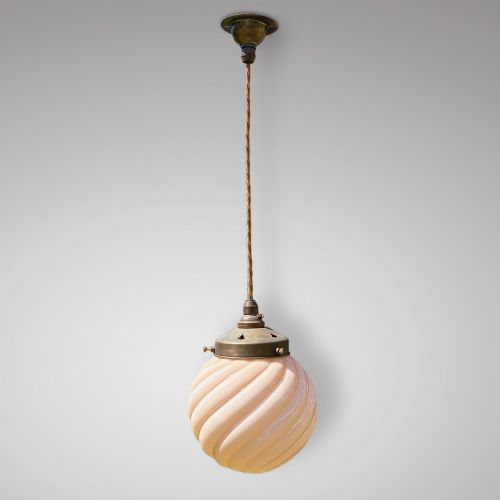
- A hanging luminaire suspended from the ceiling by a cord, chain, or metal rod. These direct illumination downward into a space.
- Lustre
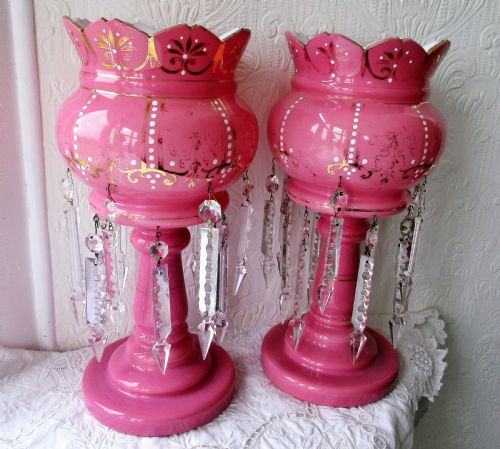
- A decorative tabletop ornament featuring hanging crystal prisms arranged around a glass or porcelain body. They frequently appear alongside period lighting.
- Plafonnier
- A bowl-shaped ceiling light fixture mounted flush or semi-flush against the ceiling surface. They typically utilise decorative glass shades.
- Hinks burner
- A specific mechanical burner assembly common on nineteenth-century oil and paraffin lamps. Their presence indicates period authenticity.
Vintage Opaline Lighting: Frequently Asked Questions
What is opaline lighting?
Opaline lighting refers to fixtures utilising translucent milk glass that diffuses light softly across a room. The material creates a gentle, even glow without exposing the bulb.
These pieces range from Victorian oil lamp shades to industrial pendant lights from the nineteen-thirties.
How do I date an opaline light?
Dating relies on examining the metal hardware, burner mechanism types, and overall silhouette. Victorian pieces often feature heavy brass mountings and elaborate gilt decoration.
Later art deco and industrial examples favour simpler geometric lines, chrome, or streamlined glass shapes like pear and conical pendants.
Were these converted to electricity?
Many surviving oil and paraffin lamps undergo professional conversion to electricity for modern domestic use. This allows historical bases and shades to function safely as table lamps or uplighters.
Original hanging pendants and ceiling lights often retain their period wiring paths and require updating to meet current safety standards.
How do I clean opaline glass?
Cleaning requires gentle warm water and mild soap applied with a soft cloth to protect the glass surface. Avoid harsh abrasives that might damage hand-painted details or gilt highlights.
Metal components such as brass or bronze should be dusted carefully to preserve their natural age patina.
Where do these lights work best?
Pendant lights suit kitchens, hallways, and dining spaces where direct or diffused overhead illumination is required. Table lamps and uplighters fit living rooms and studies to provide ambient corner lighting.
The neutral milky tones of the glass complement both traditional and modern interiors.