



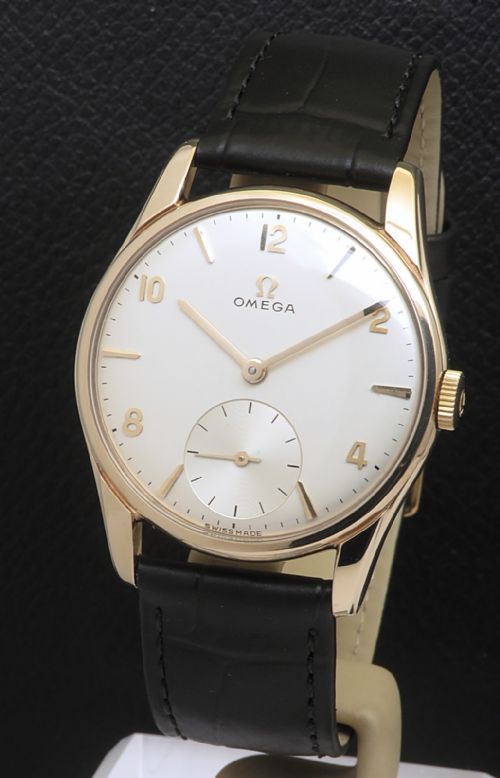

Vintage Omega Calibre
A vintage omega calibre represents the pinnacle of mid-century Swiss horology, prized for mechanical ingenuity and enduring wrist presence.
Vintage Omega Calibre
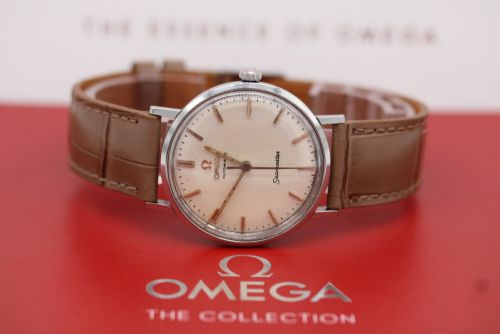
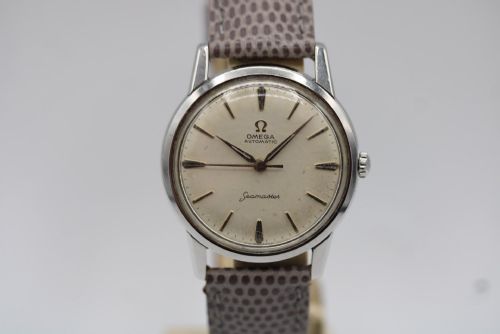
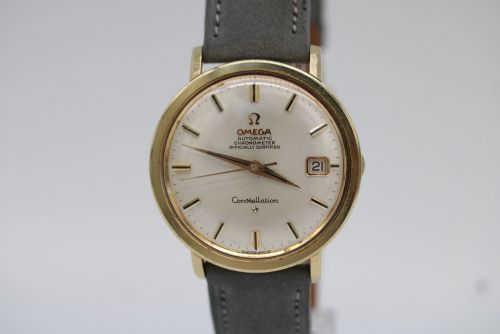
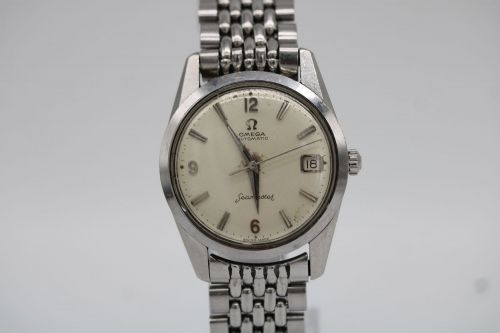
Most examples belong to established families such as the Seamaster, Constellation, Genève, and Speedmaster. These pieces range from manual wind dress models to automatic movements with calendar complications and chronographs.
Materials and Movements
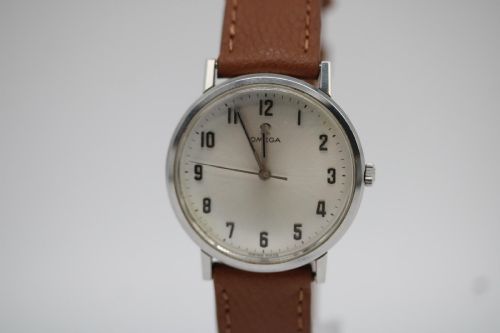
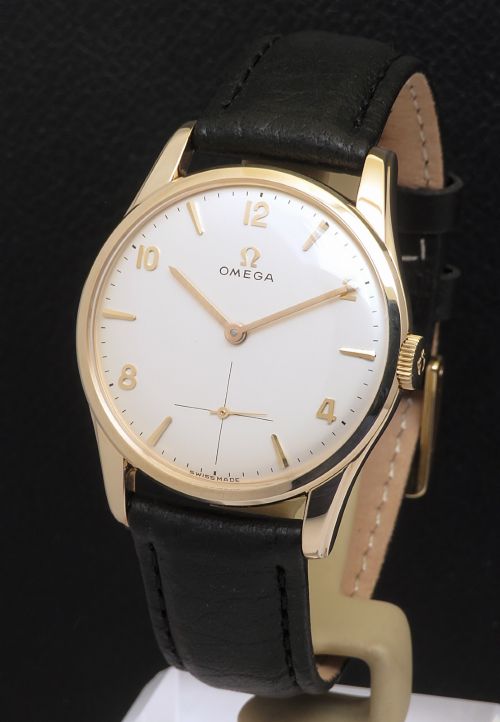
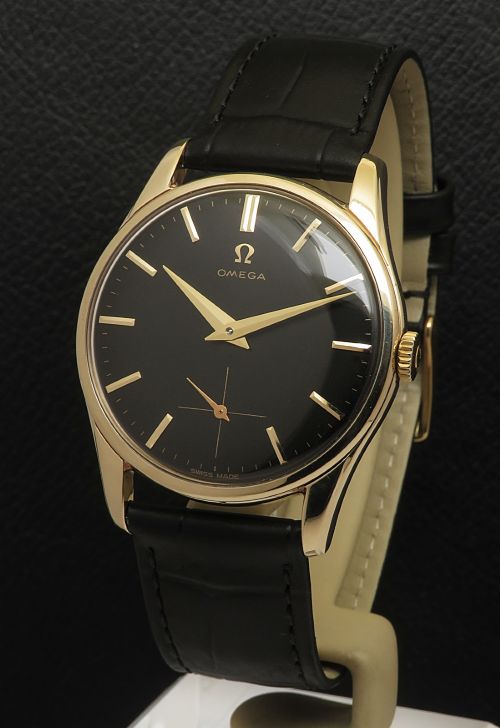
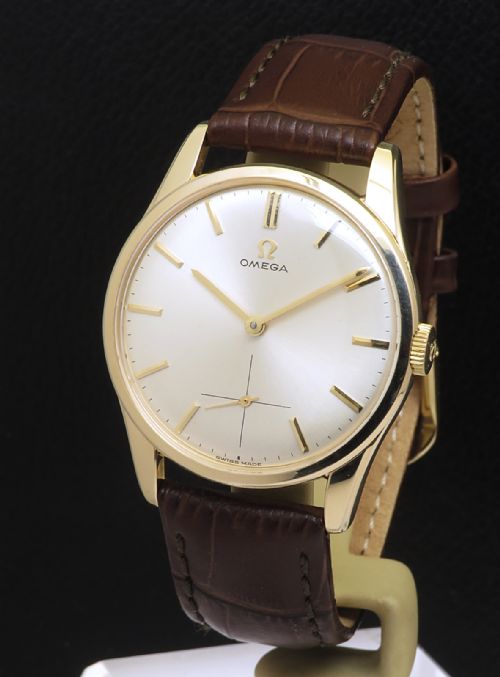
Cases are formed from durable stainless steel or cast in precious metals including 9ct, 14ct, and 18ct gold, paired with leather straps. Dials protected by glass or acrylic crystals often exhibit textured finishes or patinated details.
Internal mechanics rely on precise manual wind or automatic movements, sometimes utilising bumper rotors in earlier calibres. Each movement is designated by specific calibre numbers that denote its distinct architectural generation.
Vintage Omega Calibre Retail Price Guide 2026
Typical asking prices for vintage omega calibre among the pieces listed under this phrase on Sellingantiques today, from the lower quarter to the upper quarter. They describe what is for sale here now, not the wider market.
Listings feature horological pieces spanning the 1940s, 1950s, and 1960s, constructed in stainless steel, 9ct gold, and gold-plated housings.
Condition and Provenance
Quality diverges based on the originality of the dial and the preservation of the case edges. Unpolished metalwork and factory-original dials command greater appreciation among serious horological enthusiasts.
The presence of original boxes, service papers, and documentation elevates a piece significantly. Mechanical fidelity and the historical integrity of the specific calibre movement further dictate overall desirability.
Omega
The Vintage Omega Calibre Glossary
- Calibre
- The internal mechanical movement of a watch, designated by a specific number from the manufacturer. It represents the distinct design and architecture of the engine driving the timepiece.
- Bumper automatic
- An early self-winding mechanical movement where the rotor swings back and forth against springs rather than rotating fully. This mechanism is characteristic of specific mid-century automatic calibres.
- Manual wind
- A timepiece movement that requires the wearer to manually turn the crown to tension the mainspring. These watches do not feature automatic rotors.
- Patinated dial
- An aged watch face that has developed unique discoloration or spotting over decades of exposure. Collectors often value this natural ageing when uniform and attractive.
- Chronograph
- A watch equipped with a stopwatch function alongside traditional timekeeping. These complex models utilise specialised internal mechanisms to measure elapsed time.
Vintage Omega Calibre: Frequently Asked Questions
What is a vintage omega calibre?
A vintage omega calibre refers to a mid-century wristwatch driven by a specific numbered mechanical movement produced by the Swiss manufacturer. These pieces encompass classic dress watches, robust divers, and chronographs from the 1940s through the 1960s.
Each calibre designation identifies the precise internal architecture and design of the movement housed within the case. Buyers seek them for their mechanical reliability and historical significance in watchmaking history.
How do I wind a manual watch?
To wind a manual vintage watch, rotate the crown clockwise between your thumb and forefinger until you feel firm resistance. Stop immediately once resistance is met to avoid damaging the mainspring.
Most manual wind models require daily attention to maintain accurate timekeeping throughout wear. Establishing a consistent routine helps preserve the longevity of the internal gears.
Are these watches waterproof?
Vintage timepieces generally lack modern water resistance standards due to degraded original gaskets and aged materials. Even models designated for diving should be kept away from moisture unless professionally tested and sealed.
Protecting the movement from humidity and water prevents rust and preserves the delicate components on the dial and inside the case.
How do I date a piece?
Dating these watches typically involves matching the internal movement serial number against manufacturer production records. Case back hallmarks and reference numbers also provide reliable chronological markers for the decade of manufacture.
Consulting historical archives helps collectors verify the exact production year of both the exterior housing and the internal calibre.