
Vintage Old Cut Diamond Ring
A vintage old cut diamond ring offers distinct hand-faceted sparkle shaped by eras from the Victorian period to the mid-century.
Vintage Old Cut Diamond Ring
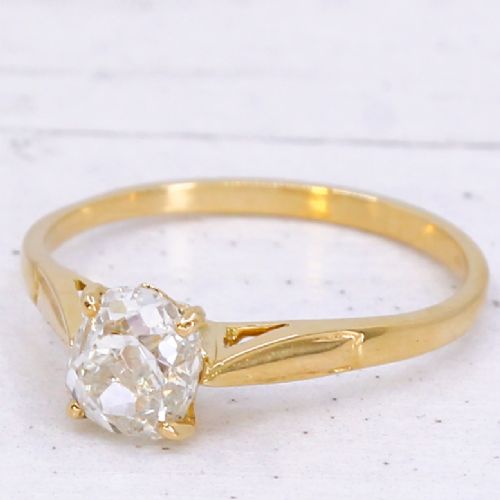
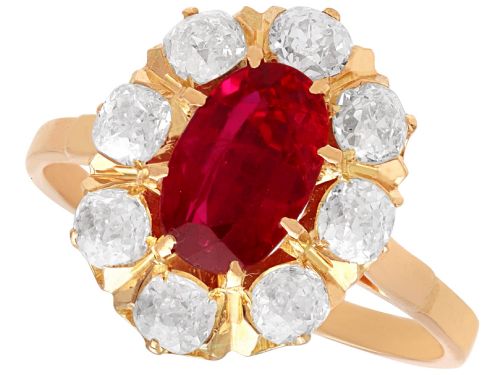
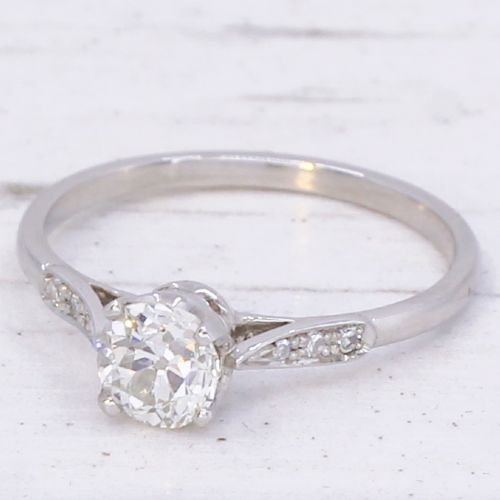
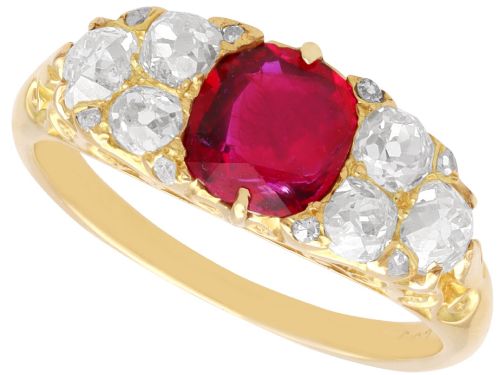
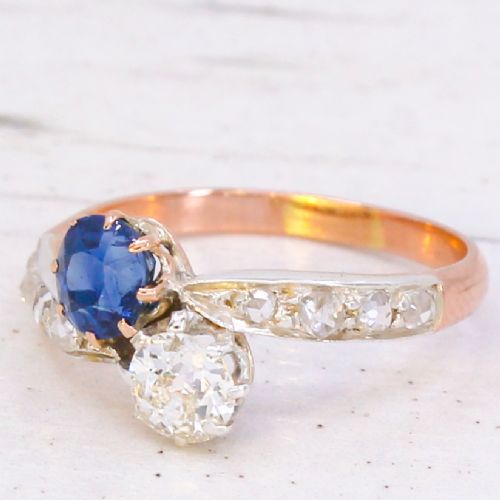
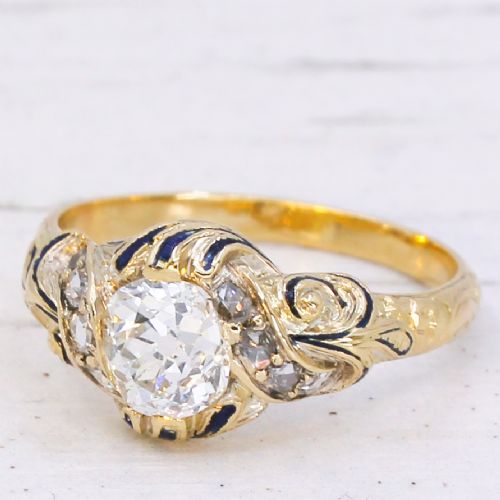
A vintage old cut diamond ring represents a search for distinctive hand-faceted stones set in precious metals spanning the Victorian, Edwardian, Art Deco and mid-century periods. These pieces frequently take the form of solitaire engagement rings, multi-stone bands, and intricate cluster or daisy arrangements.
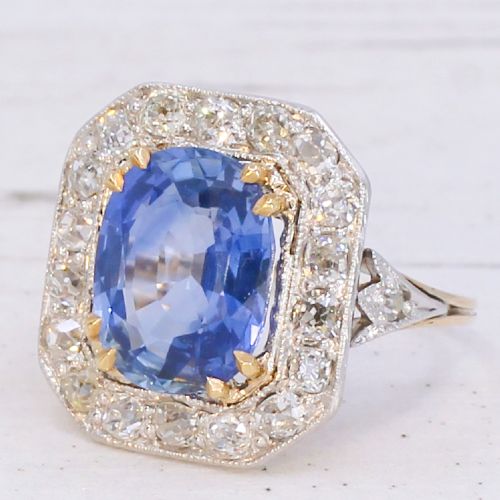
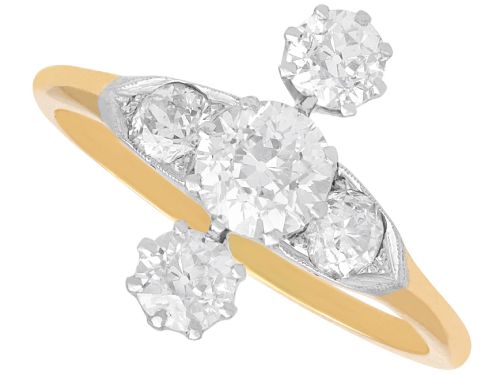
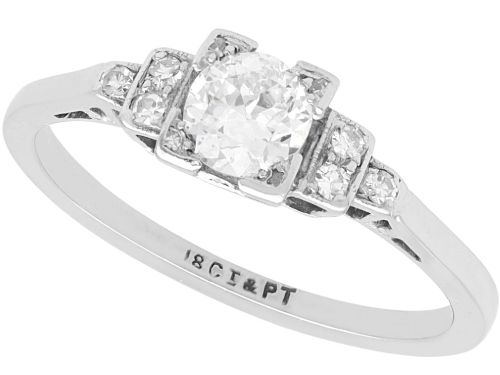
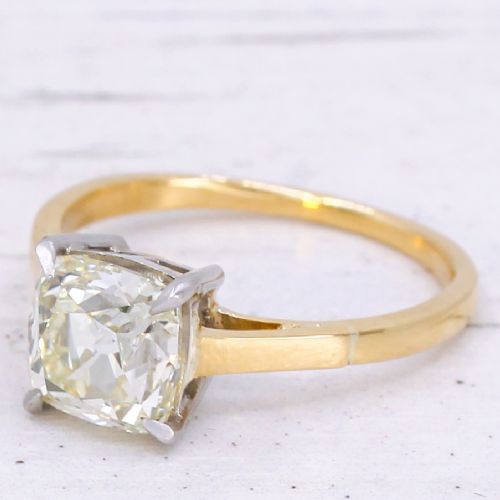
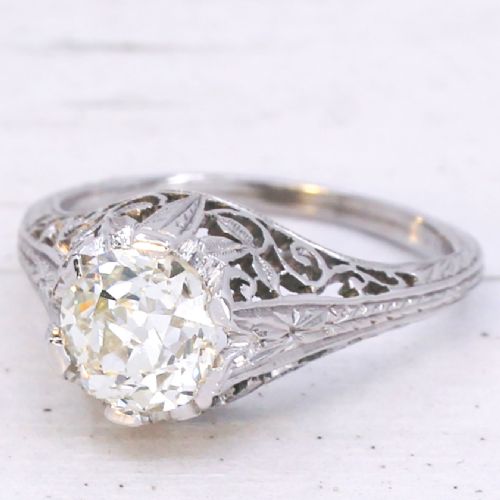
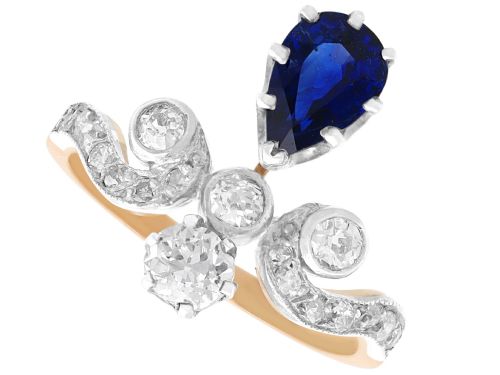
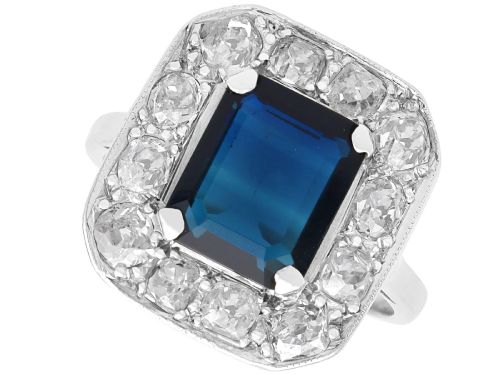
The inventory on this page draws heavily from early twentieth-century designs, featuring Edwardian platinum settings and 1920s Art Deco geometries alongside Victorian multi-stone bands. Buyers will encounter yellow gold, white gold and platinum structures framing cushion, pear, oval and round old cut diamonds.
How they were made
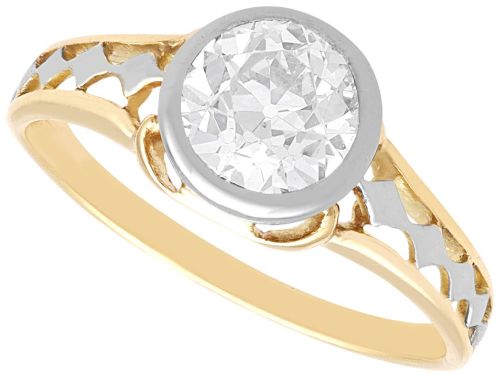
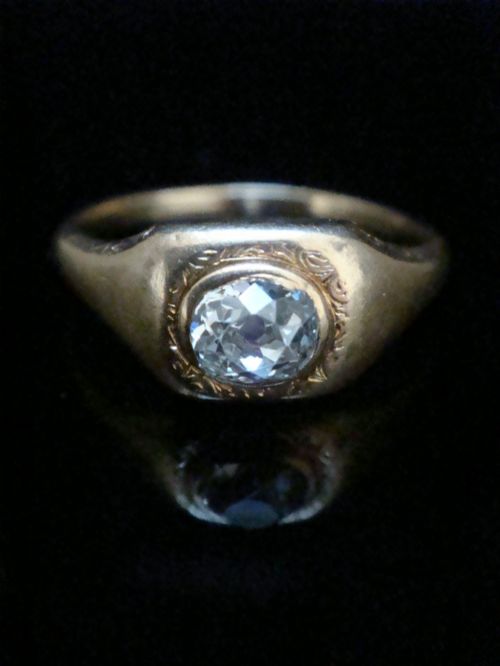
Goldsmiths utilised 18ct yellow gold, 18ct white gold, and durable platinum to construct secure settings that often combined metals for visual contrast, such as platinum top galleries over yellow gold shanks. Stones were hand-set using claw, bezel, or flush gypsy techniques suited to the unique contours of antique diamonds.
Diamonds featured in these rings were cut by hand rather than by modern machinery, resulting in characteristic high crowns, smaller table facets, and open culets that produce a warm, candlelit sparkle. Master lapidaries shaped these stones to maximise weight retention and brilliance under ambient light rather than mathematical laser precision.
Listings feature yellow gold, white gold, and platinum materials housing old cut diamonds across Edwardian, Art Deco, and Victorian periods.
What varies in quality
Quality differences stem from the original symmetry and proportions of the hand-cut diamond, alongside the intricacy and preservation of the metalwork. Master lapidaries of the early twentieth century achieved varying degrees of facet alignment, which directly influences how the stone captures and refracts light.
The structural integrity of the setting and the original cast of the gallery work also separate standard pieces from exceptional examples. Fine millegrain detailing, robust claw work, and well-preserved platinum or 18ct gold bands indicate superior craftsmanship from the Victorian and Art Deco eras.
The Vintage Old Cut Diamond Ring Glossary
- Old Cut
- A diamond faceting style from the late nineteenth and early twentieth centuries characterised by a smaller table, higher crown, and open culet. These stones were shaped by hand to glow warmly in candlelight.
- Toi Et Moi
- A ring style featuring two main stones positioned closely together, translating from French to 'you and me'. This design symbolises a romantic union.
- Navette
- A boat-shaped ring setting that tapers to sharp points at either end. This elongated geometric form was favoured during the Edwardian and Art Deco periods.
- Gypsy Ring
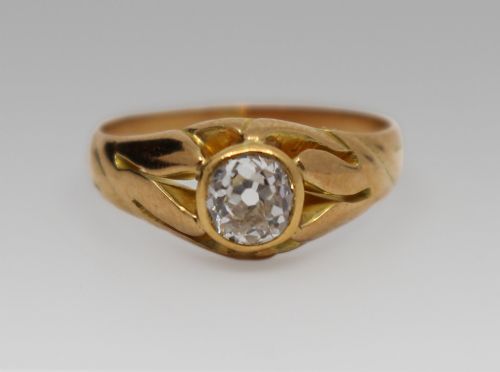
- A band style where the diamond or gemstone is flush-set directly into the thick metal hoop. The shoulders taper smoothly toward the centre stone.
- Culet
- The tiny flat facet at the very bottom of an antique diamond. Old cut stones frequently display a distinct open culet visible through the top of the stone.
Vintage Old Cut Diamond Ring: Frequently Asked Questions
How do I care for my antique ring?
Clean your ring gently using warm soapy water and a soft brush to remove everyday oils from beneath the hand-cut diamond. Avoid harsh ultrasonic cleaners that might damage delicate claw work or softer accent gemstones.
Have a professional jeweller inspect the platinum or gold settings periodically to ensure the security of the stones. Regular checks prevent accidental loss from worn prongs.
Can these rings be resized safely?
Most gold and platinum rings from the Victorian and Art Deco periods can be adjusted by a skilled jeweller. The process depends on the band material and the presence of intricate shoulder engravings or channel-set stones.
Take the piece to a specialist experienced in antique jewellery to preserve structural details like millegrain edges and maker marks. Proper sizing maintains the original balance of the shank.
What is the difference between old cut and modern cut diamonds?
Old cut diamonds feature hand-cut facets fashioned before modern machinery standardised proportions. They typically exhibit smaller tables, steeper crown angles, and larger culets that create a softer, blocky scintillation.
Modern brilliant cut diamonds utilise precise mathematical formulas designed for maximum direct brilliance and light return. Antique cuts prioritize character and depth under varied lighting environments.
How do I identify an Edwardian ring?
Edwardian rings rely heavily on platinum settings paired with yellow gold shanks, creating lightweight, lace-like metalwork known as garland style. Jewelers incorporated millegrain edging and delicate piercing techniques to mimic fine embroidery.
Diamonds and pearls dominate this period, frequently accompanied by sapphires or rubies. The overall aesthetic emphasises grace, symmetry, and ethereal lightness.