

Victorian Gold Diamond Ring
A victorian gold diamond ring brings together the distinctive warmth of nineteenth-century metalwork and the unmistakable glimmer of hand-cut stones.
Victorian Gold Diamond Ring
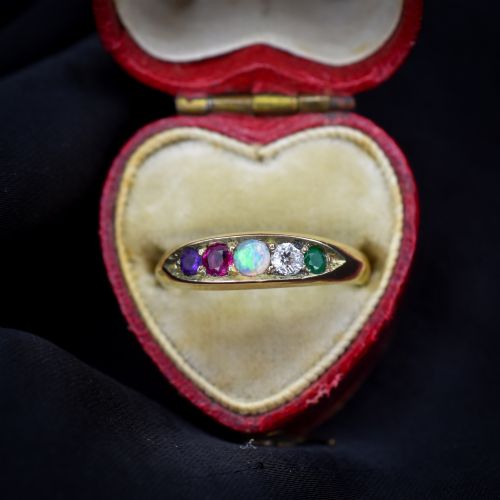
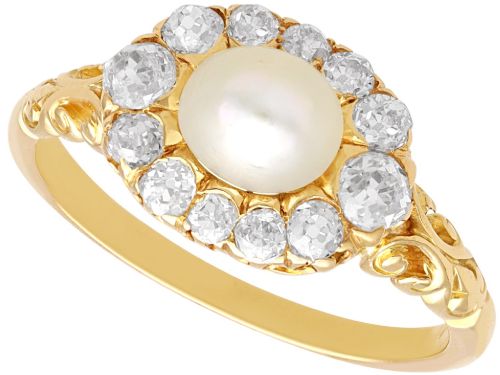
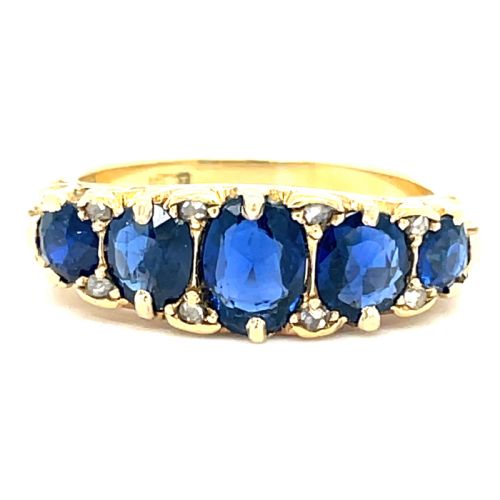
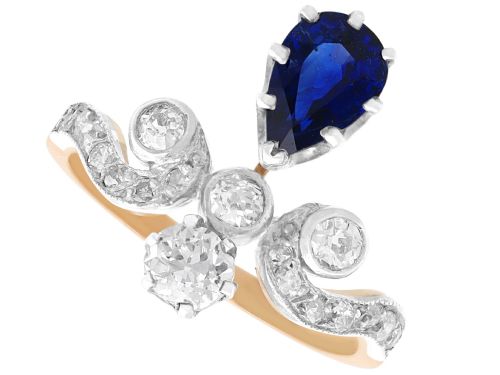
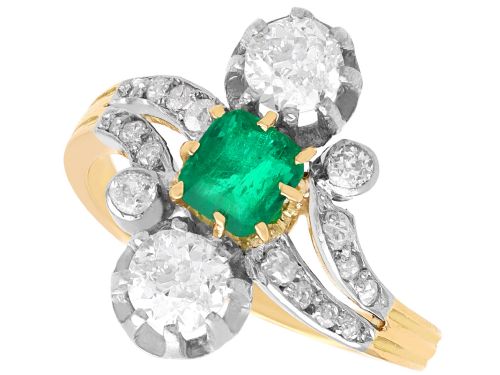
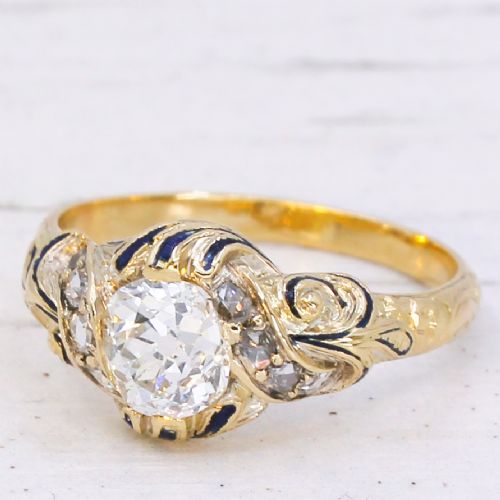
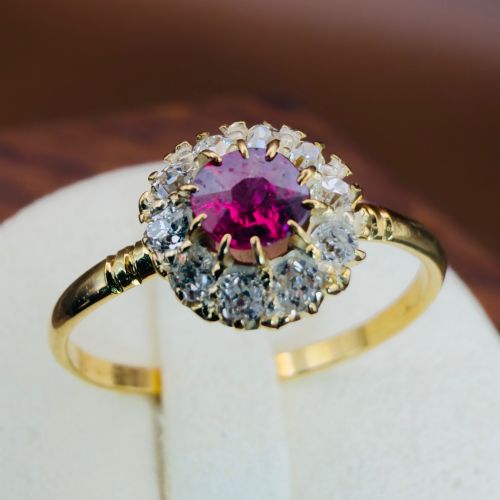
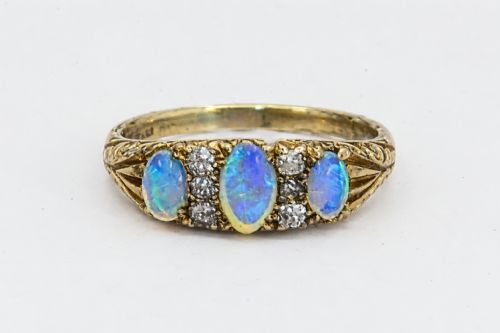
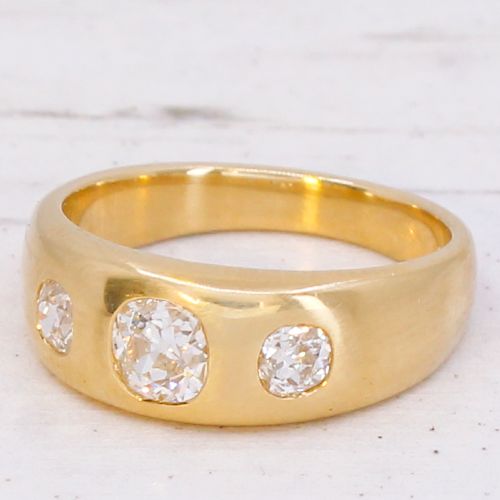
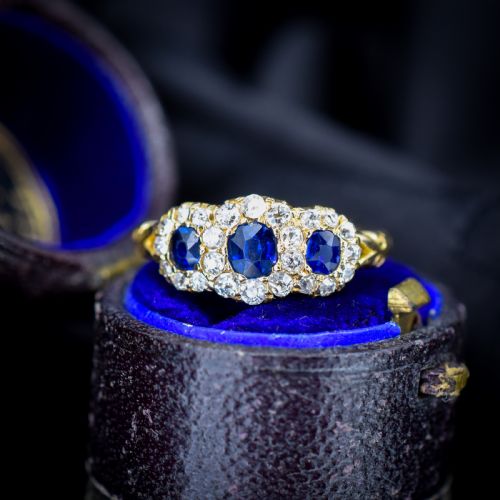
A victorian gold diamond ring encompasses a variety of historical forms shaped by nineteenth-century tastes, ranging from straightforward gypsy settings to elaborate multi-stone clusters. These pieces frequently incorporate diamonds alongside coloured gemstones such as rubies, sapphires, emeralds, opals, and turquoise.
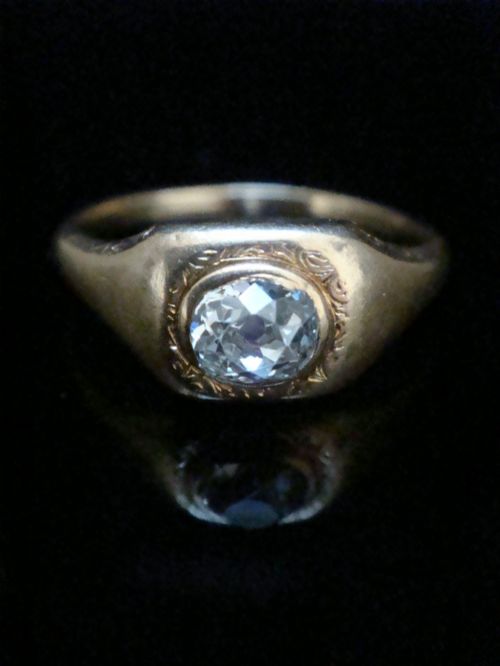
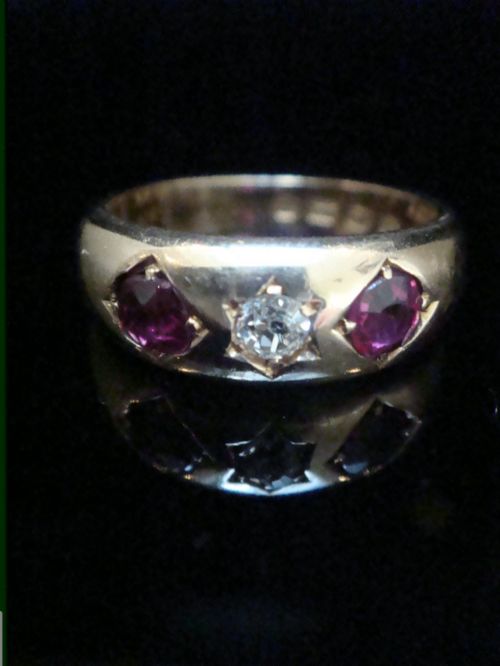
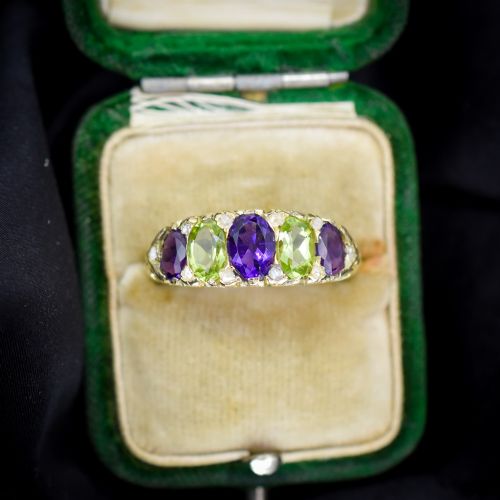
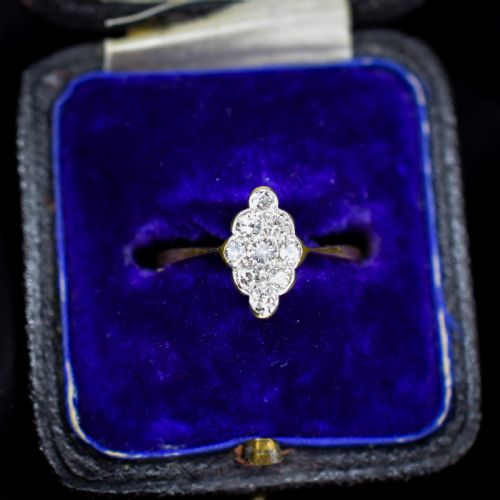
The selection on this page centres primarily on rings originating from the Victorian era, alongside related nineteenth-century designs, early twentieth-century interpretations, and Edwardian examples. Common configurations include five-stone bands, boat shapes, navette clusters, and serpent motifs executed in yellow gold.
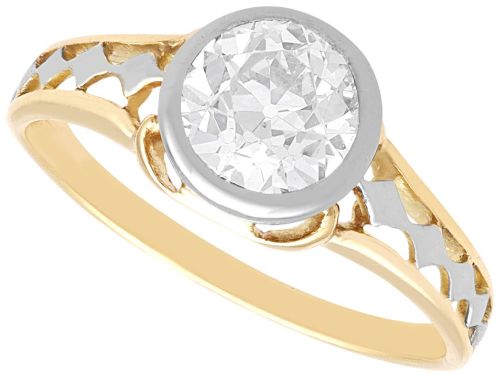
Makers utilised high-karat gold standards, predominantly 18ct yellow gold and occasionally 15ct gold, sometimes paired with platinum. These survivals reflect the changing stylistic preferences of the period, moving from mid-Victorian ornamentation towards late-century cluster work and early Edwardian refinement.
How They Were Made
Goldsmiths constructed these rings using 18ct yellow gold, 15ct gold, and platinum, shaping the metal through casting, hand-fabrication, and detailed wirework. Settings often relied on flush gypsy mountings or delicate claw and bezel designs to secure the stones.
Stones were cut by hand, yielding old mine cuts, old cut diamonds, and rose cuts that display distinctive facet patterns differing from modern machine-cut stones. These gems were integrated alongside natural rubies, sapphires, pearls, and emeralds using traditional bench jeweler techniques.
Listings feature 18ct yellow gold, 15ct gold, and platinum materials paired with diamonds, rubies, sapphires, emeralds, pearls, opals, and turquoise.
What Varies in Quality
The calibre of a victorian gold diamond ring depends on the weight and integrity of the goldwork, the substance of the shank, and the preservation of intricate scrollwork or engraved details. Heavier bands and robust settings indicate substantial original manufacture.
Stone selection and cutting consistency significantly influence the overall character, distinguished by the depth and clarity of accompanying rubies, sapphires, or emeralds paired with the diamonds. The precision of the hand-cut facets and the symmetry of cluster or navette arrangements demonstrate the maker's proficiency.
The Victorian Gold Diamond Ring Glossary
- Old Mine Cut
- A diamond cut characterised by a cushion shape, a high crown, a small table, and a large culet. This traditional form predates modern brilliant cuts and reflects hand-polishing methods of the nineteenth century.
- Gypsy Ring
- A style of ring where the stones are flush-set directly into the thick, tapered gold band. This creates a smooth exterior surface popular during the late Victorian period.
- Navette
- A boat-shaped or marquise-like mounting format featuring a pointed oval outline. This configuration allows a cluster of diamonds and coloured gems to sit lengthwise along the finger.
- Trilogy Ring
- A three-stone ring design representing the past, present, and future. These pieces typically feature a central diamond flanked by two matching gems or vice versa.
- Rose Cut
- A vintage diamond or gemstone cut featuring a flat base and a domed crown covered in triangular facets. It produces a soft, translucent shimmer rather than intense brilliance.
Victorian Gold Diamond Ring: Frequently Asked Questions
How can I date an antique gold ring?
Dating relies on stylistic clues such as navette clusters, snake motifs, or multi-stone boat settings typical of the nineteenth century. Hallmarks stamped inside the band often provide specific assay office symbols and date letters.
Comparing the cut of the diamonds, such as old mine cuts or rose cuts, further helps narrow the period of production.
Are coloured gemstones common in these rings?
Coloured gemstones appear frequently alongside diamonds in Victorian and Edwardian jewellery. Rubies, sapphires, emeralds, opals, and turquoise were often arranged in cluster, trilogy, or five-stone formations.
These combinations reflect nineteenth-century preferences for vibrant colour contrasts set against yellow gold.
How should I care for antique jewellery?
Antique rings require gentle handling due to their age and delicate claw or flush settings. Cleaning should be done with mild soapy water and a soft brush, avoiding harsh ultrasonic machines that can dislodge old stones.
Regular checks by a jeweller ensure that worn settings are tightened to secure the original diamonds and gemstones safely.