



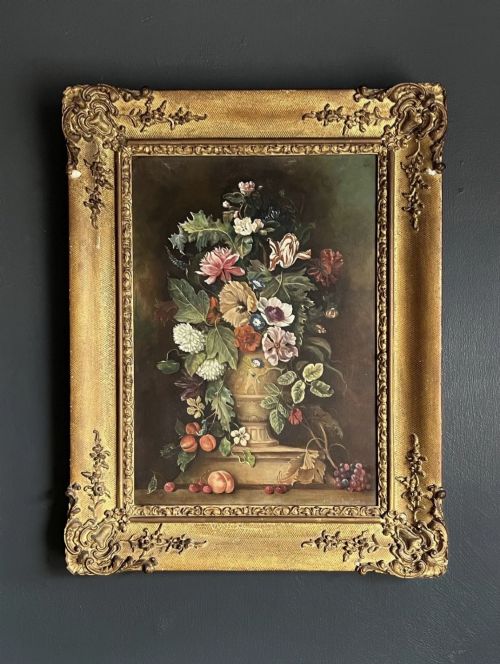


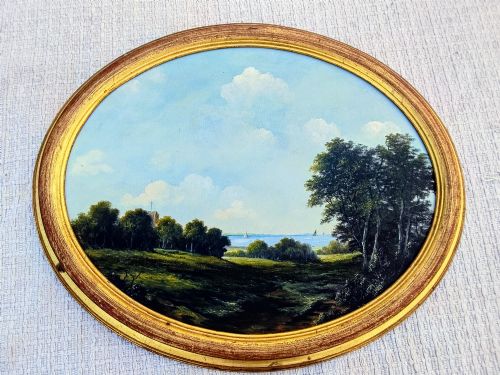
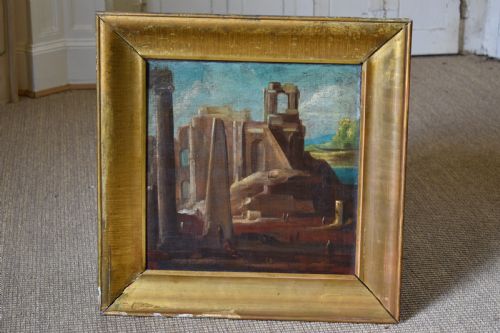
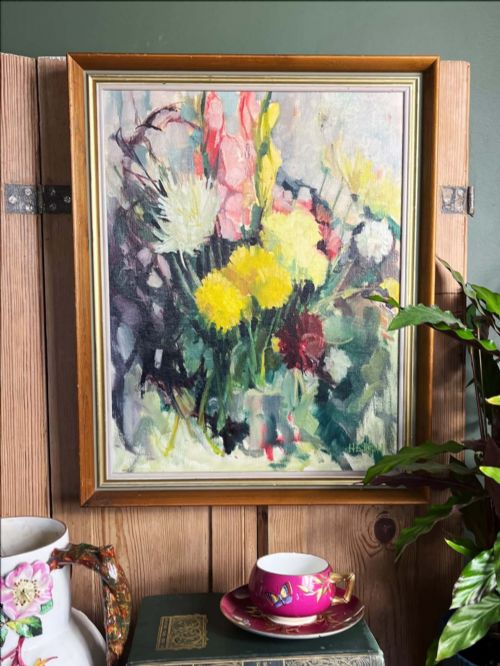
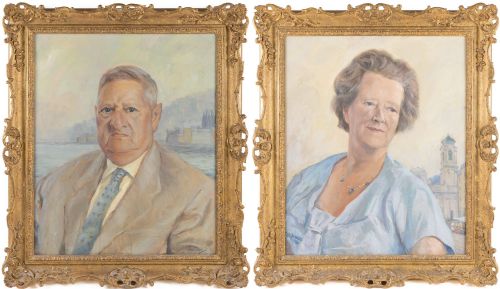

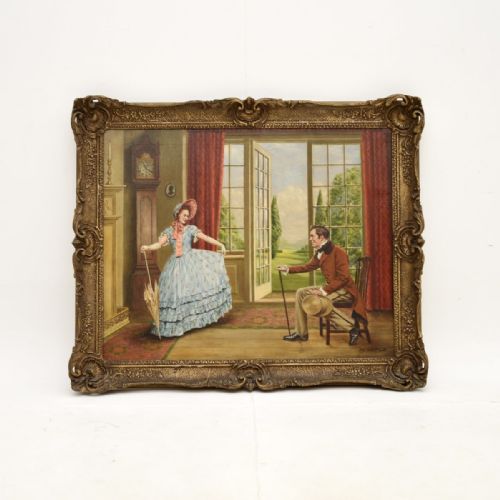
Vintage Oil Canvas Picture
These vintage oil canvas pictures bring depth and texture to a room, offering original hand-painted art spanning from the nineteenth century to the mid-twentieth century.
Vintage Oil Canvas Picture
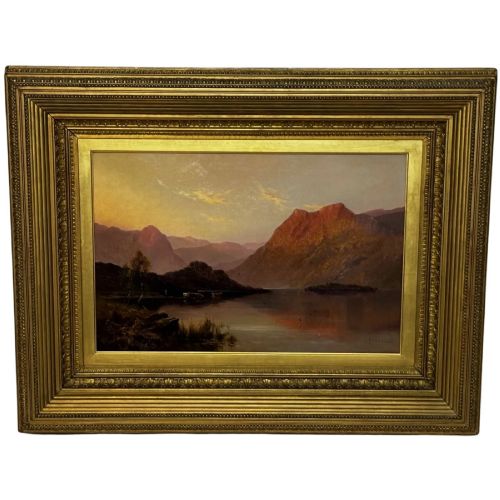
A vintage oil canvas picture encompasses traditional painted works executed on woven fabric, frequently stretched over wooden frames or applied to board support. These pieces capture diverse subject matter, ranging from pastoral landscapes and maritime scenes to portraits and still lifes.
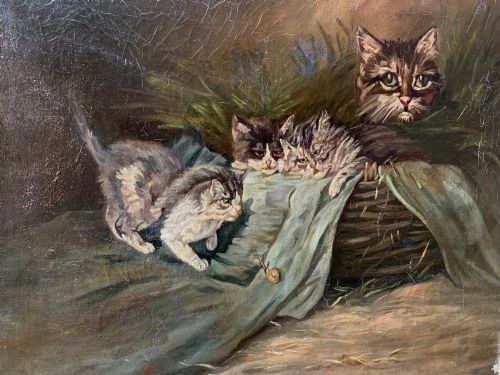
The selection ranges across multiple decades and centuries, including Victorian works, Edwardian pieces, and mid-twentieth-century examples. Buyers frequently encounter landscapes featuring rivers or cattle, alongside floral compositions and animal portraits.
Origins vary from British and French schools to Dutch Golden Age styles and Japanese scenes. Such works provide tangible connections to past artistic traditions through visible brushwork and layered pigment.
Materials and construction methods
Makers utilised oil paint, a medium composed of pigment suspended in drying oil, which allows for rich colour depth and gradual blending. This pigment sits upon woven canvas or wooden board surfaces, often secured by wooden stretchers.
Many works are housed within original or period frames constructed from wood, embellished with gesso and gilt details. Gesso provides a smooth base for the application of gold leaf or paint on moulded wooden frames.
Materials recorded across the inventory include oil paint, canvas, wood, gilt, and gesso.
Distinguishing quality in painted works
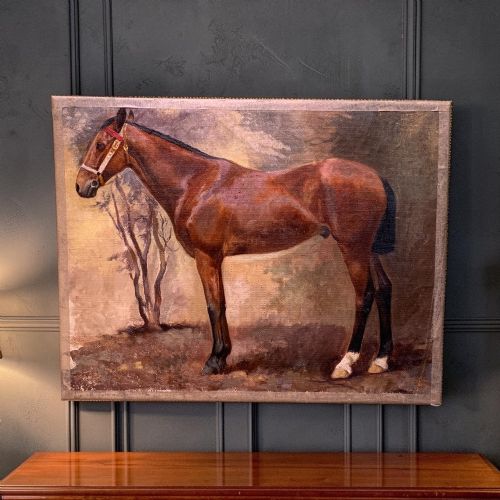
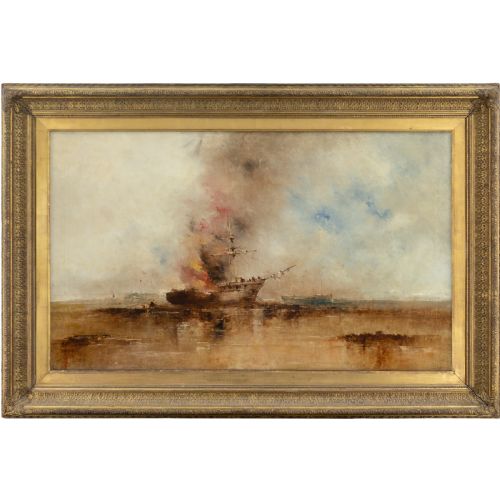
Quality rests in the handling of brushwork, compositional balance, and the articulation of light and shadow by the artist. Skilled execution brings immediacy to subjects such as equine portraits or coastal views.
The preservation of the original canvas, stability of the oil paint layer, and the integrity of the accompanying giltwood frame contribute significantly to the standing of a piece.
Kenneth Cozens·William H Myers·Alfred Fontville de Breanski Jr·George Houston·Alfred Lyndon Grace·Fred Fitzpatrick·Dion Pears·Henry Yeen King
The Vintage Oil Canvas Picture Glossary
- Canvas
- A heavy woven fabric, typically flax or cotton, used as a support surface for oil painting.
- Giltwood
- Wood that has been carved and coated with gold leaf or a gold-coloured finish.
- Gesso
- A plaster-like mixture applied to wood or canvas to prepare a surface for painting or gilding.
- Impressionism
- An art style characterised by relatively small, thin yet visible brush strokes and an emphasis on accurate depiction of light.
Vintage Oil Canvas Picture: Frequently Asked Questions
How do I clean an oil canvas picture safely?
Dust the surface gently with a soft, dry brush to remove loose particles without pressing against the fabric. Avoid using water, household cleaners, or liquid solvents on the paint.
For deeper cleaning or accumulated grime, consult a professional art conservator to prevent damage to the delicate oil layers.
Are these paintings supplied with their original frames?
Many works retain their period frames, such as moulded giltwood or gesso designs that match the age of the canvas. Descriptions indicate whether a frame is period or a later replacement.
Frames often show signs of age, including minor losses to the gesso, which testify to their long history.
How do I identify the date of an oil painting?
Dates are determined through signatures, artist records, stylistic movements like post-impressionism, and the physical characteristics of the canvas and stretcher. Victorian and Edwardian works often display specific framing and canvas preparation techniques.
Inscriptions on the reverse of the canvas or wooden board frequently provide additional clues regarding the year of creation.
Where should I hang an oil painting at home?
Select an interior wall away from direct sunlight and rapid temperature fluctuations, as heat and moisture can affect the canvas and wooden frame. Stable indoor environments preserve the integrity of the oil paint.
Ensure the wall fixings are secure enough to support the weight of the framed piece safely.