



Vintage Office Organiser
A vintage office organiser brings order to a desk through the craftsmanship of the nineteenth and twentieth centuries.
Vintage Office Organiser
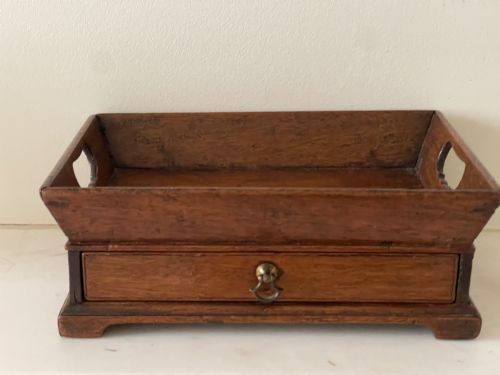
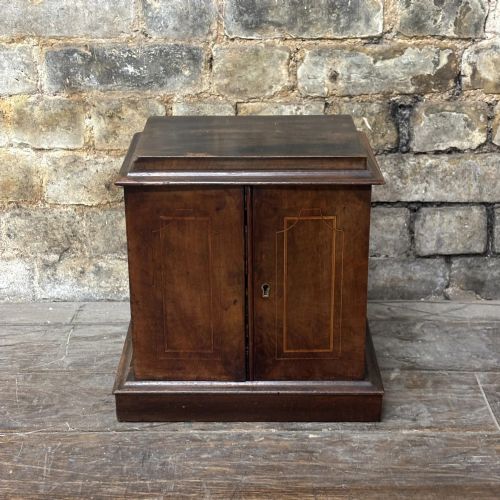
A vintage office organiser encompasses desk accessories, stationery cabinets, filing cabinets, and pigeon holes designed to keep correspondence and documents in order. These pieces range from compact desk tidies and perpetual calendars to substantial modular storage units and French post office filing shelves.
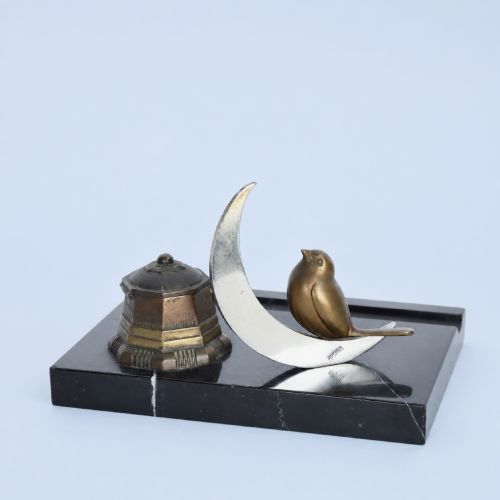
The selection on this page draws heavily from the Victorian and Edwardian eras, alongside Art Deco creations from around nineteen thirty. You will encounter utilitarian pine and oak alongside grander mahogany and kingwood pieces intended for prominent display in a study.
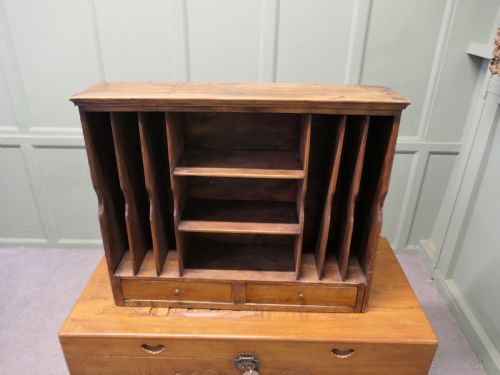
Forms vary from simple desktop bookshelves and brass desk clips to tambour front file cabinets and index filing drawers. Each object reflects the administrative needs of its period, whether for a gamekeeper, an insurance agent, or a busy Victorian clerk.
How they were made
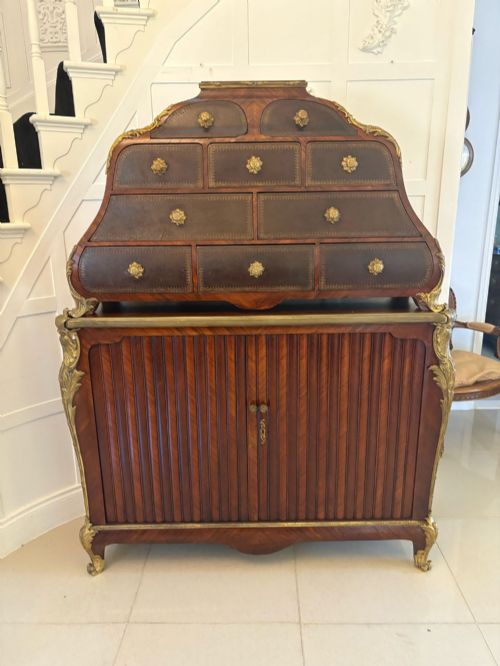
Cabinet makers utilised dense hardwoods such as mahogany, oak, and rosewood, often pairing them with brass hardware, iron clips, and occasionally ormolu mounts. Pine served for more utilitarian workshop storage, while exotic kingwood and polished marble appeared in higher status French pieces.
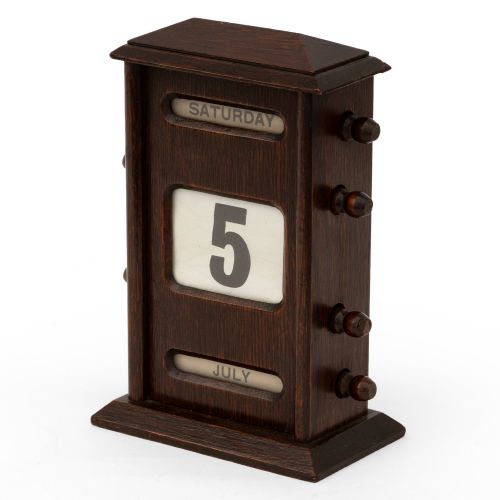
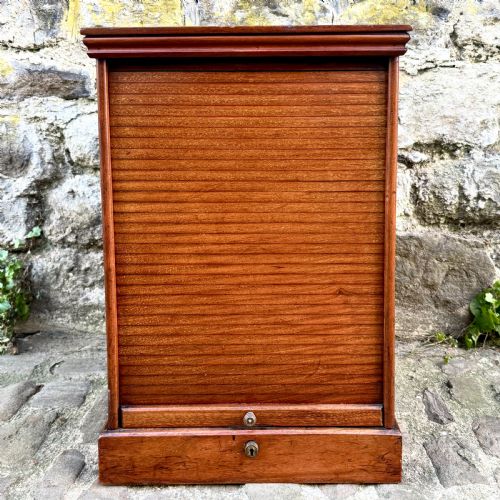
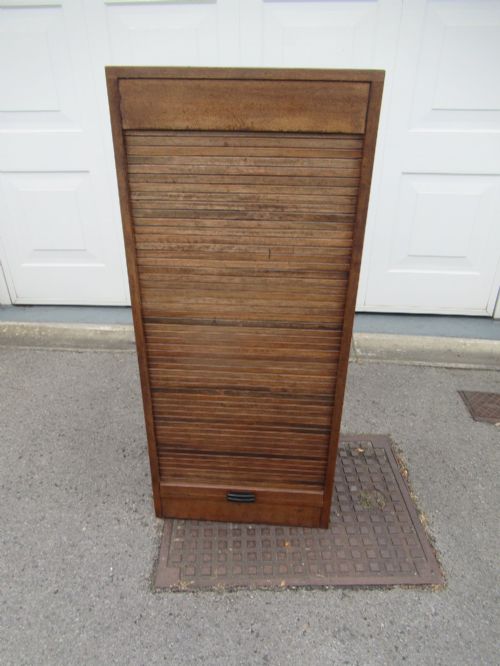
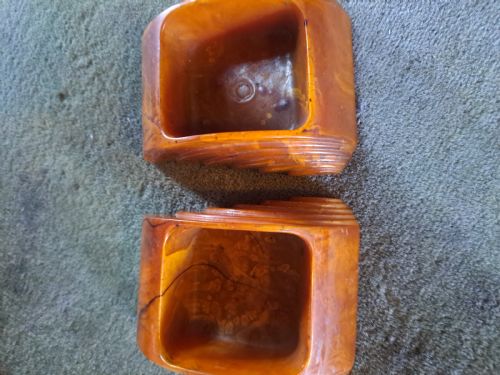
Specialised construction methods included tambour fronts for smooth sliding shutter doors, fitted pigeon holes for sorting papers, and hinged mechanisms for perpetual calendars and stamp wetters. Bakelite and Catalin introduced synthetic moulded elements to the later Art Deco items.
Vintage Office Organiser Retail Price Guide 2026
Typical asking prices for vintage office organiser among the pieces listed under this phrase on Sellingantiques today, from the lower quarter to the upper quarter. They describe what is for sale here now, not the wider market.
Listings feature items spanning the nineteenth century, the Edwardian period, and the nineteen thirties, constructed from oak, mahogany, brass, and marble.
What varies in quality
The distinction between standard office utility and finer desk furniture lies in the selection of timber and the precision of the joinery. Solid mahogany or figured oak cabinet work with dovetail joints stands apart from simpler nailed construction.
Details such as matched grain fronts, integrated brass calendar wheels, and original marble bases elevate an organiser from a basic work tool to a considered decorative object.
Amberg
The Vintage Office Organiser Glossary
- Cartonnier
- A cabinet designed for holding loose papers, documents, or cartons of files. These French pieces often feature leather-lined trays or drawers.
- Pigeon holes
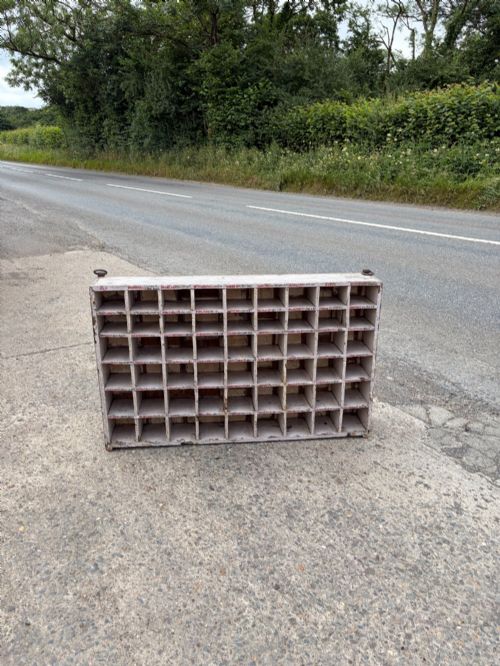
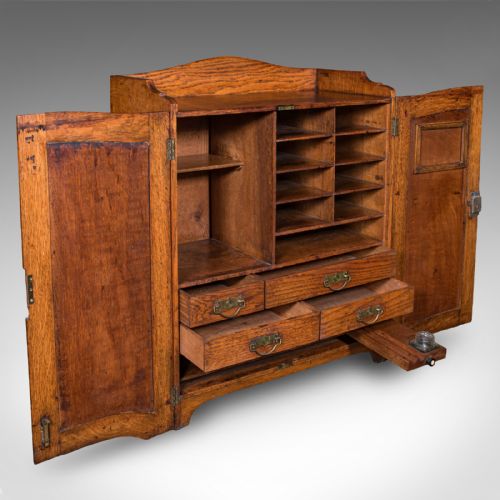
- Open compartments arranged in a grid for sorting letters and stationery. They form the backbone of many antique desk organisers and stationery cabinets.
- Tambour
- A flexible sliding door made from narrow strips of wood glued to a canvas backing. This mechanism allows smooth access to filing cabinet interiors without requiring clearance for swinging doors.
- Ormolu
- Gilded bronze mounts applied to furniture and decorative objects. They add ornamental richness to nineteenth-century French pieces.
Vintage Office Organiser: Frequently Asked Questions
What is a vintage office organiser?
A vintage office organiser is a desk accessory or small cabinet created to hold stationery, letters, and filing documents. These pieces range from oak perpetual calendars and brass desk clips to mahogany stationery cabinets and pigeon hole units.
Originating across the nineteenth and early twentieth centuries, they combine practical workplace utility with traditional cabinet making materials and styles.
How were old filing cabinets used?
Old filing cabinets and desk tidies were deployed in offices, insurance agencies, and estate offices to manage the daily flow of paper correspondence. Clerks used pigeon holes and small drawers to sort letters by date, priority, or recipient.
Larger modular units and tambour cabinets kept sensitive or active files secure and accessible during the Victorian and Edwardian periods.
Are these organisers suitable for modern desks?
These pieces integrate readily into contemporary workspaces by offering tangible solutions for mail, notebooks, and modern stationery. Compact desk tidies and small oak drawers sit neatly beside computers while concealing clutter.
Larger stationery cabinets and pigeon holes serve equally well in home studies for organising mail and sorting documents.
How do I identify the period of an organiser?
Dating relies on observing the prevailing materials, woods, and design styles represented in the piece. Heavy mahogany and elaborate brass mounts typically point to Victorian manufacture, while streamlined black marble and Bakelite indicate an Art Deco origin around nineteen thirty.
Simpler oak and pine pieces often align with Edwardian or early twentieth-century utilitarian office furniture.