



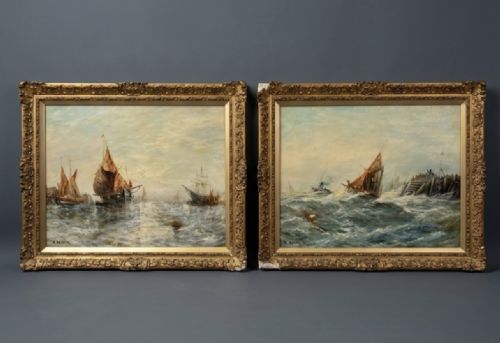


Vintage Ocean Scene Painting
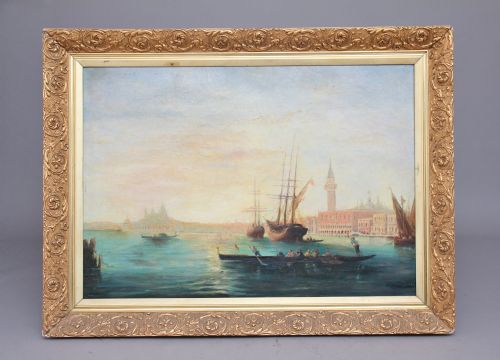
A vintage ocean scene painting brings the restless motion of the sea, from quiet Venetian lagoons to choppy English coastal harbours, directly onto the wall.
Vintage Ocean Scene Painting
A vintage ocean scene painting captures maritime life, coastal harbours, and heavy seas through the eyes of artists working from the nineteenth century into the mid-twentieth century. Buyers encounter oil paintings on canvas and board alongside delicate watercolours, often preserved behind glass within period frames.
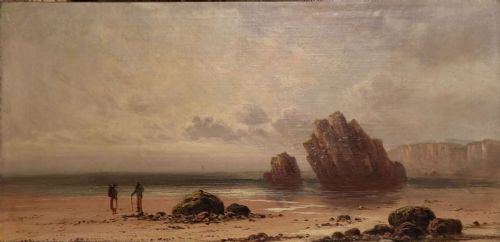
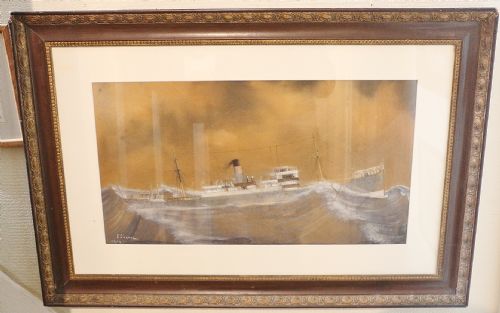
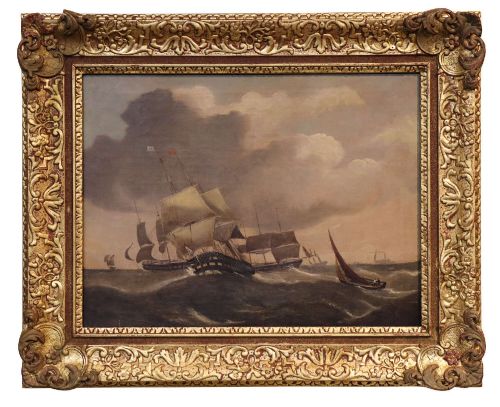
The selection ranges from early Victorian depictions of shipping in heavy seas to Edwardian studies of sailboats passing lighthouses and later impressionist Welsh coastal views. Many works record specific locations, including Cornish fishing ports, Scottish bays, and foreign waters.
The common thread across these pieces is a direct engagement with maritime subjects, whether through the fine brushwork of a nineteenth-century realist canvas or the fluid washes of an early twentieth-century watercolour.
Materials and Technique
Artists built these compositions using oil paint on stretched canvas or wooden board, or applied watercolour pigments onto paper. Oil mediums allowed for textured impasto to render rough waves and churning water, while watercolours offered transparent fluidity for skies and coastal light.
Surviving works frequently retain their original housing, utilising gilt wood frames or ebonised mouldings that complement the palette of the marine subject matter within.
Several artists clearly braved salt spray and sea winds, returning indoors with stubborn grains of sand still trapped in their drying impasto.
Judging the Work
Quality rests upon the artist's command of light, atmosphere, and maritime movement, distinguishing a routine topographical record from a truly evocative coastal composition. Stronger pieces convey the weight of water and the play of weather with confident brushwork or sure watercolour washes.
The relationship between the artwork and its frame also influences the overall integrity of the piece, as period gilt wood or ebonised surrounds that match the age of the painting preserve its historical context.
John E. Aitken·William Banks Fortescue·F Corpuz·John Bell·Sir William Russell Flint·Frederick Stuart Richardson·Sir David Murray RA·Marie-Edouard Adam·E Tucker·Percy Brooke·Gustave de Breanski·Owen Bowen·James Watson·Daniel Sherrin·Thomas Bush Hardy·James G Faulds·Harry John Pearson
The Vintage Ocean Scene Painting Glossary
- Impasto
- Paint applied thickly to a canvas or board, creating a textured surface that stands proud of the plane. This technique is often used to capture the churn of breaking waves or white water.
- Seascape
- A work of fine art depicting the sea, coastlines, shipping, or harbour activity. These pieces focus primarily on marine environments rather than land.
- Gilt wood
- Timber frames coated in a thin layer of gold leaf or metallic gilt gesso. They frequently accompany nineteenth-century oil paintings.
- Watercolour
- A painting method where water-soluble pigments are suspended in a water-based solution, typically applied to paper. It yields translucent colour washes.
- Sea stack
- An isolated and often vertical column of rock in the sea near a coast, formed by wave erosion. Painters frequently include them to add dramatic scale to coastal cliffs.
Vintage Ocean Scene Painting: Frequently Asked Questions
How do I care for a vintage ocean scene painting?
Keep works on paper and canvas away from direct sunlight and damp conditions to prevent fading and foxing.
Dust gilt wood frames gently with a dry cloth and avoid chemical cleaners on painted surfaces.
Were these paintings created outdoors?
Some artists worked directly on the coast using portable watercolour sets or small panels to capture changing weather.
Larger canvases were typically finished in the studio using initial sketches and field studies.
How can I tell a watercolour from an oil painting?
Watercolours use thin, transparent pigments on paper and require protective glass in the frame.
Oils are painted on textured canvas or wooden boards with thicker, opaque pigments that sit visibly on the surface.
What subjects appear most often in these marine works?
Common subjects include working fishing boats, lighthouses, dramatic sea stacks, and ships navigating choppy waters.
Artists also recorded specific harbour towns and daily coastal life across Britain and Europe.