
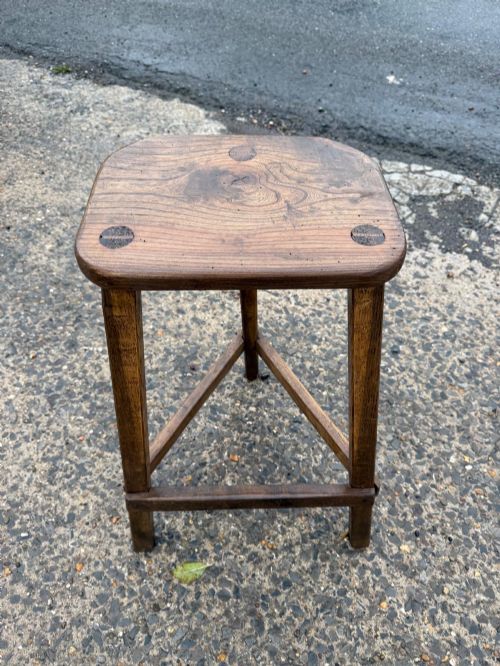
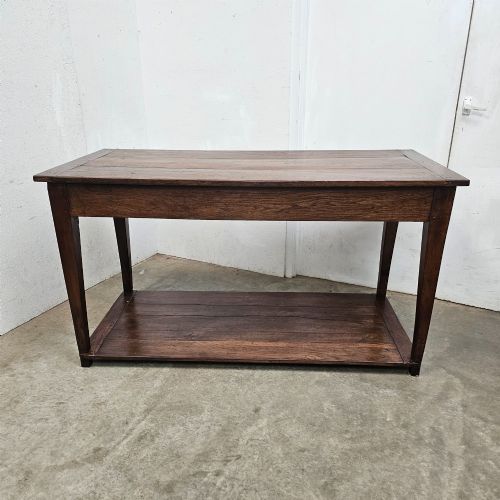
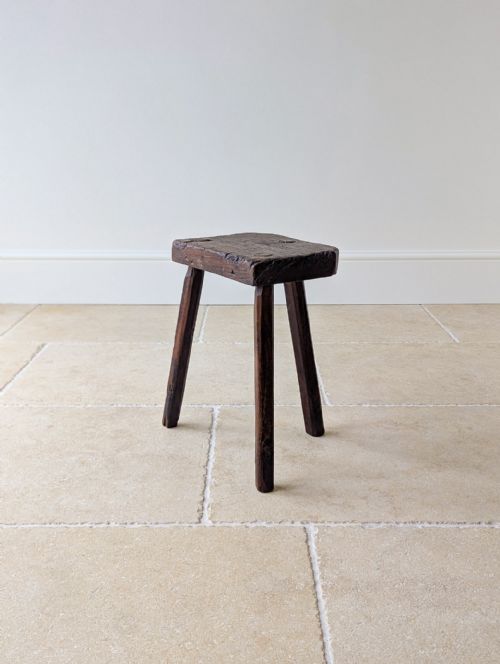
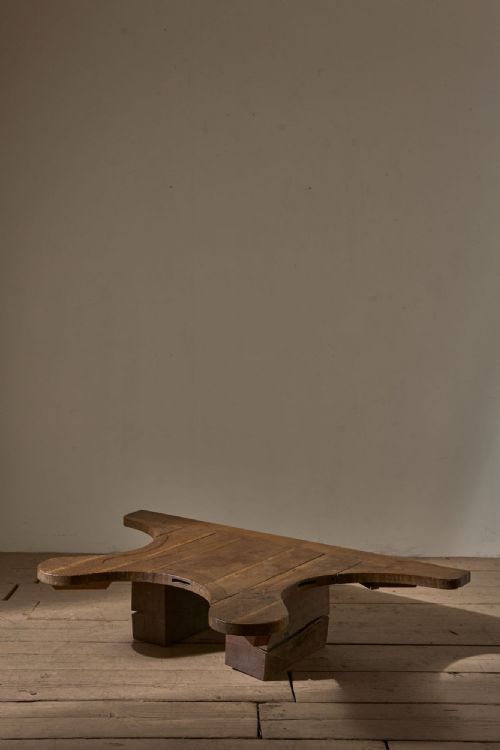


Vintage Oak Workbench
These vintage oak workbenches bring honest utility and rugged character into modern rooms as dining tables or prep surfaces.
Vintage Oak Workbench
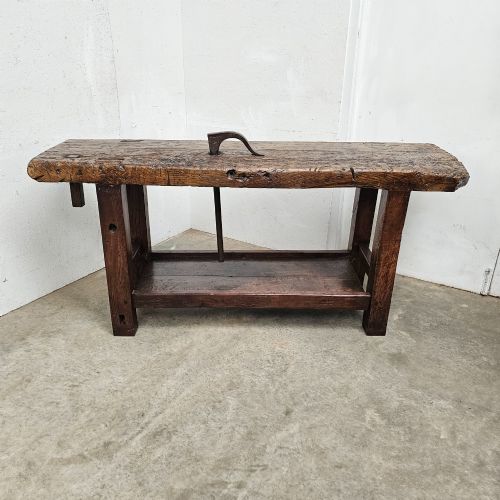
A vintage oak workbench provides a solid foundation built for trade, craft, and heavy domestic use. Buyers encounter pieces originating from nineteenth-century workshops, Edwardian studios, and early twentieth-century industrial spaces.
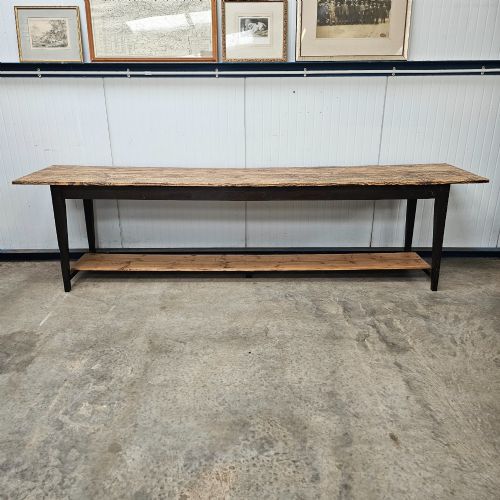
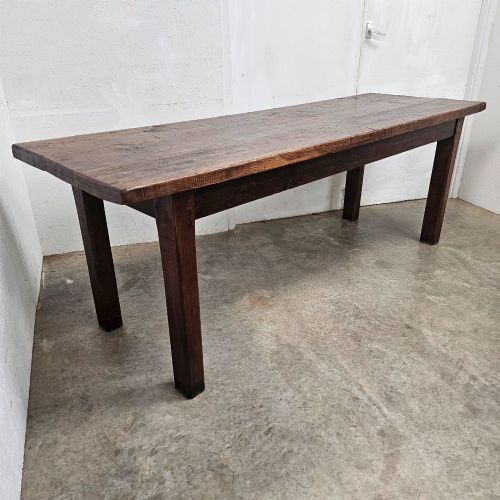
Beyond traditional workbenches, the grouping includes related harvest tables, sorting tables, and artisan tables sharing the same heavy-duty construction. These pieces suit kitchens, dining rooms, and open-plan living spaces seeking substantial character.
Materials and construction
Construction relies upon heavy oak and mixed hardwoods combined with structural iron elements. Timber tops are thick and designed to absorb impact, supported by robust trestle bases or sturdy four-legged frames.
Makers utilised traditional joinery alongside forged iron braces, vises, and metal table bases. Surfaces display the honest wear of daily craftsmanship, including indentations, saw marks, and historical patina.
Current listings feature nineteenth-century and early twentieth-century pieces constructed from oak, pine, elm, sycamore, and forged iron.
Judging quality and integrity
Quality rests upon the structural integrity of the timber frame and the retention of original working mechanisms like wooden vices and clamping bars. Untouched surfaces bearing genuine age-related wear command greater appreciation than heavily restored examples.
Proportion and scale separate standard utility tables from exceptional artisan pieces. Desirable items combine balanced proportions with dense, heavy-gauge timber and authentic regional details.
The Vintage Oak Workbench Glossary
- Clamping bar
- A sliding wooden beam integrated into a workbench top used to secure materials during crafting or carpentry. It operates alongside a bench screw or vice.
- Trestle table
- A table consisting of two or more vertical supports connected by a horizontal beam holding a heavy top. This form provides maximum legroom and stability.
- Patina
- The surface sheen and colour developed through years of handling, polishing, and natural ageing. It serves as a visual record of a piece's history.
- Utilitarian
- Designed primarily for practical use rather than decorative display. Such objects prioritise strength and function above ornament.
- Hardwood
- Timber derived from broad-leaved deciduous trees, offering superior density and durability compared to softwood. Oak, elm, and ash fall into this category.
Vintage Oak Workbench: Frequently Asked Questions
How do I use a workbench as a dining table?
A workbench functions naturally as a dining table thanks to its generous proportions and sturdy construction. Ensure the height accommodates standard chairs, as some workshop benches were built lower or higher for specific crafts.
Knee clearance varies depending on the presence of under-framing, drawers, or heavy vices. Assessing the underside dimensions helps confirm comfortable seating for guests.
Can I protect the original surface?
Preserving the original surface involves applying clear beeswax or breathable oils to nourish dry timber without sealing away historical character. Avoid modern polyurethane varnishes that alter the tactile feel and visual age of the wood.
Routine maintenance requires simply wiping spills promptly with a dry or slightly damp cloth. This approach respects the working history of the piece while preventing further wear.
How do I date an antique workbench?
Dating relies upon examining construction methods, tool marks left on the timber, and hardware such as forged iron bolts. Machine-sawn boards typically indicate later nineteenth or twentieth-century production, while hand-planed surfaces suggest earlier origins.
Style clues also help narrow the period, from Victorian utilitarian designs to French provincial country house pieces. Comparing joinery techniques provides the most reliable guide to age.
Are these tables suitable for everyday kitchen use?
These tables handle daily kitchen activity well because they were originally built for heavy manual tasks. Hardwood tops endure food preparation and regular use when maintained with appropriate protective finishes.
Their robust construction ensures stability during cooking and gathering. The dense timber absorbs minor bumps gracefully as part of its ongoing life.