





Vintage Oak Vessel
These vintage oak vessels bring rugged utility and rich grain into modern rooms through centuries of practical woodworking tradition.
Vintage Oak Vessel
A vintage oak vessel encompasses a diverse range of functional containers from several distinct eras, including Georgian, Victorian, and Edwardian periods. Buyers searching for a vintage oak vessel will discover utility items shaped by domestic and trade requirements rather than pure ornament.
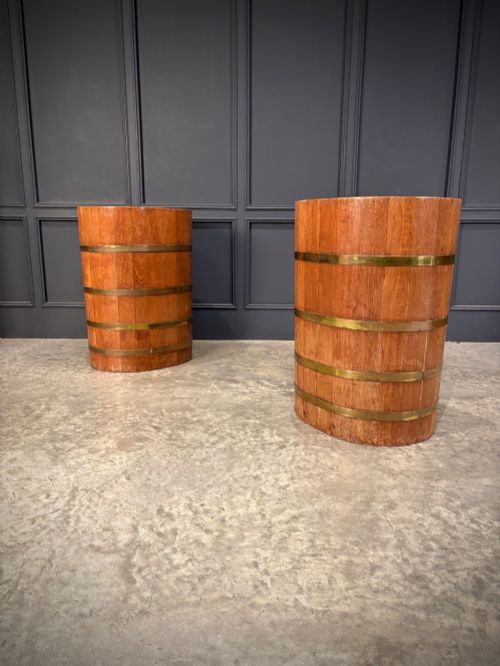
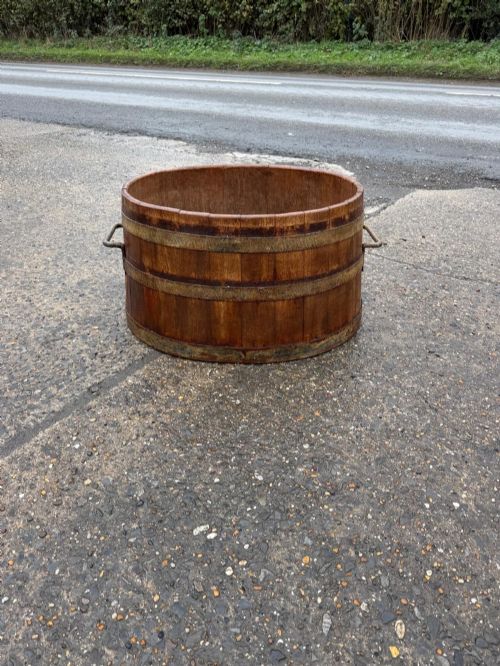
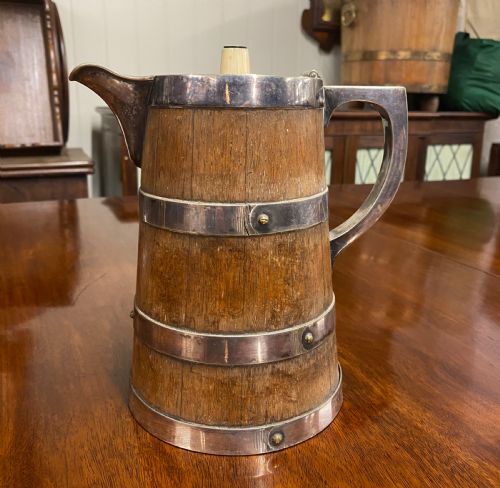
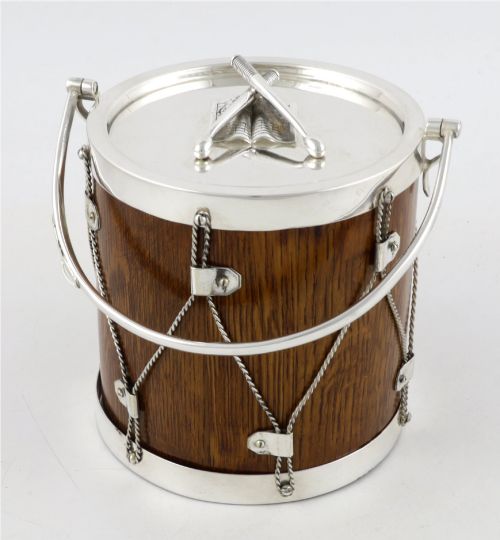
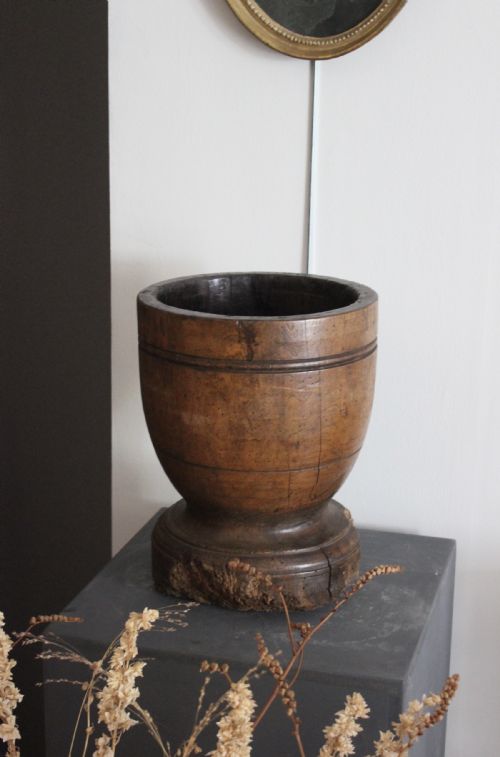
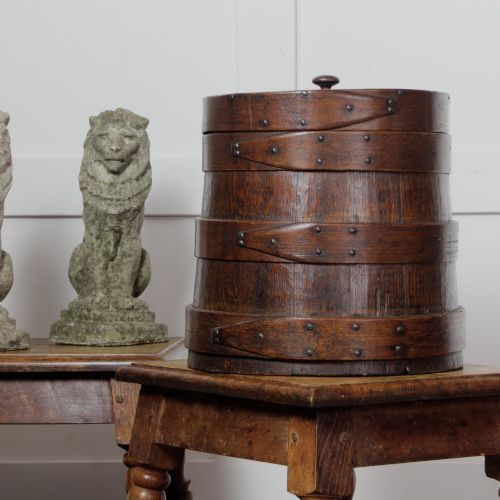
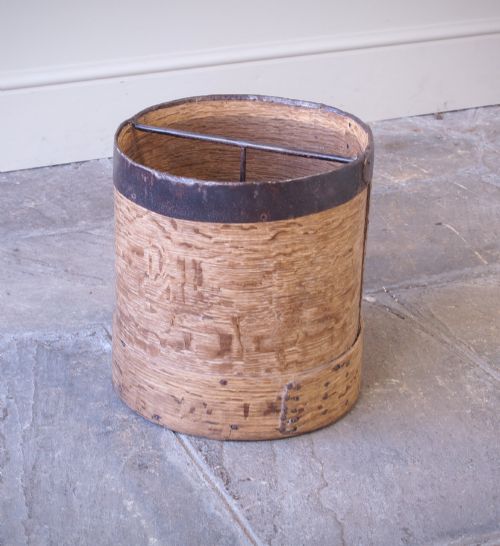
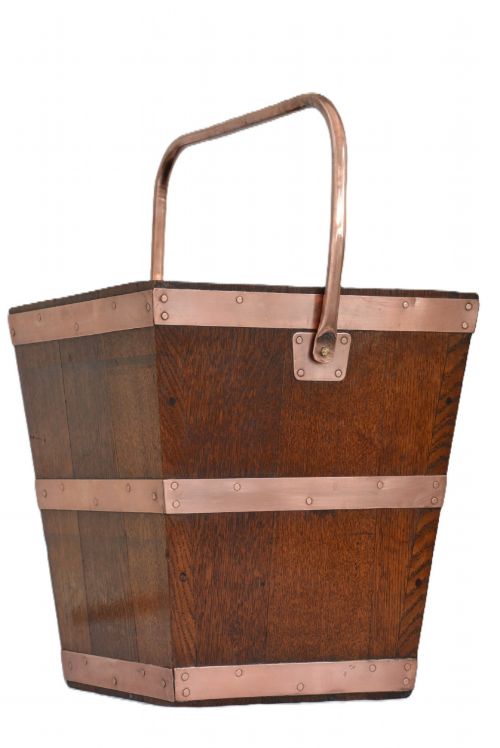
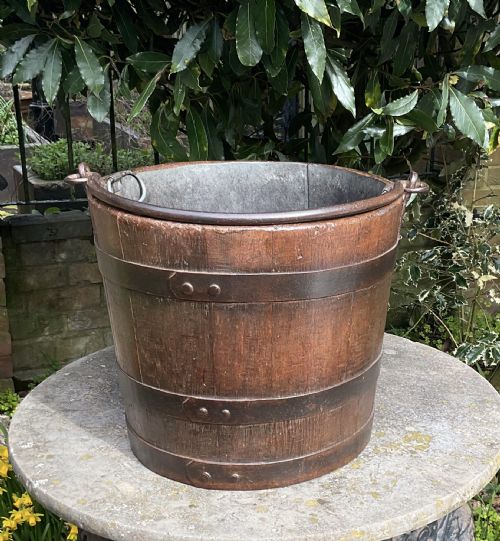
The most common forms appearing here are coopered barrels, buckets, jugs, and storage bins constructed for holding water, coal, peat, flour, or grain. These pieces range from substantial 17th-century wooden mortars to brass-bound ice pails and tall umbrella stands.
Regional variations span English, French, and Scottish vernacular traditions, alongside rustic country styles and folk art interpretations. Each object retains the marks of its original agrarian or household function, translated into decorative hardware for contemporary spaces.
Materials and construction
The primary material is solid timber, specifically oak, selected for durability and distinctive grain patterns, occasionally complemented by general wood and treen. Master craftsmen shaped staves and solid blocks to form rigid walls capable of holding dry goods or liquids.
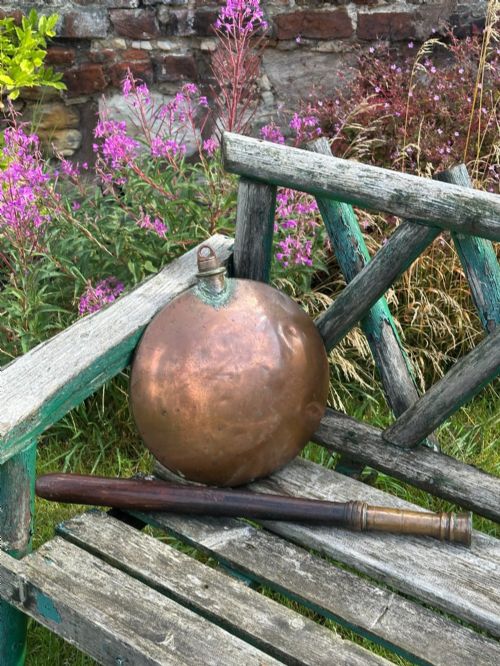
Structural integrity relied heavily on metal reinforcement, incorporating brass, iron, copper, and wrought iron bands or hoops. These metal fittings were hammered or shrunk into place to bind the wooden staves tightly together around the core of the vessel.
Vintage Oak Vessel Retail Price Guide 2026
Typical asking prices for vintage oak vessel among the pieces listed under this phrase on Sellingantiques today, from the lower quarter to the upper quarter. They describe what is for sale here now, not the wider market.
Listings span from the 17th century through the Georgian, Victorian, and Edwardian eras, predominantly fashioned from solid oak with brass or iron hardware.
Assessing quality and character
Quality rests upon the integrity of the original construction, particularly the tightness of the coopered staves and the matching patination of the timber. Pieces that retain their original metal bindings, whether brass or iron, carry greater authenticity.
The skill of the maker shows in the harmonious proportions of the vessel and the careful selection of quarter-sawn oak boards. Fine examples demonstrate crisp turning or precise stave shaping that survives decades of heavy utilitarian service.
The Vintage Oak Vessel Glossary
- Coopered
- Describing cylindrical wooden vessels constructed from curved staves bound together by hoops of metal or wood. This traditional technique ensures the container remains watertight under pressure.
- Treen
- Small handmade wooden domestic objects carved from a single block or turned on a lathe. These items include mortars and small containers intended for everyday kitchen or pantry use.
- Stave
- One of the narrow tapered vertical pieces of wood that form the sides of a barrel, bucket, or jug. Staves are traditionally bevelled to fit tightly against one another.
- Pail
- A cylindrical vessel with a flat bottom and a handle, typically used for carrying liquids or bulk materials. In this collection, pails often feature brass or iron swing handles and reinforcement bands.
Vintage Oak Vessel: Frequently Asked Questions
What were oak vessels originally used for?
These items served demanding domestic and agricultural roles, from holding coal and peat by the fireside to storing flour, grain, and water. Many functioned as daily workhorses in kitchens, cellars, and gardens.
Over time, materials like copper and brass were introduced to reinforce containers meant for holding liquids or ice, ensuring longevity in harsh working environments.
How do I care for an old wooden vessel?
Keep these items away from direct heat sources and sudden temperature shifts to prevent the oak staves from shrinking and splitting. An occasional application of neutral beeswax helps nourish the dry timber and preserve its natural grain.
Avoid submerging coopered items in water, as excessive moisture can loosen the metal hoops and compromise the historic structure of the joints.
How can I tell the age of a wooden barrel?
Dating relies on examining the construction methods, tool marks left on the timber, and the style of the metal bindings. Hand-forged iron bands often point to earlier centuries, while machine-rolled brass or iron indicates later Victorian and Edwardian production.
The type of fasteners, nail heads, and wood patination provide further clues to whether a piece belongs to the Georgian era or the early twentieth century.
Can these containers still hold water?
Most vintage containers have dried out over the decades, causing the wooden staves to contract and lose their watertight seal. While some tight coopered vessels might swell if soaked, they are best treated as decorative objects rather than functional plumbing.
Using internal glass or plastic liners allows you to use antique buckets as plant holders or umbrella stands without risking damage to the antique wood.