



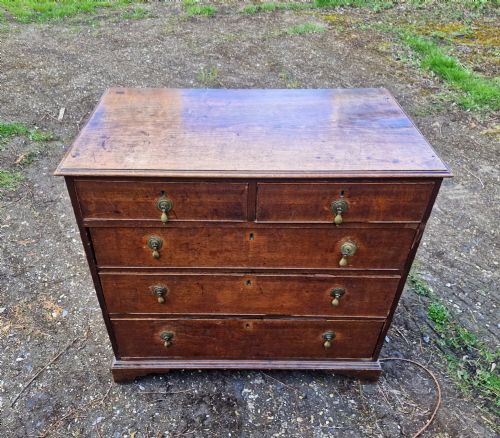
Vintage Oak Storage Bureau
A vintage oak storage bureau offers practical writing space paired with concealed compartments, bringing traditional craftsmanship directly into daily family life.
Vintage Oak Storage Bureau
When buyers search for a vintage oak storage bureau, they encounter forms that combine writing surfaces with deep compartments, though the current selection spans pieces from the 17th century through the Art Deco period and 1930.
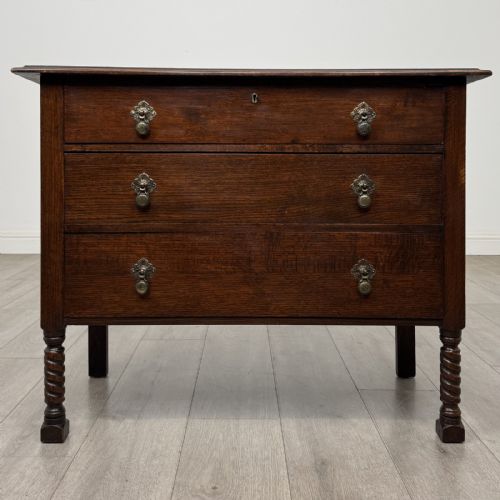
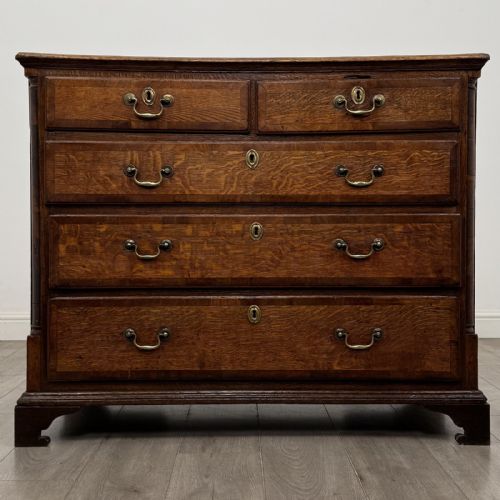
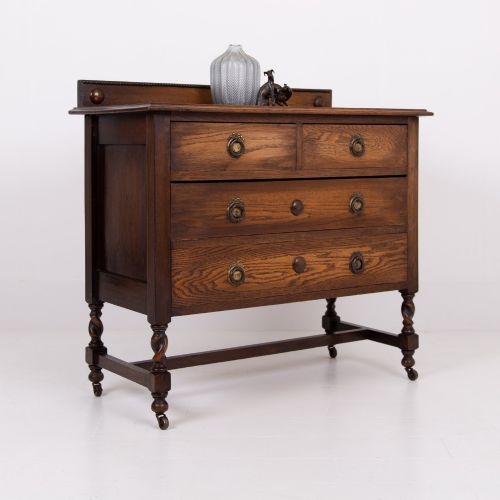
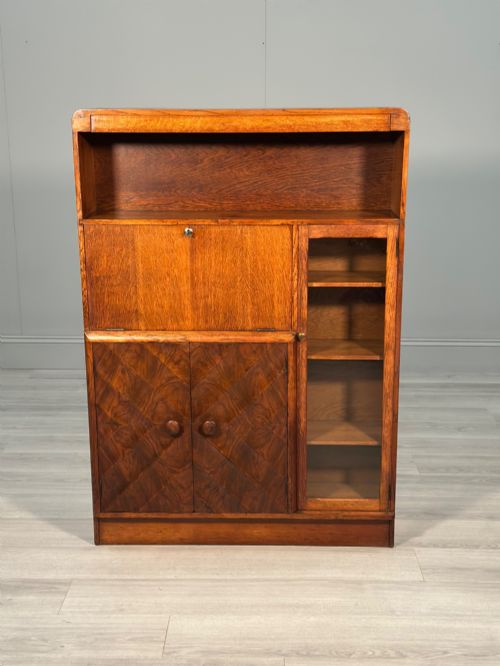
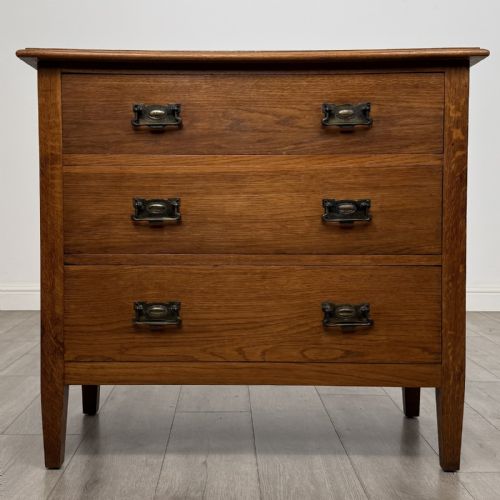
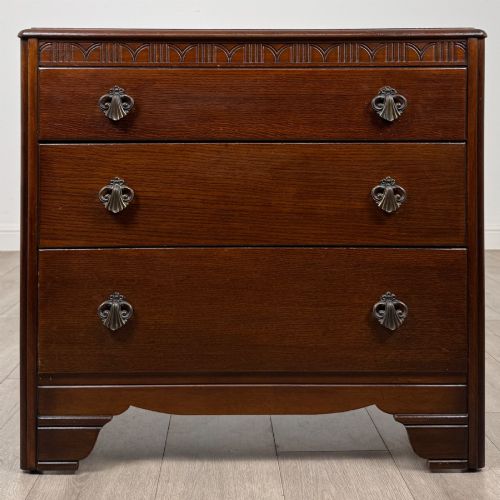
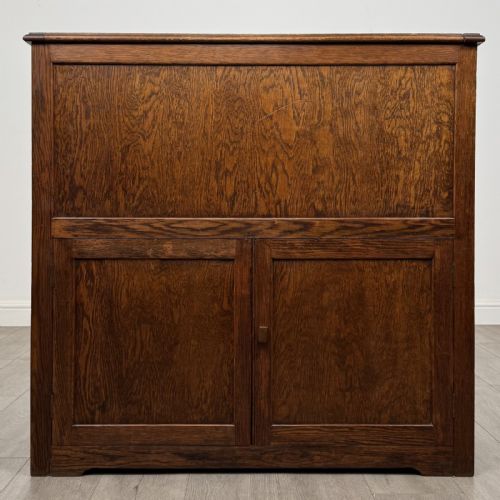
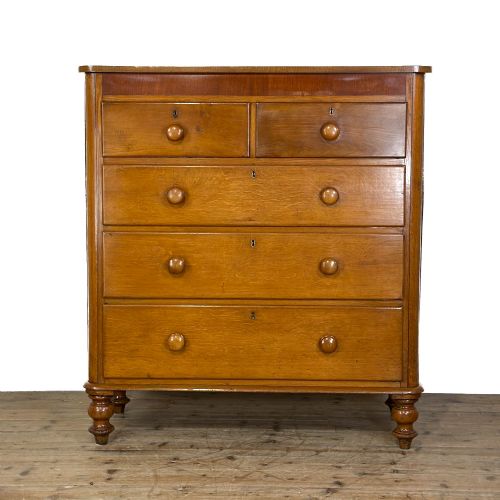
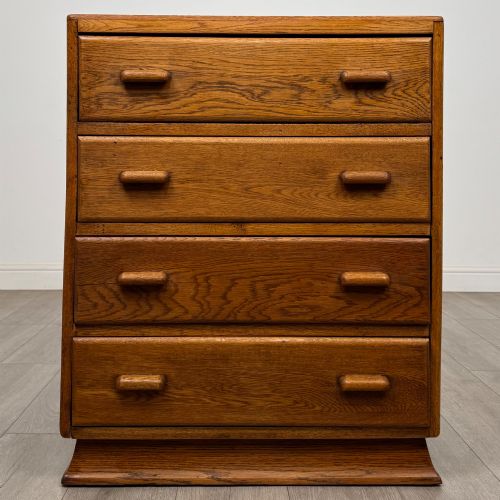
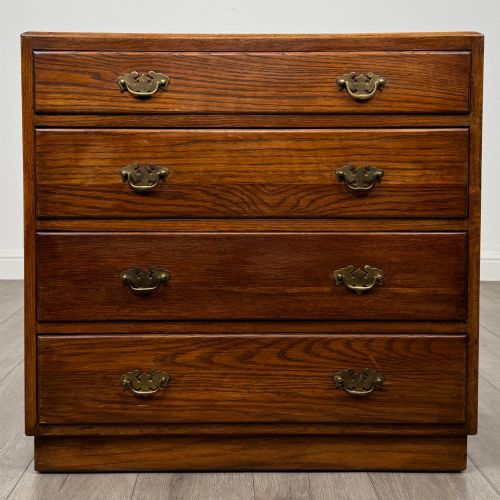
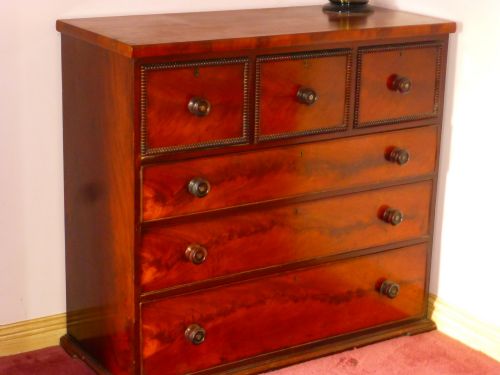
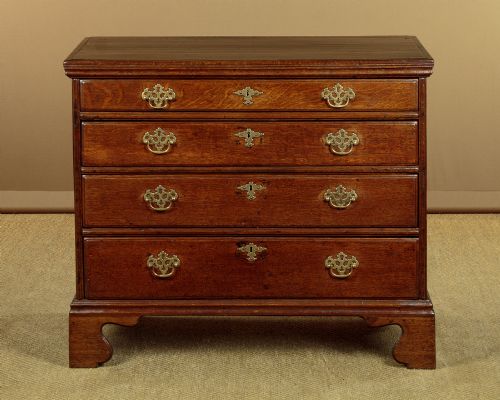
Most items appearing under this heading take the form of chests of drawers, bureau bookcases, fitted cupboards with pigeon holes, and dressing tables.
The materials recorded across these examples range from solid oak and golden oak to mahogany, glass, metal, iron, and wood veneer, styled across Edwardian, Georgian, Victorian, Arts and Crafts, and Jacobean Revival aesthetics.
Variations in Quality
The distinction between tiers rests upon the choice of timber, where selected oak and flame mahogany line interiors such as drawers and pigeon holes with precision.
Hand-carved decorative elements and original handles elevate specific pieces above standard workshop production.
Vintage Oak Storage Bureau Retail Price Guide 2026
Typical asking prices for vintage oak storage bureau among the pieces listed under this phrase on Sellingantiques today, from the lower quarter to the upper quarter. They describe what is for sale here now, not the wider market.
Internal pigeon holes wait inside fitted cupboards to organise forgotten correspondence from a century ago.
E Gomme·Peter Waals
The Vintage Oak Storage Bureau Glossary
- Bureau bookcase
- A combination furniture form featuring a sloping writing flap above or below shelving enclosed by glass doors. This dual-purpose design provides both display space and a compact workspace.
- Raised gallery
- A low decorative railing positioned along the top rear edge of a chest of drawers or surface. It prevents items from sliding off the back.
- Pigeon hole
- A small, open compartment within a desk or bureau interior designed for sorting letters and papers. These compartments are typically arranged in stacked rows.
- Wood veneer
- A thin slice of superior timber applied over a secondary wood base to provide decorative grain patterns. This technique maximises the visual impact of figured woods.
Vintage Oak Storage Bureau: Frequently Asked Questions
What is a bureau bookcase?
A bureau bookcase combines a drop-front writing desk with an upper shelving unit enclosed by glass doors. This multi-level construction allows for both book storage and correspondence.
Such pieces serve well in studies or living rooms where floor space is at a premium.
How do I identify Edwardian oak furniture?
Edwardian oak items often feature lighter golden tones, subtle carved top edges, and raised galleries. They reflect a transition toward cleaner lines while retaining traditional joinery.
These pieces frequently include original brass handles and turned legs typical of the early twentieth century.
Where were pigeon holes used?
Pigeon holes appear inside fitted cupboards and writing furniture to organise letters, documents, and stationery. They form a grid of small compartments accessible behind doors or drop-front desks.
This internal arrangement helps maintain order in daily administrative tasks.
What is a raised gallery?
A raised gallery is a protective wooden rim attached to the top back edge of a chest of drawers. It stops small decorative objects or papers from falling behind the furniture.
This detail adds height and visual finish to the upper surface.