

Vintage Oak Press
A vintage oak press is a sturdy storage cabinet or functional screw mechanism, built to house linens or press books, bringing enduring utility and rich grain to a room.
Vintage Oak Press
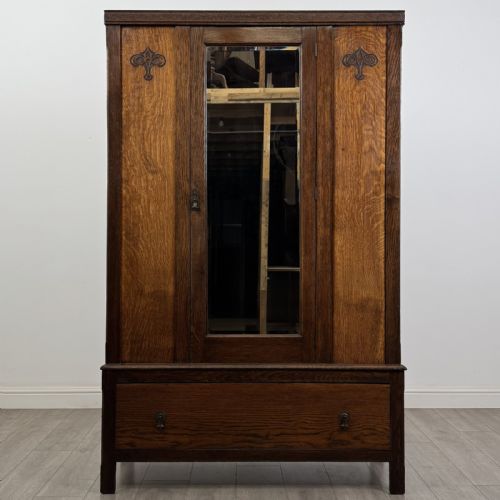
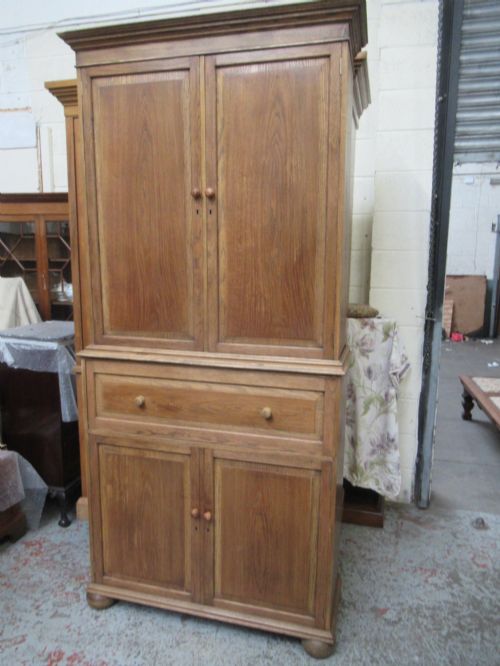
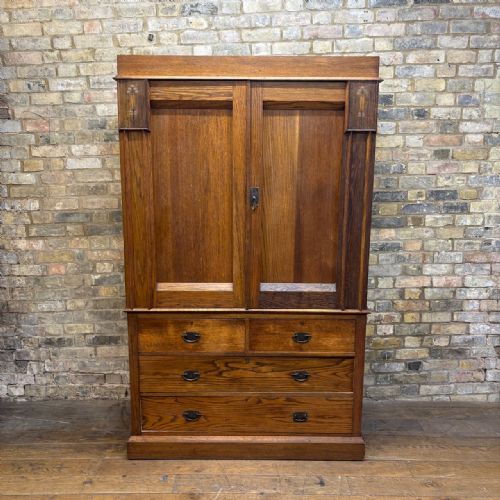
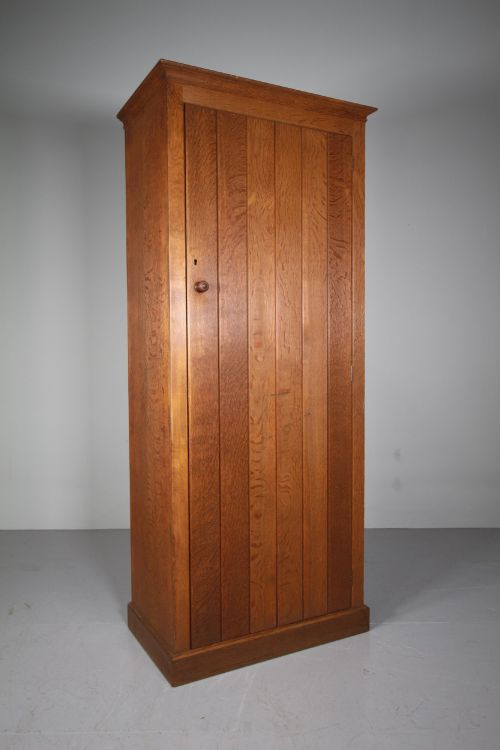
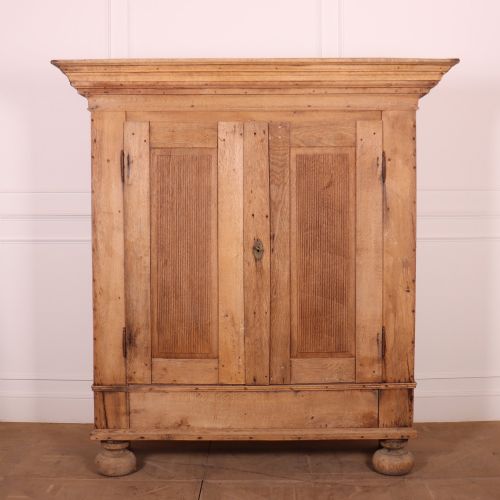
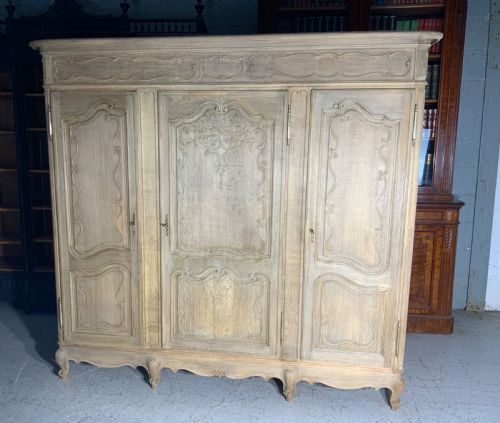
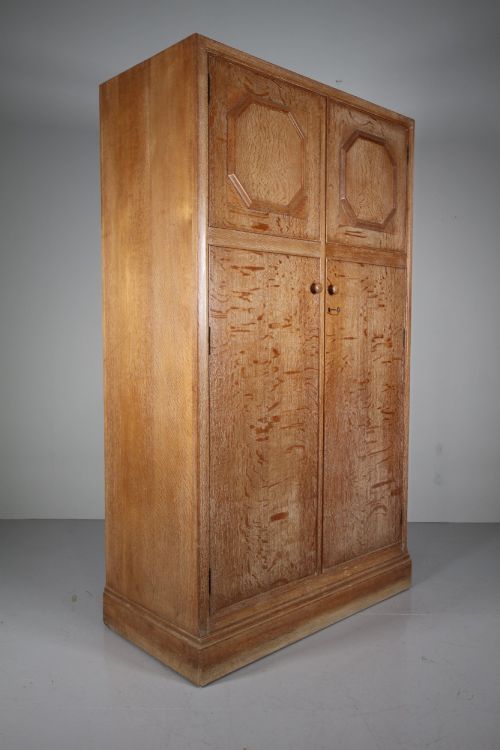
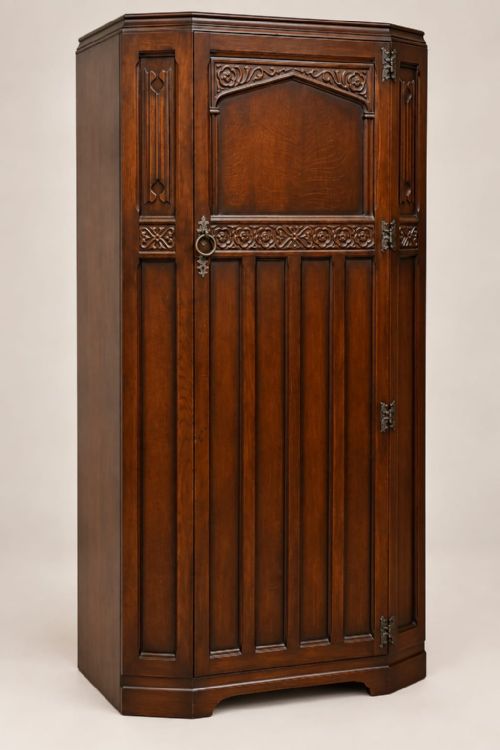
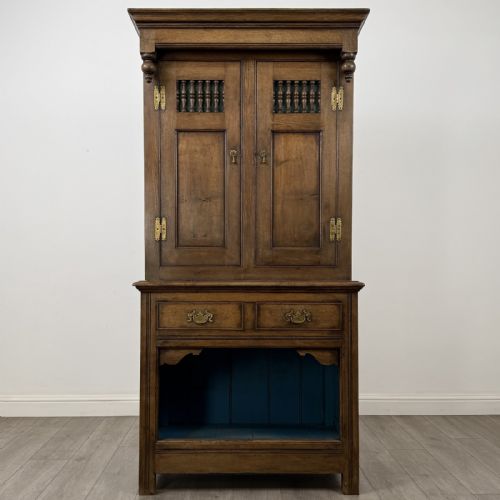
A vintage oak press encompasses a broad family of substantial storage furniture and utilitarian implements, spanning linen presses, wardrobes, court cupboards, book presses, and cheese presses. When searching for a vintage oak press, buyers encounter everything from seventeenth-century carved court cupboards to early twentieth-century wardrobes, compactums, and tallboys.
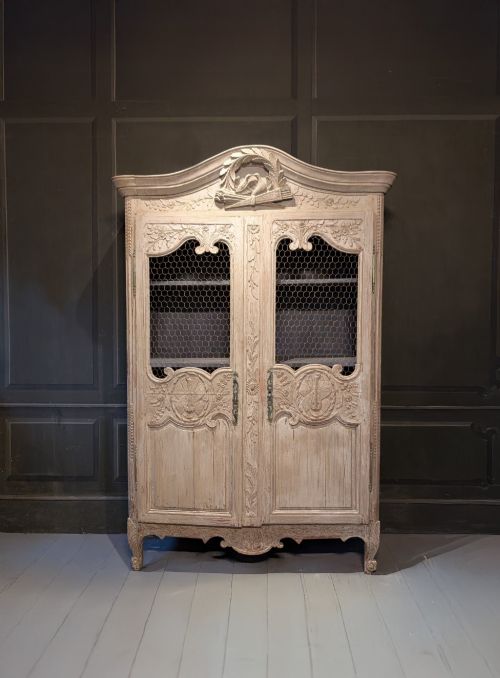
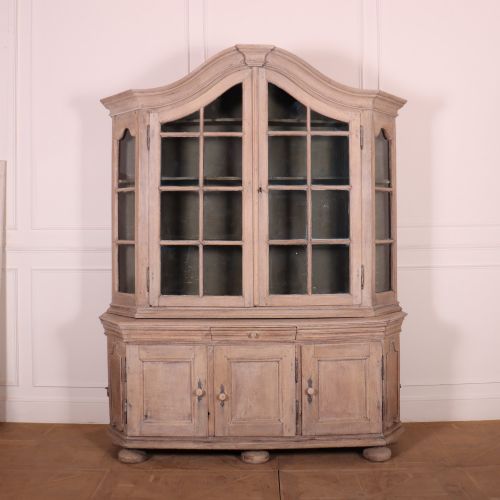
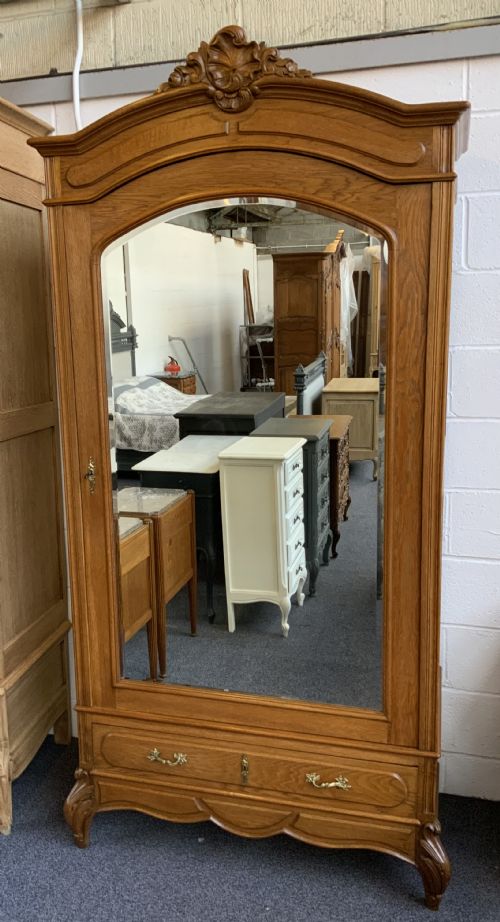
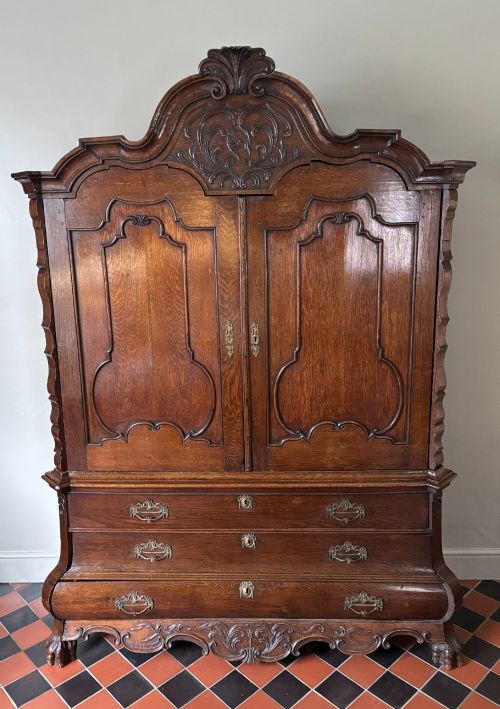
The selections on this page draw heavily from the early twentieth century, the Edwardian era, and the nineteenth century, alongside earlier eighteenth-century and seventeenth-century survivals. Continental pieces like French armoires and Dutch linen press cupboards appear alongside English country furniture, reflecting diverse regional cabinetry traditions.
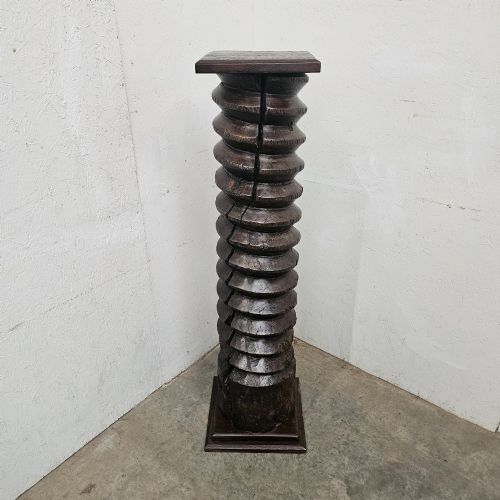
Functional variants range from enclosed panelled cupboards designed for domestic linen storage to heavy iron screw mechanisms mounted in timber for pressing books, wine, or cheese. This diversity means buyers must look closely at internal configurations, whether fitted with hanging space, sliding trays, or simple shelving.
How they were made
Makers relied principally on solid oak and figured oak, often supplemented by secondary pine and structural details in brass, iron, and wrought iron. Glass panels feature in glazed bookcase cupboards and wardrobe doors, while ebonised finishes and scumble faux oak paintwork appear on specific nineteenth-century examples.
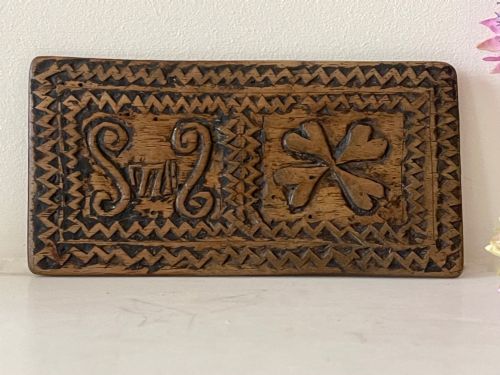
Construction techniques combine traditional frame-and-panel joinery with hand carving, turned pillar panels, and substantial iron screw threads. Cabinetmakers utilised dovetail joints for drawer construction and pegged mortise and tenon joints for heavy carcases, ensuring stability across centuries of domestic use.
Vintage Oak Press Retail Price Guide 2026
Typical asking prices for vintage oak press among the pieces listed under this phrase on Sellingantiques today, from the lower quarter to the upper quarter. They describe what is for sale here now, not the wider market.
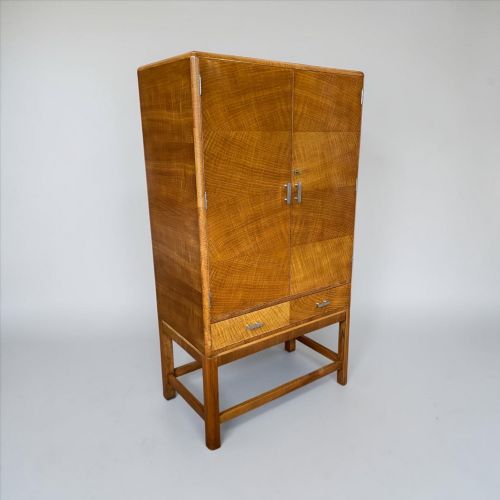
Listings span from seventeenth-century carved court cupboards to 1930s Art Deco cabinets, showcasing oak, pine, brass, and glass.
What varies in quality
Quality rests in the selection of timber, particularly the depth of figured oak grain, and the crispness of hand-carved detailing on panels and cornices. Superior pieces display thoughtful proportions and integrated hardware, such as original brass handles, hinges, and working locks.
Construction integrity separates standard utility furniture from finer workshops, visible in the tightness of joints and the retention of original backboards and internal sliding linen trays. Surface patination, whether a naturally waxed finish or a well-preserved period painted surface, dictates the visual impact of the piece.
Heal's·Heals Of London·Crown Furniture·Harris Lebus
The Vintage Oak Press Glossary
- Linen Press
- A tall piece of furniture designed to store sheets and table linen, typically featuring sliding trays in the upper section and drawers below. These were essential for keeping household textiles flat and organised before modern wardrobes became standard.
- Court Cupboard
- A traditional English enclosed cupboard with tiers, often heavily carved, used historically for displaying plate and storing food or valuables. They date from the seventeenth century and earlier, prized for their sturdy frame-and-panel construction.
- Compactum
- A multi-functional wardrobe designed to maximise storage by combining hanging space, drawers, shelves, and shoe racks within a single compact carcase. Popularised around the turn of the twentieth century by large manufacturing firms.
- Scumble
- A decorative painting technique involving a translucent top layer manipulated over a base coat to imitate the rich grain of oak or other desirable hardwoods. It was frequently employed on nineteenth-century pine furniture to elevate its appearance.
- Figured Oak
- Oak timber exhibiting distinctive natural growth markings, such as medullary rays or ripple figures, highly sought after by cabinetmakers for decorative door panels and drawer fronts.
Vintage Oak Press: Frequently Asked Questions
What is the difference between a linen press and a wardrobe?
A linen press traditionally combines internal sliding trays or shelves in the upper section with chest drawers below, specifically designed for folded textiles.
A wardrobe provides vertical hanging space for garments on hangers, though transitional compactum models often integrate both storage formats into one carcase.
How do I date an oak press?
Dating relies on examining construction methods, timber preparation, and decorative styles, such as hand-carved strapwork on seventeenth-century pieces versus machine-cut dovetails on Edwardian examples.
Hardware types, panel thickness, and maker stamps or internal labels also provide reliable chronological markers.
Can I remove the top section of a tall press?
Many larger press cupboards, armoires, and linen presses are constructed in separate upper and lower sections to facilitate transport and installation in rooms with standard ceilings.
Checking the joint where the cornice or middle moulding meets helps determine if the carcase splits into manageable parts.
How should I maintain a vintage oak surface?
Maintaining vintage oak involves applying natural beeswax periodically to nourish the timber and preserve its rich patination against dry indoor atmospheres.
Avoiding direct sunlight and excessive heat sources prevents the wood from warping or splitting over time.