


Vintage Oak Paper Rack
These vintage oak paper rack pieces are desk tidies, magazine stands, and shop dispensers built to hold correspondence and print in working rooms.
Vintage Oak Paper Rack
A vintage oak paper rack groups together desktop accessories, countertop dispensers, and standing holders designed for paperwork, letters, and periodicals. Buyers searching for a vintage oak paper rack encounter desk boxes, newspaper stands, and shop fittings spanning from the Georgian period through the Edwardian era and into the nineteen thirties.
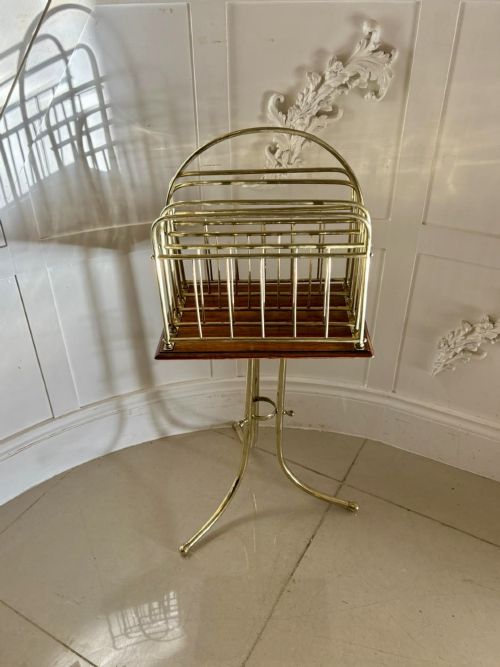
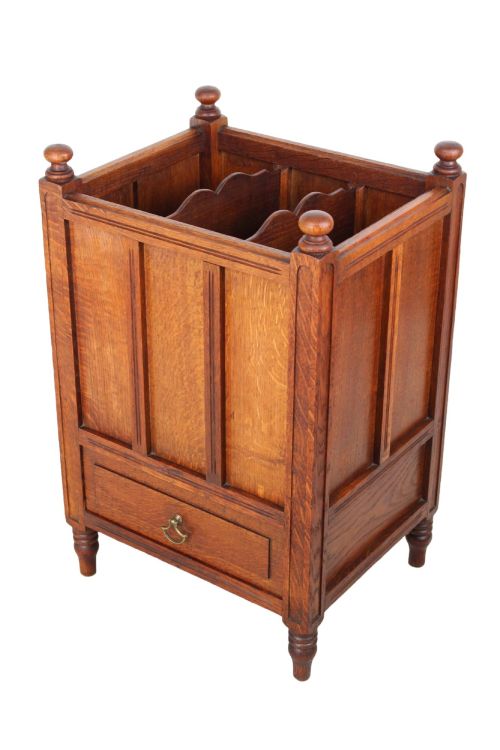
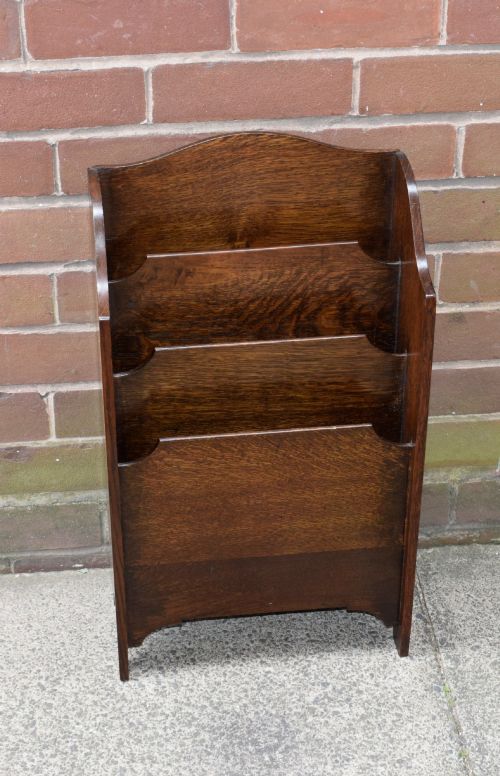
The selections on this page lean heavily towards Edwardian examples alongside pieces from the nineteen twenties and nineteen thirties. Forms vary from standing chairside newspaper racks and floor-standing magazine holders to countertop paper roll dispensers and compartmentalised stationery boxes fitted with secret drawers.
Construction styles shift across these decades to reflect changing domestic and commercial needs. One finds the linear simplicity of the Arts and Crafts movement sitting alongside utilitarian industrial shop fittings and more formal period boxes intended for writing desks.
Materials and construction methods
Solid timber forms the primary structure of every piece, utilising oak as the foundational material supplemented occasionally by pine internal elements or satinwood accents. The joinery relies on period cabinet-making techniques suited to daily handling in offices and drawing rooms.
Metal hardware plays a functional role in many designs, incorporating brass for handles, hinges, and label frames alongside cast iron and steel in industrial dispensers. Glass occasionally appears in specific fittings, adding contrast to the heavy timber frames.
One exceptional desk box hides a secret drawer beneath its stationery compartments, built for keeping private correspondence away from prying eyes.
Assessing build and finish
The distinction between standard utility items and finer pieces lies in the crispness of the timber grain, the integration of auxiliary materials like brass fittings, and the complexity of internal storage arrangements. Superior examples feature thoughtful touches such as concealed compartments or harmonious secondary woods.
Condition and original integrity dictate the standing of individual specimens. Pieces retaining their uncompromised structural rigidity and original metal elements without later replacement parts command greater appreciation among collectors of desk accessories.
The Vintage Oak Paper Rack Glossary
- Canterbury
- A low stand fitted with divisions for holding sheet music, newspapers, or periodicals. Originating in the late eighteenth century, this form persisted into the Edwardian period in oak.
- Stationery box
- A desk accessory featuring internal slots and partitions designed to organise writing paper, envelopes, and cards. Finer variants include lockable lids and secret drawers.
- Arts and Crafts
- A design movement valuing handcraftsmanship, simple forms, and honest construction. Pieces in this style emphasise the natural grain of the oak.
- Desk tidy
- A compartmentalised desktop container used for gathering loose correspondence, pens, and small office ephemera. These items kept working surfaces orderly in period studies.
Vintage Oak Paper Rack: Frequently Asked Questions
Where were these racks placed?
These pieces sat upon writing desks, countertops, or directly on the floor beside armchairs in studies, parlours, and shops.
Desktop boxes and dispensers organised writing materials at hand, while standing racks kept daily newspapers and periodicals within easy reach of a seat.
How do I date an oak rack?
Dating relies on observing the stylistic markers, hardware, and construction methods characteristic of periods like the Edwardian era or the nineteen twenties.
Arts and Crafts influences point towards the early twentieth century, whereas Georgian or Victorian designations denote heavier, more formal cabinet-making traditions.
Can these hold modern paper sizes?
Most historical slots and compartments accommodate standard modern letters, notebooks, and magazines without difficulty.
Countertop roll dispensers and larger floor stands easily handle contemporary print formats alongside vintage ephemera.