



1930s Oak Bookshelf
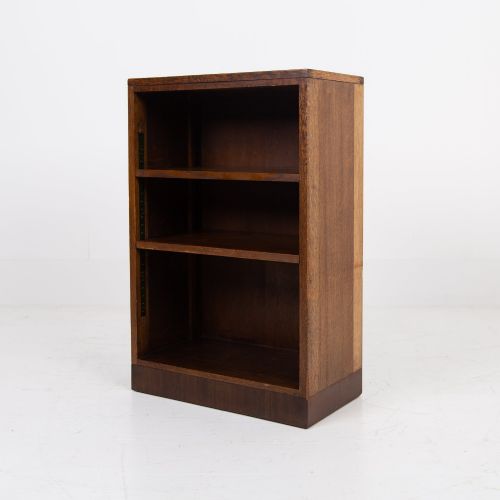
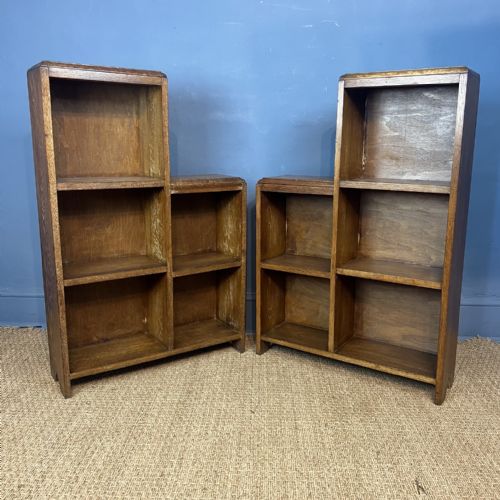
A 1930s oak bookshelf brings solid utility and sharp geometric lines into a room, offering sturdy storage with undeniable period character.
1930s Oak Bookshelf
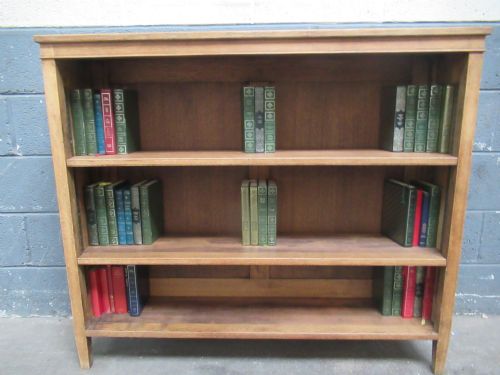
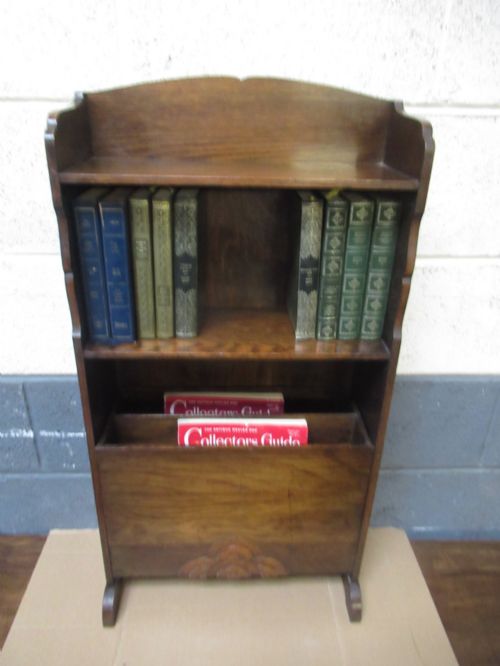
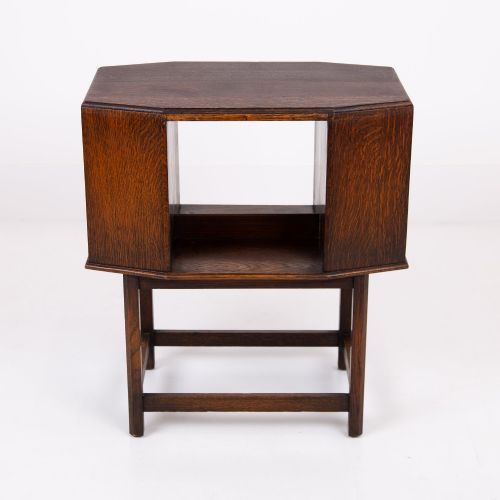
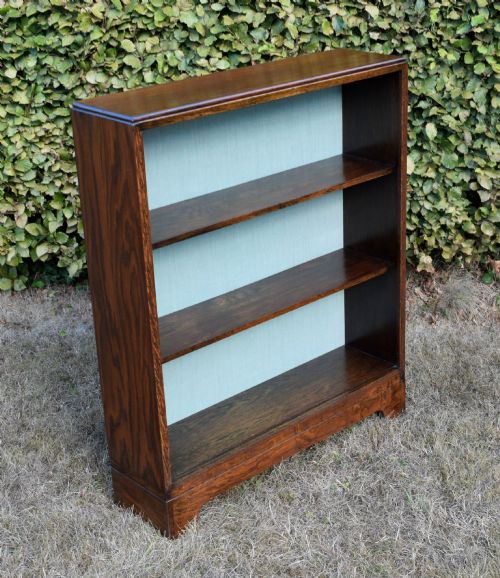
A 1930s oak bookshelf covers a range of compact domestic storage pieces, most frequently appearing as open bookcases, side tables with integrated book storage, and low book troughs. These items reflect the domestic architecture of the period, designed to house modest libraries in urban flats or suburban homes.
The dominant styles recorded in the listings are Art Deco and Tudor Revival, showing a split between modern geometric forms and nostalgic historicism. Buyers will regularly encounter low open shelf units alongside hybrid furniture pieces that combine table surfaces with book compartments.
Origins point firmly to English production, with several pieces specifically referencing the designs associated with Heal's or individual makers like Betty Joel. This selection provides both functional shelving for everyday reading and distinct decorative statements for period interiors.
How they were made
Construction relies heavily on solid timber and veneered surfaces, with oak forming the primary material base alongside supporting touches of walnut, birch, and sycamore. Joinery techniques of the decade balanced traditional cabinet-making methods with the cleaner lines demanded by modernist aesthetics.
Surface treatments and applied details define the aesthetic outcome, incorporating distinct front mouldings, limed finishes, and occasional contrasting inserts of leather or fabric. These finishing choices separate the restrained Modernist pieces from the heavier Tudor Revival interpretations.
1930s Oak Bookshelf Retail Price Guide 2026
Typical asking prices for 1930s oak bookshelf among the pieces listed under this phrase on Sellingantiques today, from the lower quarter to the upper quarter. They describe what is for sale here now, not the wider market.
One piece playfully introduces horses into its title, proving that even utilitarian book storage could not escape the whimsy of the era.
What varies in quality
Quality diverges notably between mass-market utility furniture and pieces produced by progressive design houses or named makers. Construction depth, timber selection, and the crispness of architectural mouldings or carved details dictate the standing of each piece within the range.
Design ambition also separates standard commercial items from superior examples, particularly where modernist proportions or considered proportions in the manner of Heal's elevate the simple utility of a bookshelf into a refined decorative object.
Heals·Betty Joel
The 1930s Oak Bookshelf Glossary
- Art Deco
- A design style spanning the interwar years characterised by streamlined geometric shapes, stylized motifs, and a departure from traditional historic ornament. It shapes much of the furniture output from this decade.
- Tudor Revival
- An architectural and decorative style that looks back to sixteenth-century English forms, utilising dark oak, heavy panels, and traditional joinery techniques in twentieth-century commissions.
- Limed oak
- A wood finishing technique that leaves a white or pale pigment in the open grain of oak, creating a light, frosted appearance popular in interwar modern design.
- Book trough
- A low, open receptacle designed to hold books upright in a V-shaped trough, often integrated into side tables or small freestanding stands for easy access.
- Veneer
- A thin layer of superior wood glued to a core structure, allowing makers to utilise attractive grain patterns across flat panels while maintaining structural stability.
1930s Oak Bookshelf: Frequently Asked Questions
How do I spot Art Deco style?
Art Deco pieces rely on clean geometric lines, stepped mouldings, and symmetrical arrangements rather than heavy historic carving.
Look for streamlined silhouettes and modernist proportions that reject Victorian clutter in favour of functional elegance.
What is limed oak finish?
Limed oak involves rubbing a white or pale pigment into the open pores of the timber to create a distinct light finish.
This technique was favoured by progressive designers in the interwar period to brighten traditional wood furniture.
Are these shelves good for modern books?
Interwar shelving is generally shallower than modern bookcases, reflecting the smaller format of books common in the early twentieth century.
Buyers should check depth dimensions carefully if planning to house large modern art volumes or heavy hardbacks.
How do I distinguish Tudor Revival from Deco?
Tudor Revival pieces use heavy dark timber, linenfold panels, and sixteenth-century motifs to create an atmosphere of historic domesticity.
In contrast, Deco designs embrace light oak, geometric mouldings, and a forward-looking modernist aesthetic.