

Small Oak Bookcase Stand
A small oak bookcase stand brings timber warmth and practical shelving into compact spaces.
Small Oak Bookcase Stand
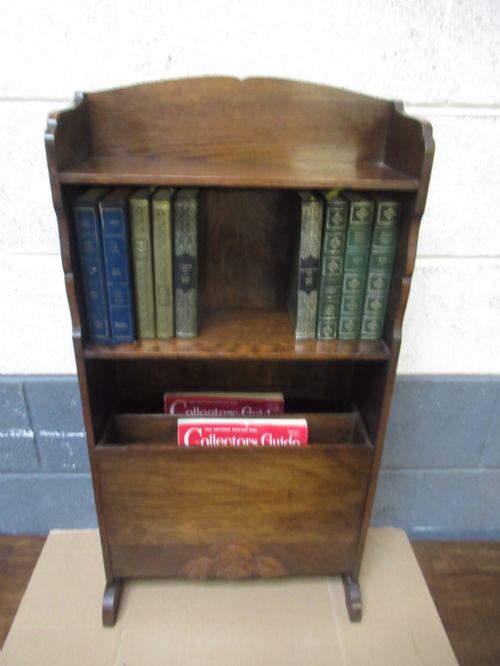
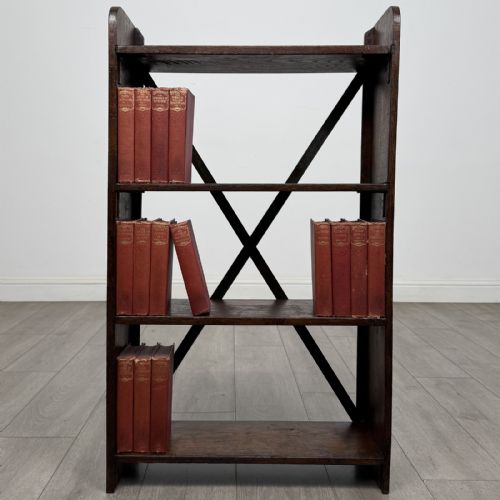
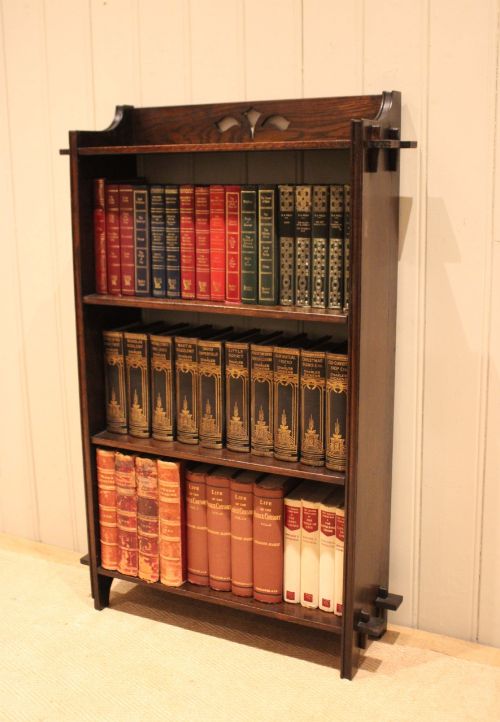
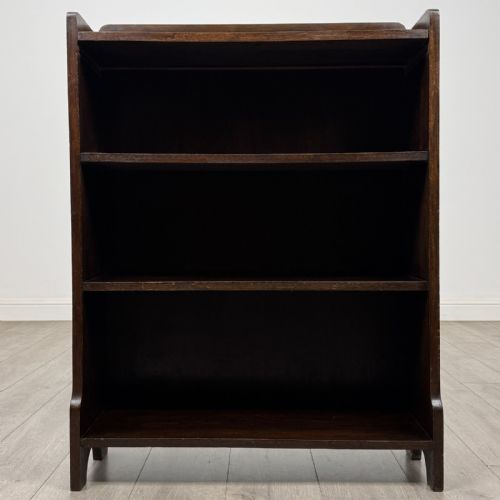
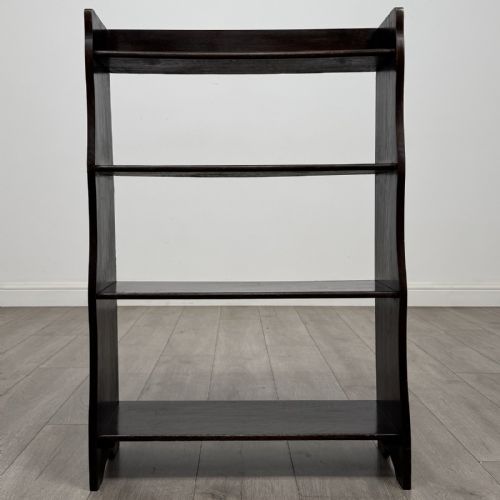
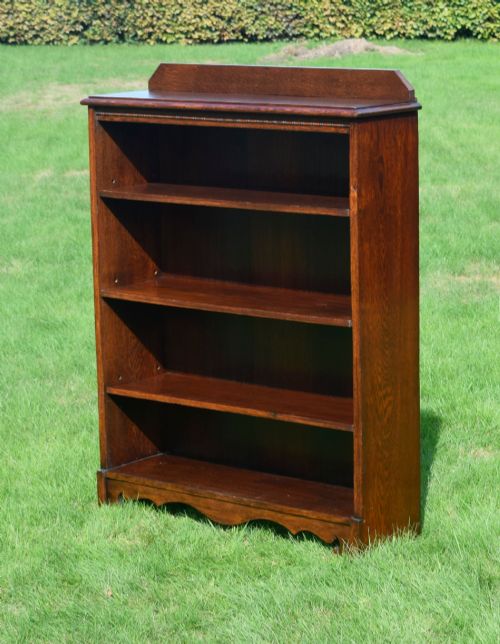
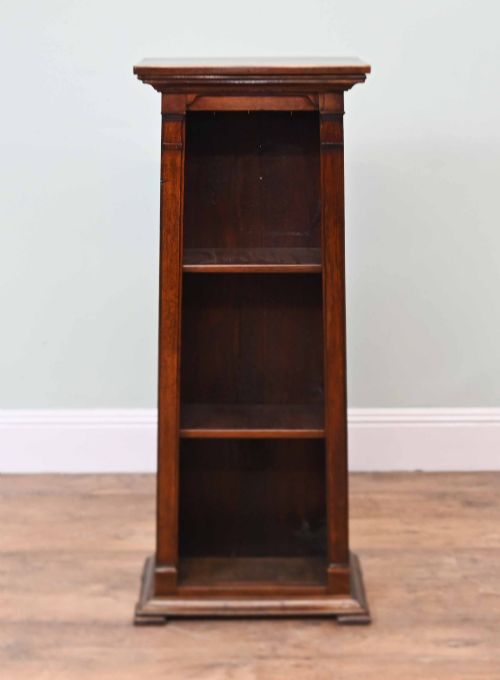
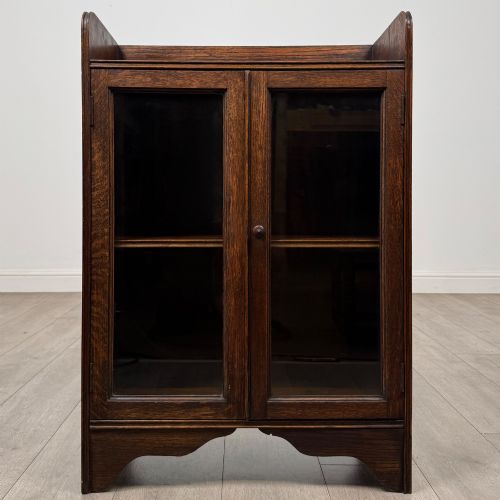
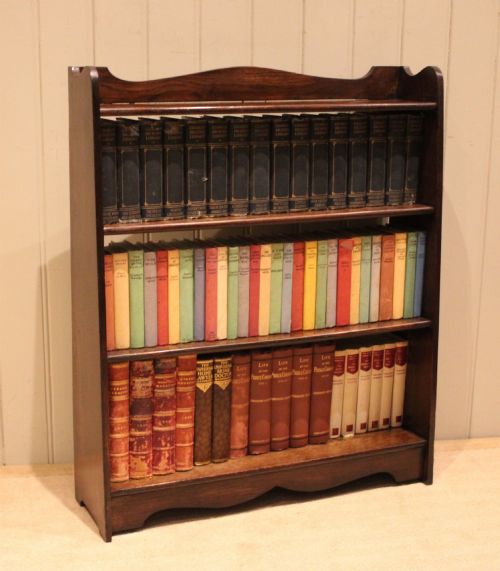
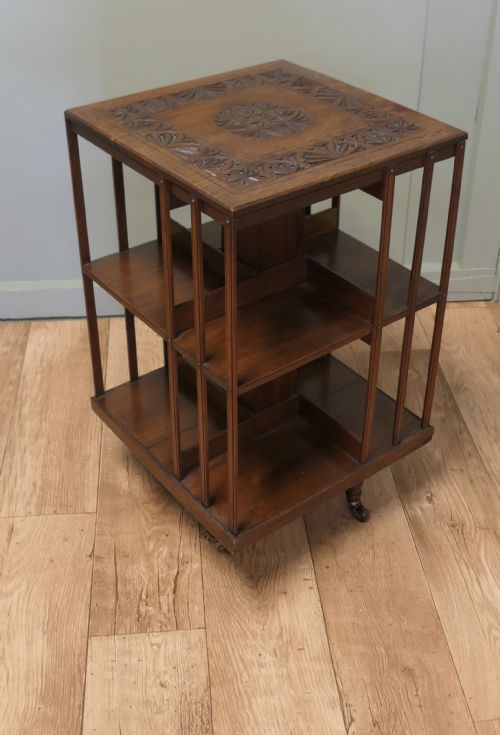
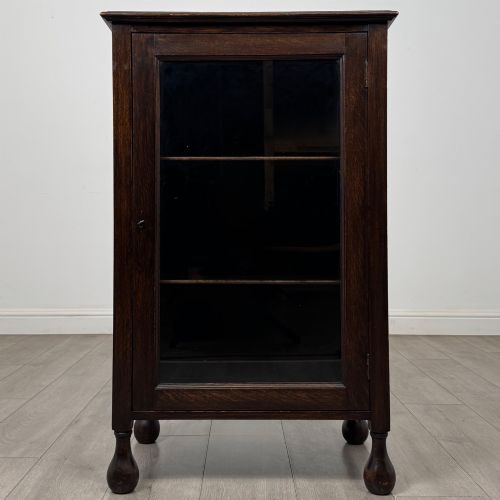
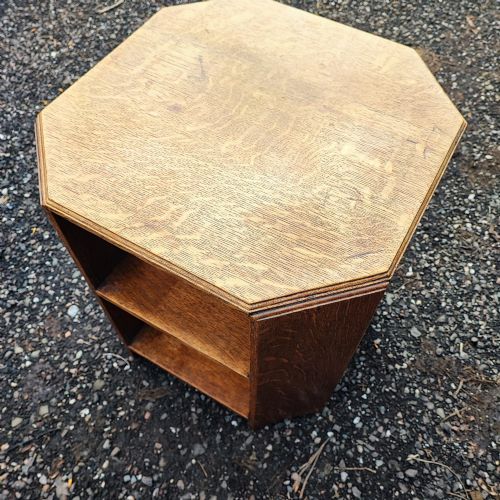
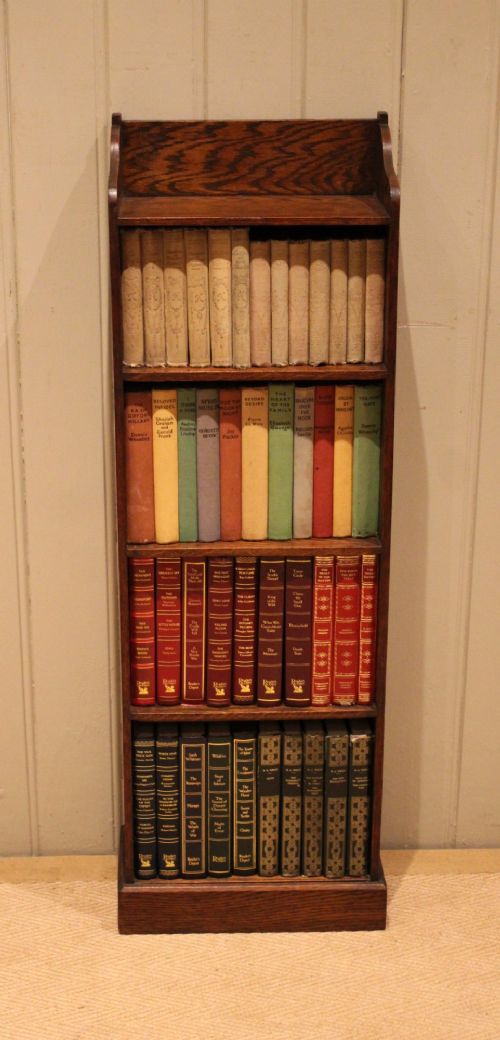
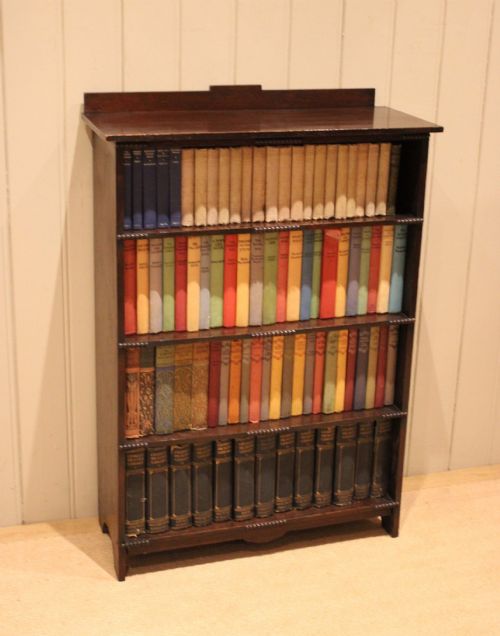
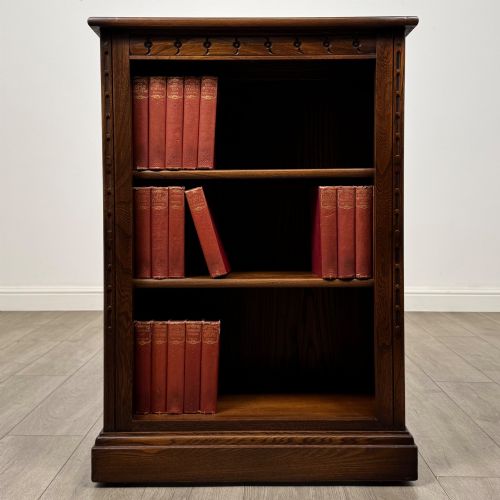
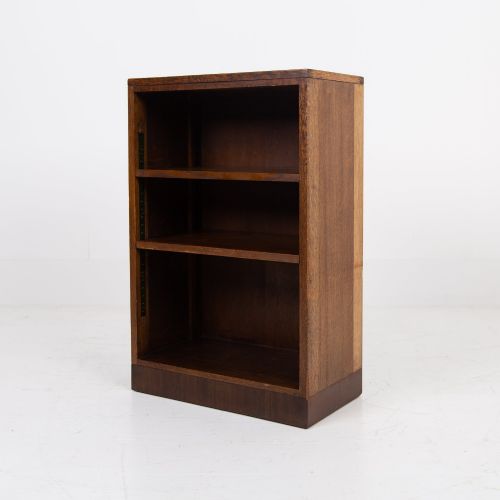
A small oak bookcase stand provides compact shelving for volumes while taking up minimal floor or table space. These pieces serve as open shelves, revolving book tables, glazed cabinets, or slope-shelf stands designed to hold working libraries.
Most examples found on this page date from the Edwardian era and the 1920s, reflecting a strong period interest in domestic organisation and craft revival woodwork. Makers built these items in straightforward open formats as well as more decorative glazed cupboard styles.
Origins stretch from English workshops to Irish craft studios and French regional designs, utilising sturdy timber frames suited to daily use. Buyers encounter everything from floor-standing bookcases to revolving desktop models meant for easy volume selection.
What varies in quality
The distinction between ordinary utility items and finer workshop pieces lies in the selection of timber and the precision of the joinery. Superior examples display carefully matched grain patterns, crisply carved details, and integrated hardware such as original brass fittings or leather top inserts.
Proportion and structural integrity dictate the standing of a piece, with smaller proportions and revolving mechanisms requiring exact balancing. Simpler production items from the later decades prioritize basic functionality over decorative refinement.
Small Oak Bookcase Stand Retail Price Guide 2026
Typical asking prices for small oak bookcase stand among the pieces listed under this phrase on Sellingantiques today, from the lower quarter to the upper quarter. They describe what is for sale here now, not the wider market.
Materials recorded across the inventory include oak, glass, brass, leather, and sycamore.
Betty Joel·Heals
The Small Oak Bookcase Stand Glossary
- Oak
- A hard, durable timber native to temperate regions, prized for its prominent grain and strength in furniture construction. It forms the primary structural material for nearly all pieces found in this category.
- Revolving bookcase
- A small stand mounted on a concealed rotating mechanism designed to sit on a floor or tabletop for easy book access. These models appeared frequently during the Edwardian period.
- Arts and Crafts
- A design movement spanning the late nineteenth and early twentieth centuries that emphasised handcraftsmanship, simple construction, and honest materials. Pieces from this style often feature exposed joinery and subtle carved motifs.
- Glazed cabinet
- A storage unit enclosed by glass panelling that protects books or display items from dust while maintaining visibility. Such cupboards often incorporate lower shelving or small wooden galleries.
- Waterfall bookcase
- A set of open shelves stepped back progressively from bottom to top in a cascading profile. This form maximises floor stability while keeping titles clearly visible.
Small Oak Bookcase Stand: Frequently Asked Questions
What is a revolving book table?
A revolving book table is a compact stand built with a rotating mechanism that allows users to access volumes from any seated angle.
These models usually sit upon desks or directly on the floor to hold frequently referenced books within arm reach.
How do I style a small oak bookcase?
Pair the warm timber tones with natural materials, leather desk accessories, or simple ceramic pieces on top galleries.
Keep shelf arrangements balanced by mixing vertical volumes with horizontal stacks or small display objects.
Are these stands suitable for small rooms?
These pieces were specifically proportioned for compact domestic spaces, offering vertical storage without crowding a floor plan.
Many examples function equally well as side tables, desk companions, or corner display units.
How do I tell Edwardian oak from later pieces?
Edwardian items often display Arts and Crafts influences, including lighter golden oak finishes, subtle hand carving, or pegged joinery.
Later pieces from the 1920s and 1930s tend toward simpler geometric lines or darker polished surfaces.