

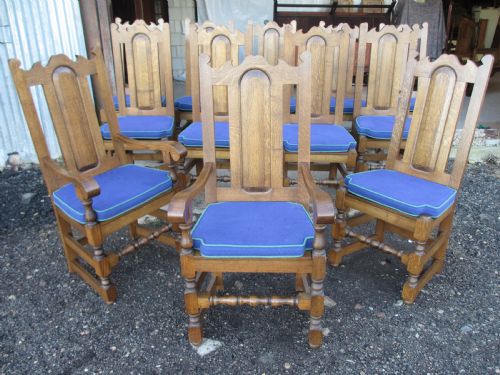
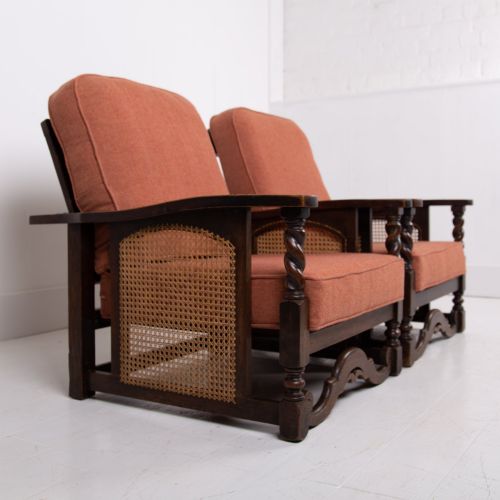
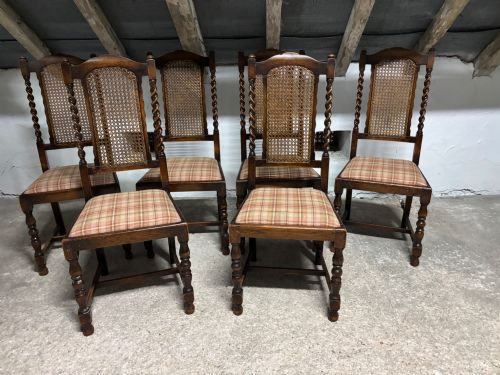

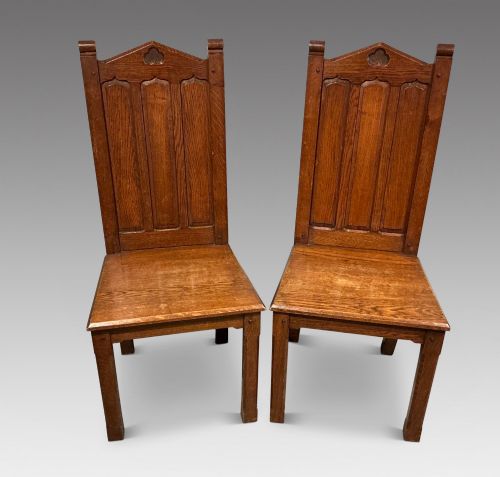


Vintage Oak Panel Seat Chairs
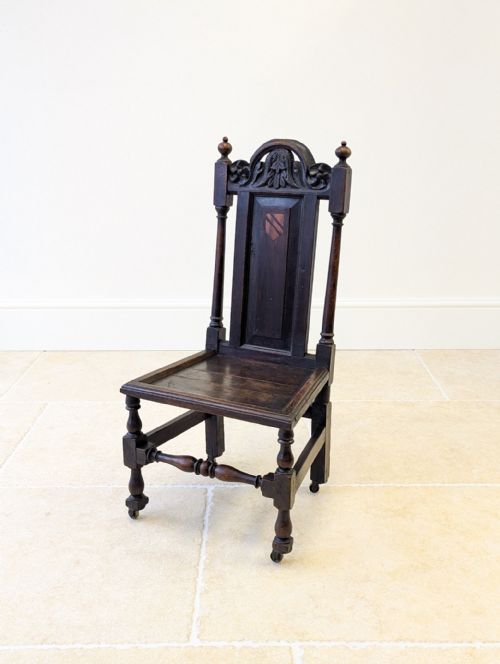
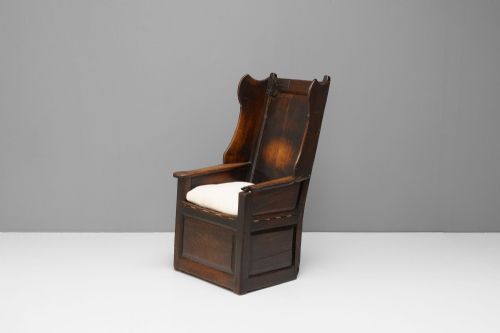
These vintage oak panel seat chairs combine sturdy construction with period revivals, offering robust seating for halls and dining rooms.
Vintage Oak Panel Seat Chairs
Vintage oak panel seat chairs span multiple periods including Victorian, Edwardian, and twentieth century revivals. Buyers seeking vintage oak panel seat chairs will encounter various forms ranging from dining chairs and armchairs to hall benches and settles.
Originating from diverse domestic and institutional settings, these pieces include schoolmaster chairs and church seating. The typical configuration utilises a rigid wooden seat rather than deep upholstery.
How they were made
Makers utilised solid oak timber as the primary structural material, often complemented by secondary woods like beech. Joinery techniques relied on traditional framing to support rigid panel seats and backs.
Surface ornamentation involved carved detailing, panel moulding, and occasional metal or brass fittings. Some examples integrated leather panels or cane work alongside the core timber structure.
Vintage Oak Panel Seat Chairs Retail Price Guide 2026
Typical asking prices for vintage oak panel seat chairs among the pieces listed under this phrase on Sellingantiques today, from the lower quarter to the upper quarter. They describe what is for sale here now, not the wider market.
Materials documented across the inventory include solid oak, brass fittings, leather, cane, and supplementary framing timbers.
What varies in quality
The standard of carving and the crispness of revivalist details distinguish individual pieces. Heavier framing and thoughtful timber selection elevate the construction of better examples.
Proportion and the integrity of the original wooden panels influence overall character. Refinements in the joinery separate standard utility seating from more decorative hall and armchairs.
The Vintage Oak Panel Seat Chairs Glossary
- Panel seat
- A solid wooden seat constructed from timber boards fitted within a frame. This traditional method provides a firm and durable sitting surface.
- Hall chair
- A rigid wooden seat traditionally placed in an entrance hallway. These pieces often display prominent carved backs and lack deep upholstery.
- Settle
- A wooden bench featuring a high back and solid panel arms. It offers protection from drafts in traditional domestic interiors.
- Gothic Revival
- An architectural and decorative style drawing on medieval forms. It incorporates pointed arches, tracery, and robust timber framing.
Vintage Oak Panel Seat Chairs: Frequently Asked Questions
Where should I put a hall bench?
These benches suit entranceways, corridors, and large landings where firm seating is practical. Their narrow profiles allow them to sit flat against walls without blocking walkways.
Pairing a bench with appropriate wall space creates a traditional focal point in an interior. They also serve as functional surfaces for brief seating or displaying items.
How do I care for oak furniture?
Maintain the timber by keeping it away from direct heat sources and excessive moisture. Regular dusting preserves the surface finish without requiring heavy polishes.
Applying natural wax occasionally helps nourish the oak grain. Avoid synthetic cleaners that might damage the historical patina.
What is a Jacobean style chair?
This style references seventeenth century English design recreated during later Victorian and Edwardian periods. It relies heavily on dark oak, turned legs, and flat geometric carvings.
Such chairs bring a heavy, architectural presence to dining rooms or studies. The aesthetic emphasises formal straight lines over curved comfort.
Are panel seats comfortable?
Solid timber seats offer firm support rather than cushioned softness. Many users add loose cushions or pads for extended seating periods.
Historically, these chairs were designed for upright posture in halls and dining settings. The rigid construction prioritises durability and structure over plush relaxation.
How can I date an oak chair?
Dating relies on observing construction methods, tool marks, and stylistic revival cues. Elements like machine sawn timber point towards nineteenth or twentieth century production.
Comparing the decorative motifs against known revival periods helps narrow the timeframe. Hardware and secondary woods also offer clues regarding the manufacturing era.