





Carolean Carved Oak Chair
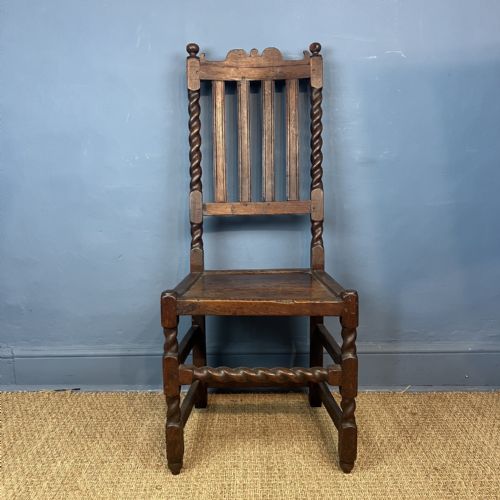
A carolean carved oak chair brings robust seventeenth-century craftsmanship and elaborate scrollwork into a room.
Carolean Carved Oak Chair
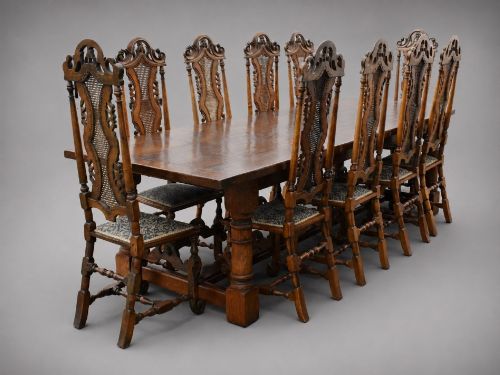
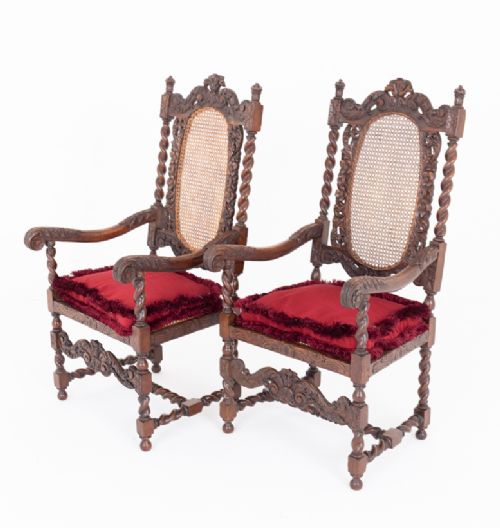
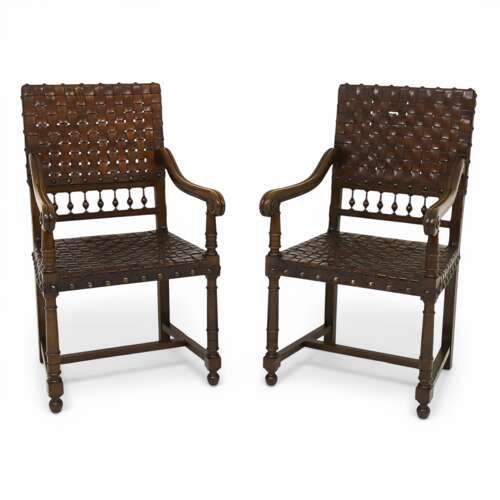
A carolean carved oak chair encompasses high-back dining seats, armchairs, and throne chairs originating from the seventeenth century alongside later revival pieces.
Buyers meet both genuine period examples dating from the era of Charles II and nineteenth-century interpretations built in the Jacobean and Carolean styles.
The selections range from simple side chairs and back stools to large sets intended for dining rooms and grand halls.
Materials and construction
Makers utilised solid oak, often joined through traditional framing techniques to build rigid, durable chair structures.
Decoration relied heavily on deep hand-carving, displaying scrolls, foliage, and crest rails.
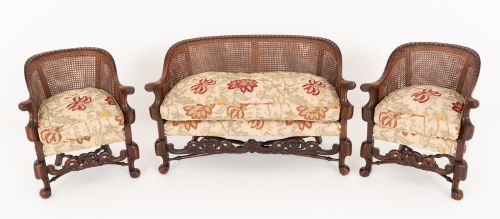
Seating areas frequently incorporated cane, woven leather, rattan, or upholstered velvet and fabric secured with brass tacks.
One surviving child highchair on a stand bears an original maker's initials and the date sixteen-eighty-eight carved directly into the wood.
Judging execution
Quality rests upon the crispness and depth of the carved ornamentation on the crest rails and stretchers.
The integrity of the joined frame and the tightness of the original or period-appropriate caning or leather work dictate overall excellence.
The Carolean Carved Oak Chair Glossary
- Carolean
- Pertaining to the reign of King Charles II, marked by ornate and exuberant wood carving. This style defines the scrollwork and crowns seen on these chairs.
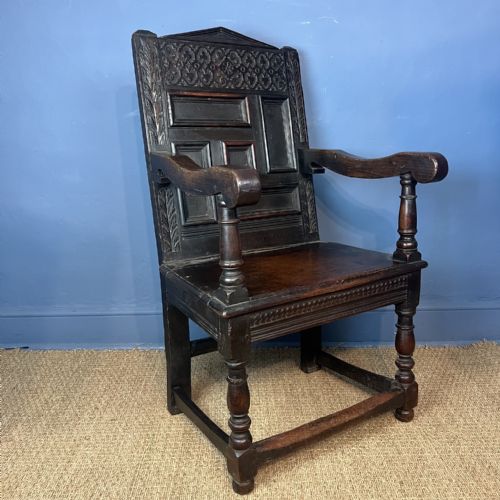
- Wainscot chair
- An early wooden armchair constructed with panelled backs and solid wooden seats. These heavy pieces precede the lighter upholstered forms.
- Back stool
- An early form of seating resembling a chair without arms. They served functional roles in seventeenth-century domestic spaces.
- Cane
- Split rattan woven into patterned meshes for chair backs and seats. This material provided flexible support during the late seventeenth century.
Carolean Carved Oak Chair: Frequently Asked Questions
How do I spot a genuine seventeenth-century chair?
Examine the construction joints, timber oxidation, and tool marks left by early craftsmen. Genuine period pieces show authentic wear patterns accumulated over centuries.
Revival pieces often display machine-assisted cuts or timber preparation methods distinct from seventeenth-century joinery.
Are these chairs comfortable for daily use?
Original period chairs were built with upright wooden backs intended for formal posture rather than lounging. Adding cushions can improve comfort for modern dining.
Upholstered versions or those with flexible cane panels offer more give than rigid solid-wood panels.
How should I care for oak and cane?
Keep wooden surfaces nourished with appropriate wax and avoid placing them near direct heat sources. Cane requires occasional dampening to prevent brittleness and snapping.
Protect leather and fabric elements from direct sunlight to maintain their structural integrity.
What is the difference between Carolean and Jacobean styles?
Jacobean furniture from the early seventeenth century tends to be heavier, with geometric panels and straighter lines. Carolean design introduces lively scrolls, cherubs, and open crown motifs.
Revival makers often blended these vocabulary elements, leading to mixed style descriptions in nineteenth-century pieces.