


Vintage Oak Ladder
A vintage oak ladder offers practical height and honest utility, spanning sturdy library steps and tall folding shop designs built to last.
Vintage Oak Ladder
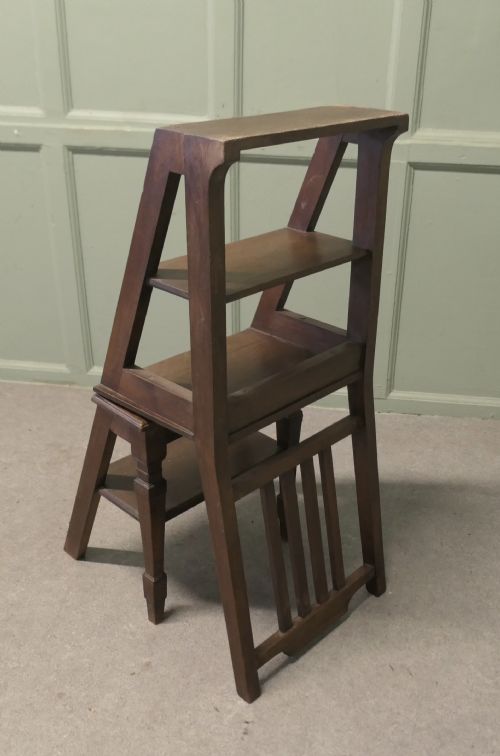
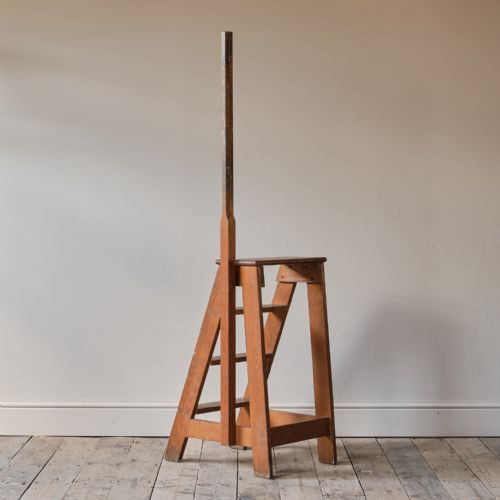
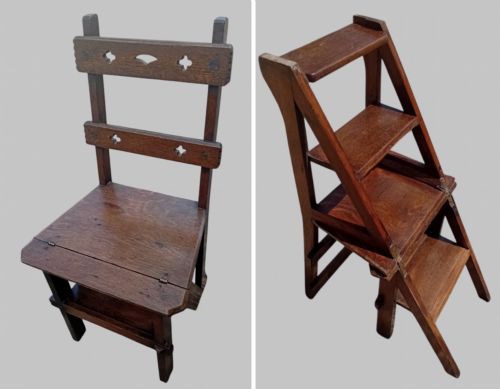
A vintage oak ladder covers functional library steps, tall library ladders, metamorphic library chairs, and folding shop steps built for daily use. The examples seen span the nineteenth century through the early twentieth century, showing straightforward joinery and sturdy timber construction.
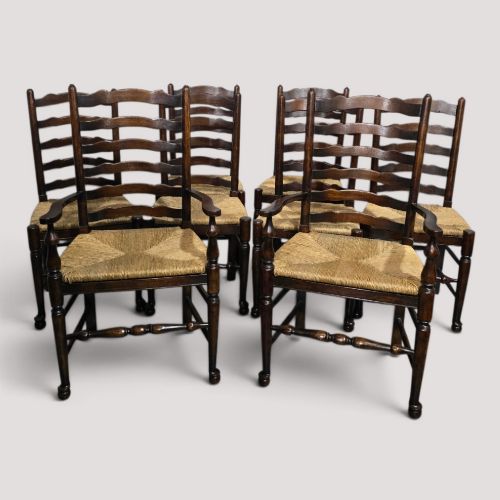
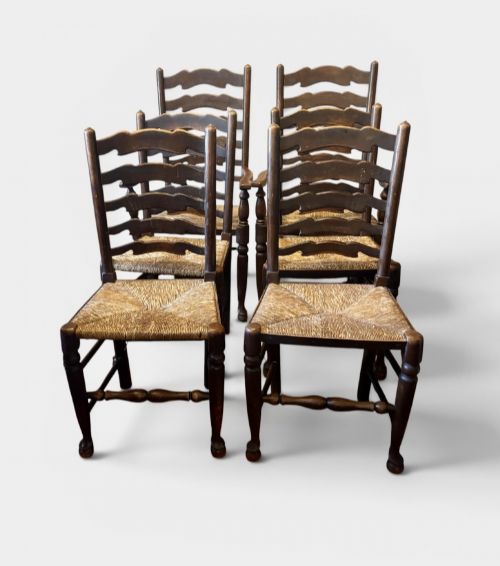
Buyers will encounter single flights of library steps alongside sets of oak ladder back chairs, reflecting the overlap in terminology for tiered seating and climbing frames. Domestic and institutional pieces appear frequently, including workshop items and library furniture designed to reach elevated shelves.
Materials and construction methods
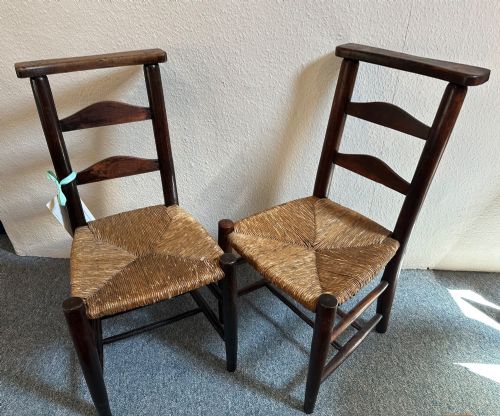
Makers relied primarily on solid oak, frequently paired with rush seating for ladder back chairs or brass fittings on metamorphic library steps. Hardwood supports and ash elements provide additional structural rigidity in utilitarian pieces intended for heavy daily service.
Joinery methods rely on pegged mortise and tenon joints for frames, ensuring stability under weight. Folding mechanisms utilise metal hinges and pivots that allow library steps to transform cleanly into chairs.
Materials appearing across the inventory range from solid oak and ash to woven rush, leather upholstery, and brass hardware.
Distinctions in quality and execution
Quality rests upon the weight of the timber and the tightness of the joinery, distinguishing heavy solid construction from lighter utility items. Finer examples retain original surface patination and operational hinges without excessive timber shrinkage or replaced rungs.
Metamorphic pieces depend heavily on the precision of their folding mechanisms for smooth transition between chair and step forms. Sets of dining chairs demonstrate quality through matching grain patterns, uniform ladder backs, and intact rush or leather seats.
Dicon Nance·Lawrence Neal·Liberty and Co·Heals
The Vintage Oak Ladder Glossary
- Metamorphic chair
- A dual-purpose piece of furniture that transforms from a chair into a flight of library steps by means of pivoting sections.
- Ladder back
- A chair style characterised by horizontal slats set between the upright posts of the backrest, often paired with rush seats.
- Library steps
- A freestanding flight of wooden stairs designed to reach high bookshelves in domestic or institutional libraries.
- Rush seat
- A woven seating surface made from dried marsh rushes twisted around a frame, typical of traditional country chairs.
- A-frame
- A structural configuration shaped like the capital letter A, providing stability for folding or fixed steps.
Vintage Oak Ladder: Frequently Asked Questions
How do metamorphic library steps work safely?
Metamorphic steps pivot on concealed hinges or sliding tracks, locking firmly into place when shifted between the chair configuration and the upright step position.
Users should check that all locking pins or pivoting joints engage fully before applying weight to the upper treads.
Can antique library ladders still support weight?
Solid oak library ladders and steps were built for heavy utilitarian service, but their load capacity depends entirely on the current condition of the timber joints and rungs.
Inspectors should examine glue lines and peg stability before allowing anyone to climb higher structures.
What is the difference between shop steps and library steps?
Shop steps usually feature a utilitarian folding frame designed for heavy commercial use and quick storage behind counters. Library steps often incorporate finer panel work, architectural detailing, or dual-purpose designs such as metamorphic chair combinations.
Both serve climbing functions but reflect different domestic and commercial environments.
How should rush seats on ladder back chairs be maintained?
Rush seating requires dry indoor conditions and occasional light cleaning with a soft brush to prevent the natural fibres from becoming brittle.
Avoid excessive moisture or direct heat sources that can dry out the twisted marsh materials.