


Standing Oak Steps
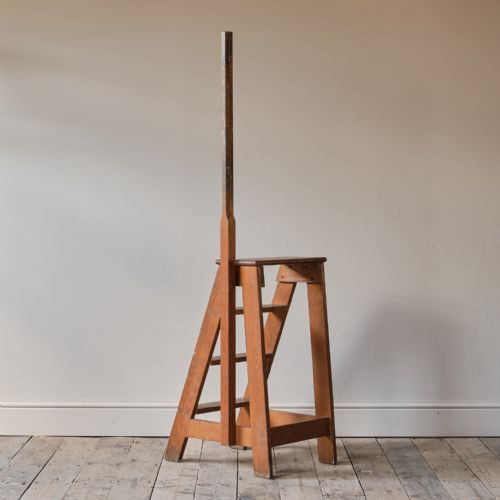
Standing oak steps are sturdy timber ascents designed for reaching high shelves, and you want them for their solid construction and period character.
Standing Oak Steps
Standing oak steps serve as practical furniture for reaching high shelves in libraries and studies. The selection includes library steps from the nineteenth century alongside early twentieth century pieces.
You will encounter forms described as sets of golden oak library steps from periods such as the Edwardian era and nineteen ten. These functional items combine utilitarian design with timber craftsmanship.
The category incorporates architectural forms made from oak, reflecting the period styles recorded in the inventory. Each set provides a stable climb for domestic or institutional use.
How they were made
The makers utilised solid oak and golden oak to construct the frames and treads of these ascents. This heavy timber provides the necessary weight and stability required for climbing furniture.
Construction methods rely on traditional joinery to secure the individual treads and risers together. The natural grain of the oak is finished to highlight the character of the wood across each period piece.
Current listings feature oak as the primary material, spanning periods from the nineteenth century through the nineteen thirties.
What varies in quality
The distinction between standard examples and those of finer proportion lies in the selection of the timber. Golden oak selections often display superior grain patterns and more substantial physical proportions.
Craftsmanship in the joinery dictates the overall solidity and longevity of the steps. Pieces originating from the Edwardian period or earlier show varying degrees of decorative detail on the steps and sides.
The Standing Oak Steps Glossary
- Golden oak
- A bright, warm shade of timber finishing often associated with furniture from the late nineteenth and early twentieth centuries. This tone highlights the natural grain of the wood.
- Library steps
- A set of portable stairs designed for accessing upper bookshelves in private or institutional collections. These pieces range from simple utilitarian structures to grand proportions.
- Edwardian
- A stylistic period spanning the reign of King Edward VII, noted for lighter furniture designs compared to Victorian heavy timber. Pieces from this era often refine earlier proportions.
- Nineteenth century
- The historical timeframe encompassing the eighteen hundreds, yielding substantial oak furnishings. Items from this era reflect earlier hand-working techniques.
Standing Oak Steps: Frequently Asked Questions
What are standing oak steps used for?
These steps provide access to elevated bookshelves in home libraries and studies. They combine functional utility with period timber aesthetics.
Their solid construction ensures safe elevation for everyday retrieval of books and documents.
How do I date standing oak steps?
Dating relies on observing the timber finish, construction methods, and stylistic cues present in the design. Edwardian and nineteenth-century pieces exhibit distinct characteristics in their proportions.
Comparing the joinery style to known period examples helps establish the likely decade of manufacture.
Are oak steps stable for daily use?
Solid oak construction provides substantial weight and structural integrity for climbing. The dense nature of the timber prevents excessive movement during use.
Properly maintained period steps remain entirely suitable for routine domestic climbing tasks.
Where should I place library steps?
Library steps fit naturally beside tall bookcases or within study rooms. Their architectural timber presence complements traditional desk and shelving arrangements.
Positioning them against a sturdy wall ensures stability while enhancing the room's period character.