


Brown Oak Step Stool
These brown oak step stool pieces combine solid timber practicality with clever engineering, offering sturdy utility and enduring design for your home.
Brown Oak Step Stool
When you search for a brown oak step stool, you encounter a practical fusion of seating and elevation designed for domestic or library tasks. The pieces on this page span the eighteenth century, the nineteenth century, and the early twentieth century, encompassing periods from the Victorian era to the Edwardian period.
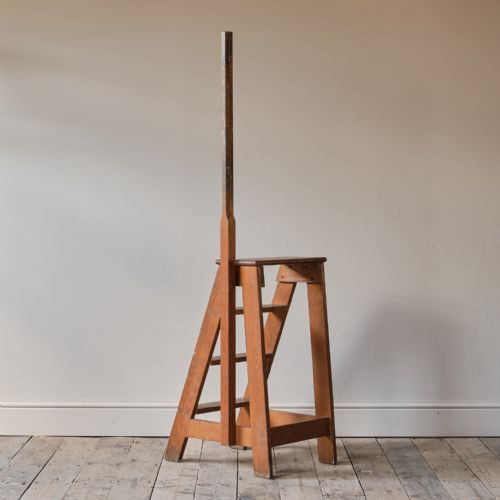
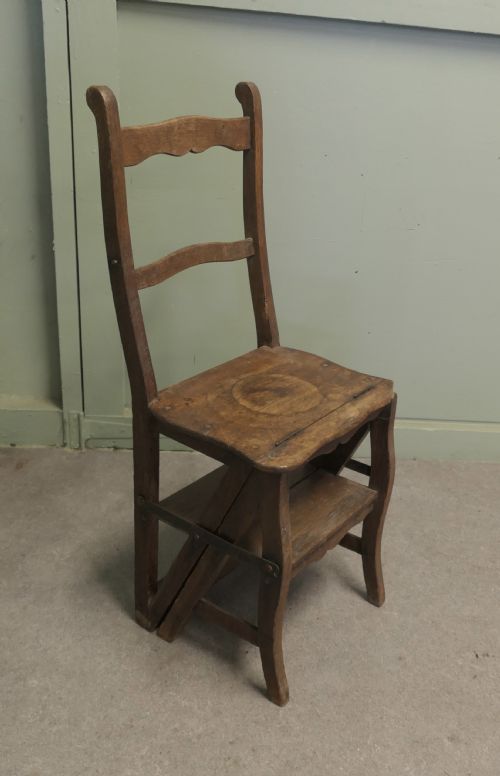
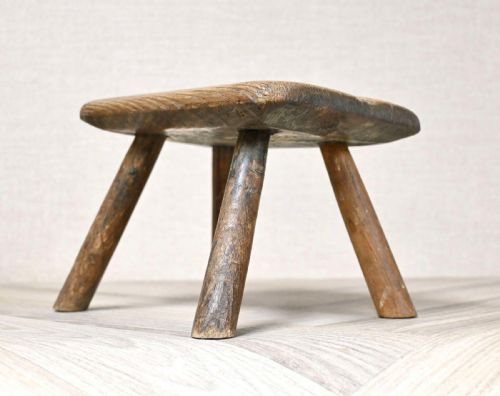
Forms range from simple footstools and hearth stools to complex library ladders, library chairs, storage stools, and metamorphic armchair steps. You will frequently meet metamorphic designs that transform from a chair or stool into a flight of steps, reflecting the ingenious space-saving ideas of historical makers.
Styles represented across the inventory include Gothic Revival, Victorian Gothic Revival, Aesthetic Movement, French Country, Primitive Country, and Rustic Country. These diverse styles demonstrate how functional wooden steps were adapted for both formal libraries and rustic interiors.
Materials and construction methods
Makers relied primarily on solid oak and timber, frequently pairing the warm brown wood with leather for upholstered seats or treads. Metal components such as iron and brass appear in the hinges, pivots, and locking mechanisms that allow metamorphic step chairs to shift safely between configurations.
Some chairs quietly double as staircases when nobody is looking.
Evaluating the craftsmanship
Quality in a brown oak step stool reveals itself in the smoothness of the metamorphic mechanism and the tightness of the timber joints. Superior examples feature robust brass or iron fittings that operate without binding, whereas simpler pieces rely on basic pivot pins.
The choice of solid oak and the retention of original leather or cane seating surfaces also distinguish finer library steps and armchairs from standard utility items. Proportion and decorative restraint, particularly in Gothic Revival or Aesthetic Movement pieces, mark out the more ambitious workshops.
The Brown Oak Step Stool Glossary
- Metamorphic furniture
- Pieces designed to transform from one furniture type into another, such as an armchair converting into library steps. This clever duality served domestic and library spaces where floor area was at a premium.
- Library steps
- A flight of wooden stairs constructed to reach high bookshelves in private or institutional libraries. They often incorporated handrails or transformed into seating.
- Gothic Revival
- A nineteenth-century architectural and decorative style drawing inspiration from medieval forms. Pieces in this manner display pointed arches, tracery, and heavy structural framing.
- Aesthetic Movement
- A late nineteenth-century design current that emphasised visual beauty over narrative content. Furniture from this circle values simplified lines and honest construction.
- Hearth stool
- A low seat positioned near a fireplace for warmth. These sturdy wooden forms provided convenient seating close to the floor.
Brown Oak Step Stool: Frequently Asked Questions
What is a metamorphic brown oak step stool?
A metamorphic brown oak step stool is a dual-purpose item of furniture engineered to shift between a seat and a flight of steps. These ingenious pieces were particularly popular in nineteenth-century libraries.
Mechanisms typically involve pivoting seat backs or sliding treads that lock securely into position depending on whether you require a chair or elevation.
How do I date a brown oak step stool?
Dating relies on examining the timber, joinery techniques, and stylistic clues such as Gothic Revival or Aesthetic Movement details. Eighteenth-century pieces generally show hand-tooled surfaces and simpler construction.
Nineteenth- and early twentieth-century examples often incorporate more complex iron or brass pivot mechanisms and machine-sawn components.
Were these steps used only in libraries?
While many larger library ladders and steps served institutional or grand domestic bookrooms, smaller stools and footstools fulfilled general household duties. Hearth stools and slipper boxes offered practical utility in living rooms and bedrooms.
Metamorphic library armchairs bridged the gap between study seating and functional access to tall shelving.
How should I care for antique oak steps?
Preserve the timber by keeping the wood away from direct heat sources and extreme humidity fluctuations. Regular dusting with a dry cloth maintains the finish without building up residues.
Period leather or brass fittings benefit from gentle cleaning appropriate for antique materials, avoiding harsh modern chemical polishes.