




Vintage Oak Hutch Display
These vintage oak hutch display pieces are robust storage and display furniture built from solid timber to house household wares.
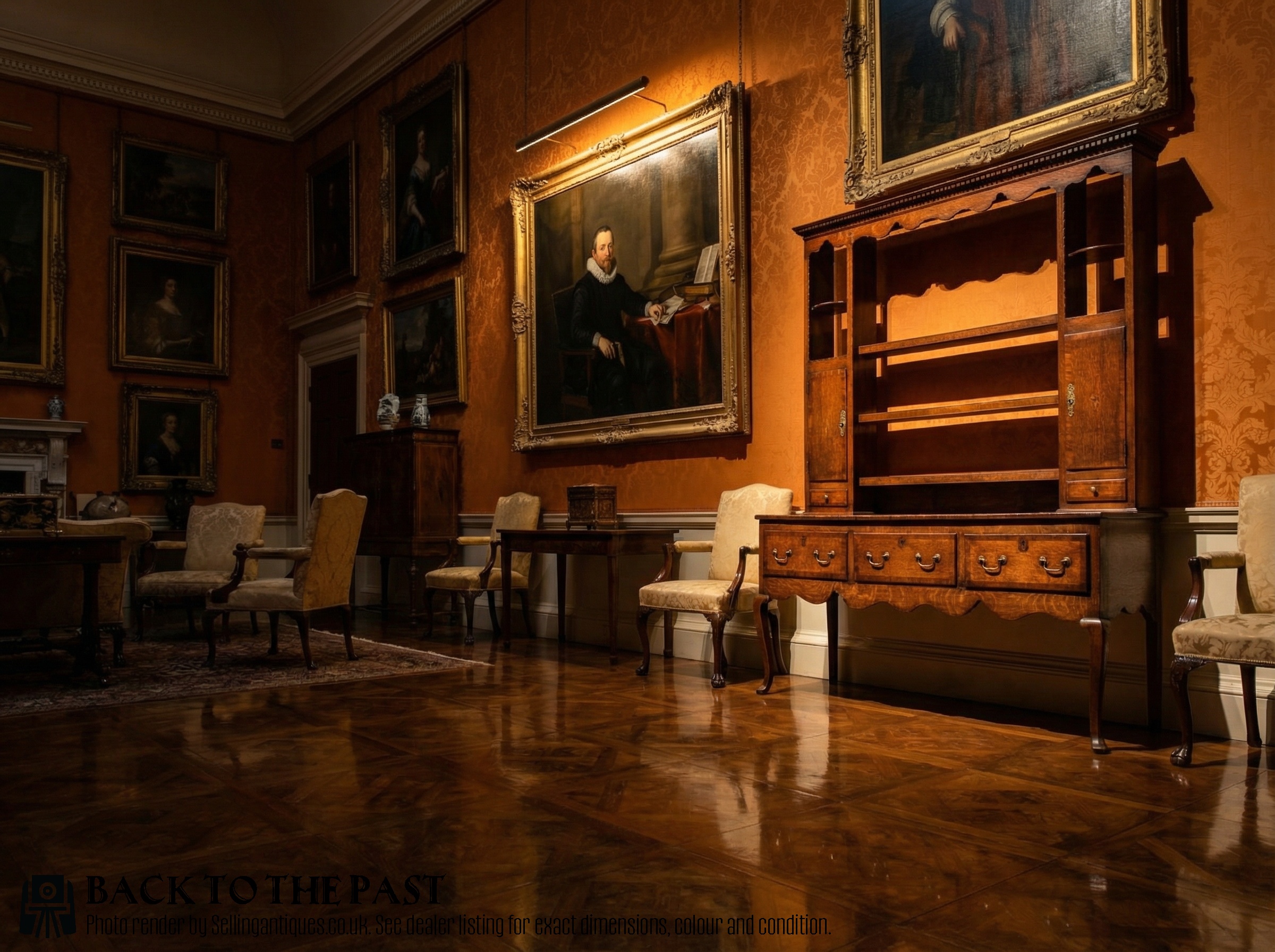
Vintage Oak Hutch Display
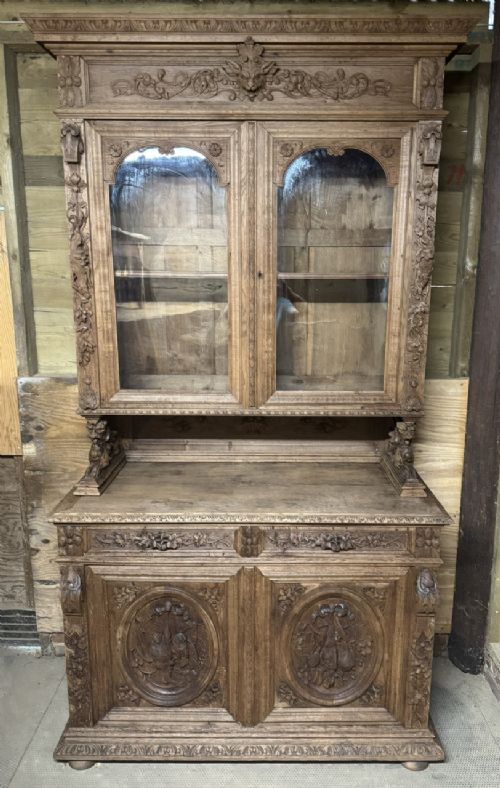
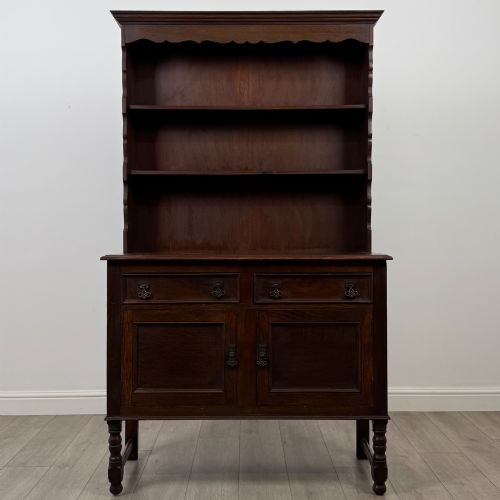
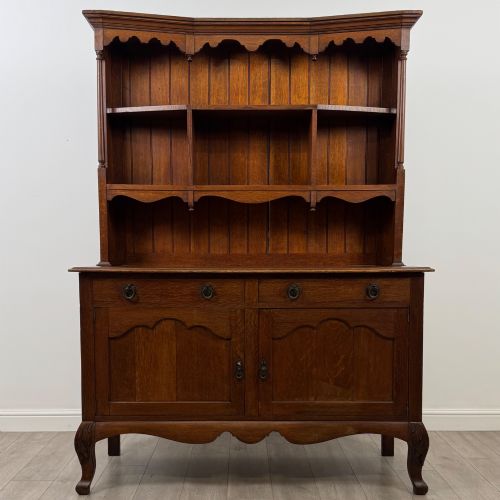
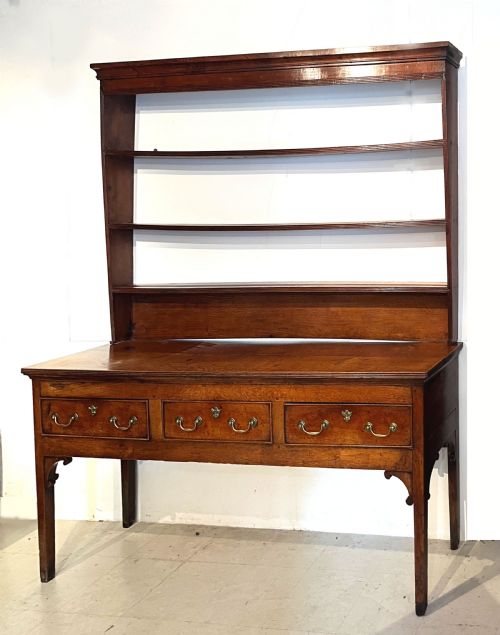
A vintage oak hutch display brings together traditional storage furniture and open shelving, serving as both a practical kitchen workspace and a prominent showcase for ceramics. When searching for a vintage oak hutch display, buyers encounter a variety of forms including Welsh dressers, glazed display cabinets, and bookcases with cupboard bases.
The pieces span multiple periods, ranging from 18th century country examples and Georgian designs to Victorian iterations, Edwardian creations, and 20th century revivals. Regional variations such as Cornish and Ipswich pieces appear alongside heavily styled Jacobean Revival and Arts and Crafts interpretations.
How they were made
Makers utilised solid oak, frequently featuring tiger oak figures or golden tones, constructed as two-part furniture items comprising a lower cupboard base and an upper plate rack or glazed cabinet. Joinery techniques varied from early joined construction to later Revival methods, often incorporating brass hardware and iron fittings.
Glazing takes the form of plain glass or leaded glass panes held together with lead cames, while decorative surface work includes hand carving in Jacobean or Renaissance revival styles. Bone details and metal accents occasionally supplement the primary timber structure.
Vintage Oak Hutch Display Retail Price Guide 2026
Typical asking prices for vintage oak hutch display among the pieces listed under this phrase on Sellingantiques today, from the lower quarter to the upper quarter. They describe what is for sale here now, not the wider market.
Several dressers still retain their original grooves in the plate racks, carved specifically to keep heavy ceramic plates from sliding forward.
What varies in quality
Construction integrity separates standard utility furniture from finer workshops, visible in the tightness of the joinery and the selection of timber figures such as tiger oak. The weight and thickness of the oak used for base cupboards and upper plate racks dictate the durability of the piece.
The refinement of decorative carving and the quality of the glass, particularly leaded panels, indicate the level of craftsmanship involved. Original hardware, including brass handles and hinges, contributes substantially to the overall integrity of a hutch or dresser.
Heals of London
The Vintage Oak Hutch Display Glossary
- Welsh dresser
- A traditional combination of a lower base fitted with cupboards or drawers and an upper plate rack for displaying tableware. These items form a major part of the oak storage selection.
- Plate rack
- The open shelving structure mounted above the lower base of a dresser, designed to display plates upright. They often feature shaped wooden boards along the top edge.
- Tiger oak
- A distinctive figuring in quarter-sawn oak timber that produces dark, tiger-stripe markings across the grain. This pattern is prized for its decorative appearance on Victorian and Edwardian furniture.
- Leaded glass
- Small panes of glass held together within a network of lead cames to form a patterned window or cabinet door. This technique appears frequently on display cabinets and bookcase doors.
Vintage Oak Hutch Display: Frequently Asked Questions
What is a Welsh dresser?
A Welsh dresser is a two-part furniture item featuring a solid wooden base with cupboards or drawers beneath an open upper rack. It was traditionally used in domestic kitchens for food preparation and storing tableware.
Over time, these pieces moved from working kitchens into principal living spaces to display prized ceramics and glassware.
How do I identify an 18th century oak dresser?
Eighteenth century examples typically display joined oak construction with hand-planed surfaces and pegged joints rather than modern fixings. They often show simple country styling with panelled doors and distinct signs of age through surface wear.
Later revival pieces built in the 19th or 20th centuries often replicate these earlier styles with machine-cut timber and applied decorative carving.
How should I care for vintage oak furniture?
Vintage oak benefits from steady indoor humidity levels away from direct heat sources and strong sunlight to prevent the timber from splitting. Regular dusting with a dry cloth and occasional application of appropriate wax keeps the finish nourished.
Avoid using silicone-based polishes which can build up on the wood surface and dull the grain over time.
What is the difference between a hutch and a dresser?
A hutch generally refers to an enclosed cabinet or shelving unit sat upon a base, whereas a traditional dresser incorporates an open plate rack specifically designed for displaying plates. In practice, the terms often overlap within antique and vintage listings.
Both forms provide substantial storage capacity combined with display space for dining rooms and kitchens.