




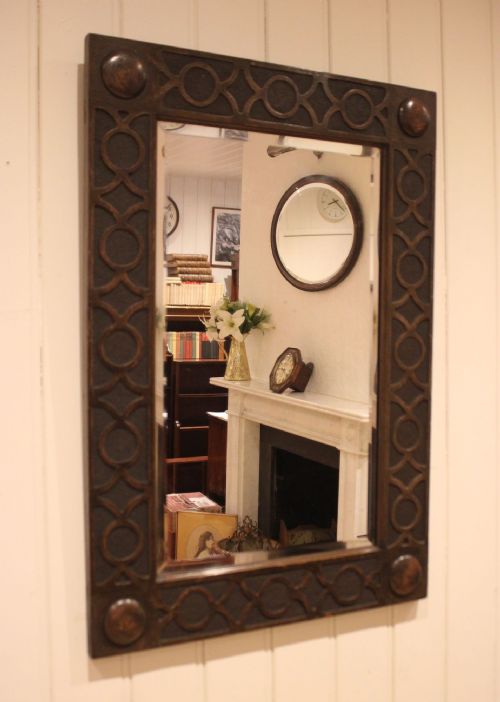


Vintage Oak Hanging Mirror
These vintage oak hanging mirrors bring enduring timber warmth and practical reflection to hallways and rooms, spanning styles from simple Edwardian frames to heavily carved Gothic revivals.
Vintage Oak Hanging Mirror
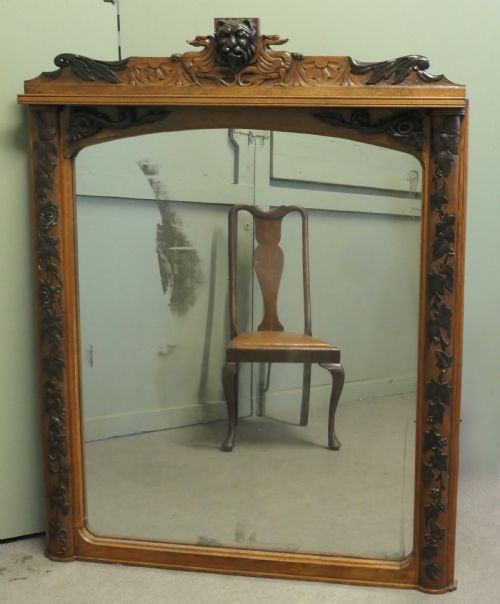
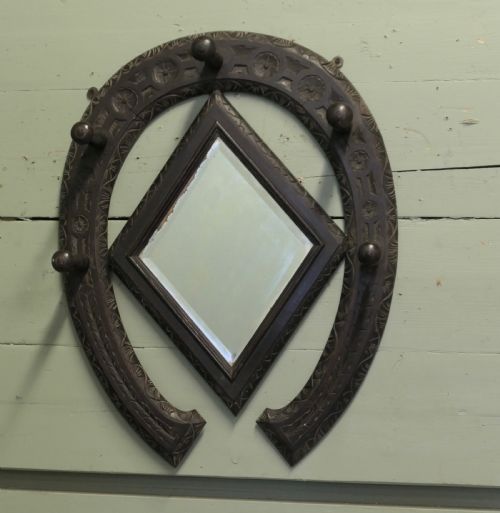
A vintage oak hanging mirror serves as both a functional looking glass and a substantial piece of wall furniture, frequently incorporating practical ledges, coat hooks, or key cabinets alongside the central plate. When exploring vintage oak hanging mirror selections, buyers encounter diverse forms ranging from straightforward oval frames to elaborate architectural revivals.
The selection encompasses pieces originating across the eighteenth, nineteenth, and early twentieth centuries, capturing the stylistic shifts of the Victorian, Edwardian, and Art Deco eras. Makers utilised native and continental timbers, occasionally applying bleached finishes or gilt gesso accents to complement the solid oak construction.
Materials and construction
Makers constructed these frames predominantly from solid oak, sometimes utilising scrubbed or bleached treatments to lighten the timber grain, alongside brass hardware and bevelled glass plates. Decorative detailing often involved deep carving, fret cutting, or applied gilt gesso elements.
Structural integrity relied on traditional joinery techniques suitable for hanging objects, with backboards securing the heavy glass and hanging loops affixed to withstand daily use in cloakrooms and halls.
Current listings span the eighteenth to the twentieth centuries, featuring oak, brass, and giltwood across styles from Gothic Revival to Art Deco.
Judging quality and craftsmanship
Construction details such as tight mitre joints, substantial oak thickness, and well-fitted original backboards indicate superior craftsmanship. Lesser examples may exhibit clumsy proportioning or unsympathetic modern replacements of the hanging hardware.
Waring and Gillow
The Vintage Oak Hanging Mirror Glossary
- Bevelled glass
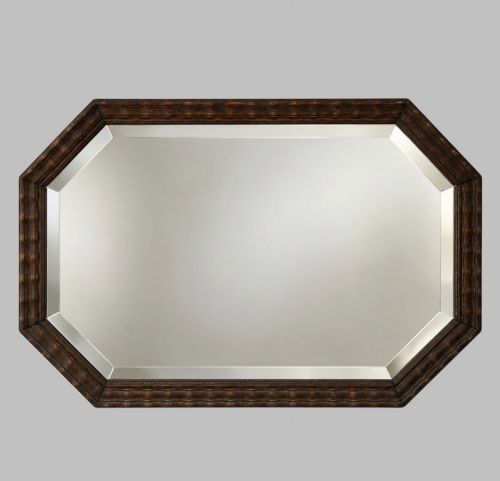
- A mirror plate with an angled edge polished around the perimeter, creating a subtle prismatic border that catches the light. This technique adds depth to the overall appearance of the wall piece.
- Gesso
- A plaster-like material applied to wooden frames as a base for gilding or painting. It allows for intricate moulded ornamentation.
- Fret cut
- A woodworking technique involving decorative piercing or fretwork patterns cut through thin panels. It creates lightweight, ornate borders around the central glass.
- Cushion mirror
- A frame profile featuring a convex, rounded shape that swells outwards towards the edge. This style creates a pronounced, sculptural frame around the glass plate.
Vintage Oak Hanging Mirror: Frequently Asked Questions
How do I hang a heavy oak mirror safely?
Ensure your wall fixings are anchored securely into brickwork or wall studs rather than plaster alone. Use robust picture wire or mirror plates rated to bear the substantial weight of solid timber and glass.
Position the mirror at eye level to maximise both its reflective utility and its decorative balance within the room.
Where should I place a hanging hall mirror?
Halls, landings, and cloakrooms suit these pieces best, especially variants that incorporate built-in shelves, hooks, or key cabinets. They offer a practical spot for final checks before leaving the house.
Pair them with complementary wooden furniture to maintain a cohesive interior style.
How do I clean an antique oak frame?
Dust the timber regularly with a soft, dry cloth to prevent grime accumulation in the carved recesses. Avoid modern chemical polishes that can degrade the vintage finish over time.
Apply a traditional beeswax occasionally if the oak appears dry, buffing gently to maintain a natural lustre.
How do I identify an Edwardian oak mirror?
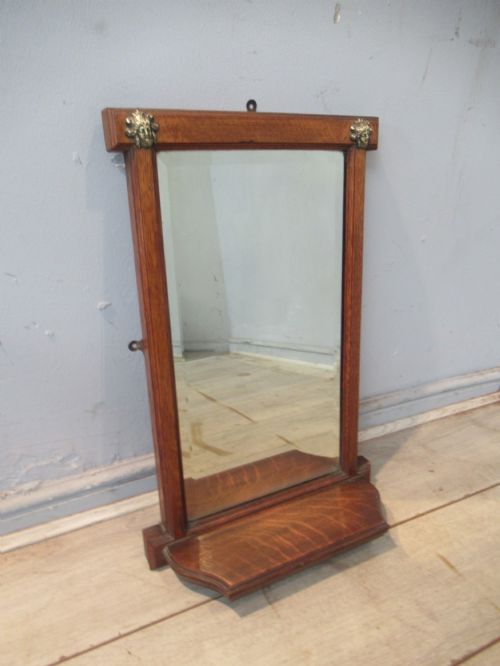
Edwardian examples often feature lighter oak tones, simpler linear carving, and sometimes integrated brass coat hooks or small umbrella stands beneath the glass. They reflect the domestic expansion of hall furniture during the early twentieth century.
Compare the hardware and backboards against known period pieces to confirm the era of manufacture.