


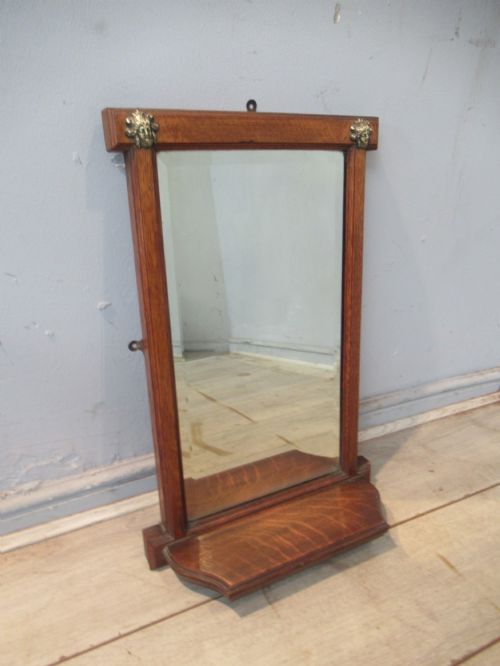


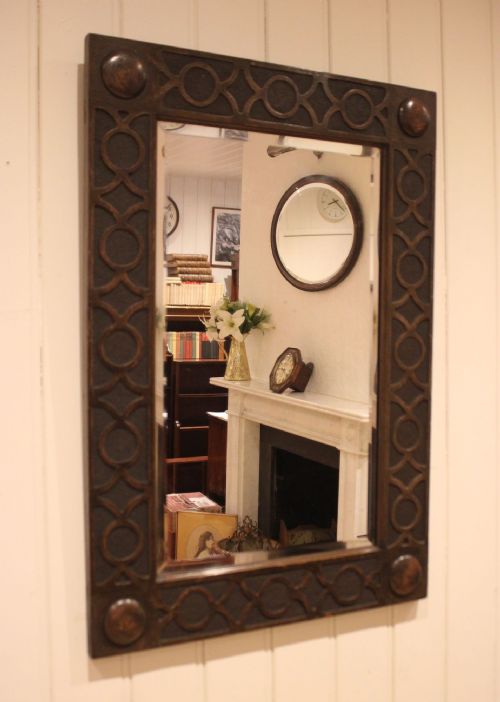


Vintage Oak Hallway Mirror
A vintage oak hallway mirror gives an entranceway practical depth and robust character.
Vintage Oak Hallway Mirror
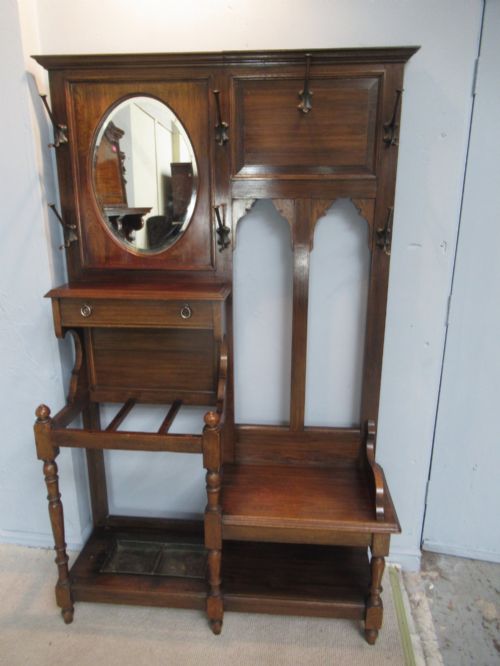
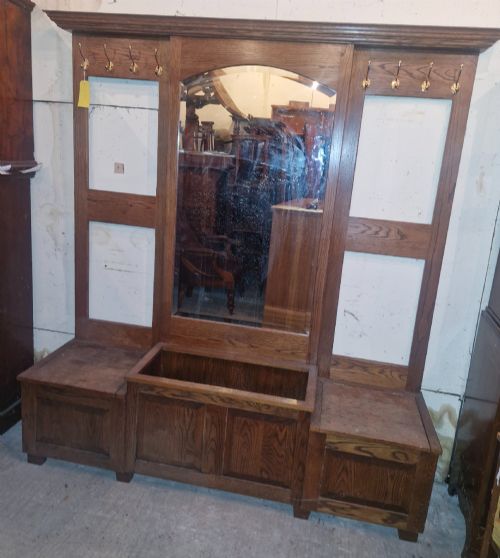
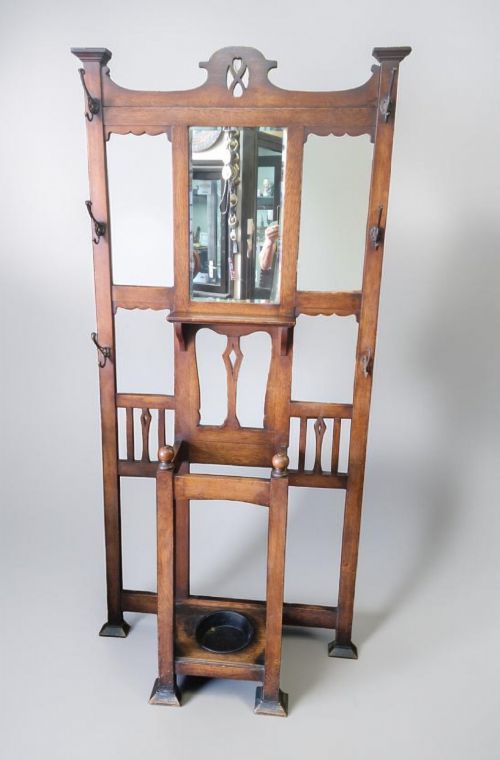
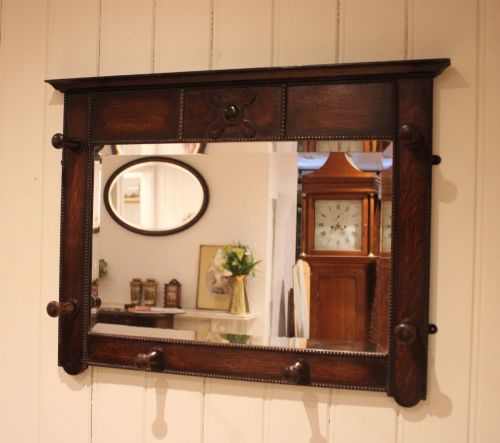
A vintage oak hallway mirror brings practical utility and warm timber grain to an entranceway. These pieces range from simple wall-hanging frames to large multifunctional hall stands incorporating hooks, seats, and shelves.
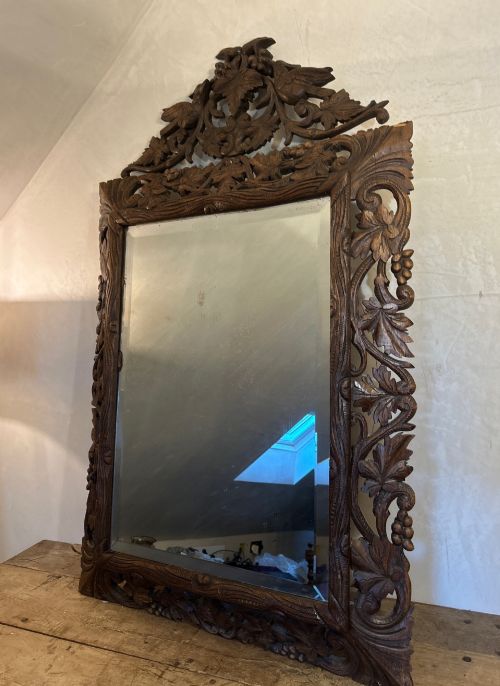
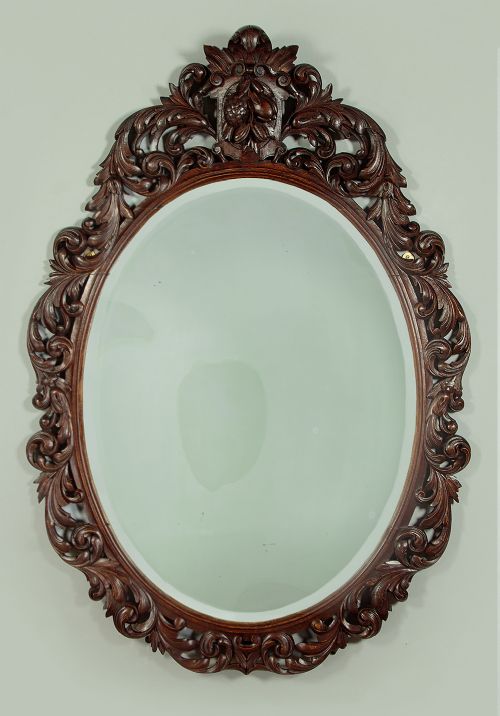
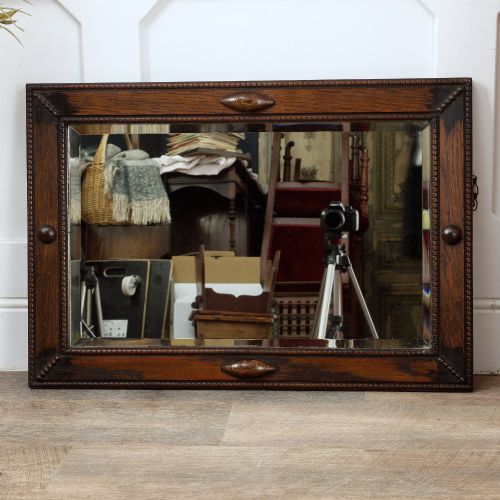
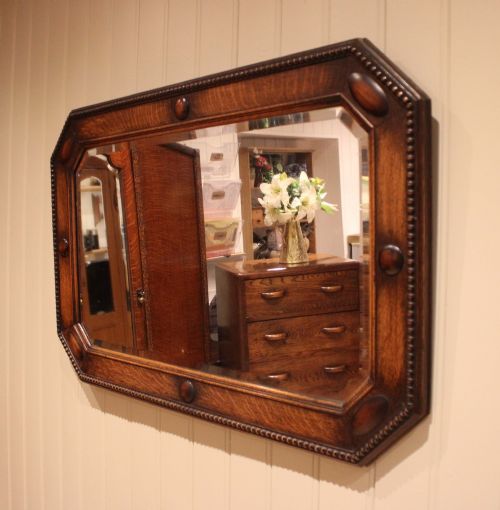
The versions most commonly met on this page span from the late nineteenth century through the Edwardian era into the Art Deco period. Buyers will find rectangular, oval, and carved wall mirrors alongside substantial pieces designed for hats, coats, and cloaks.
Originating in domestic halls and cloakrooms, these furnishings served to tidy outdoor wear while brightening narrow corridors with reflected light. Their forms reflect the dominant decorative movements of their decades of manufacture.
What varies in quality
The distinction between standard production items and finer examples lies in the depth of hand carving and the selection of figured timber. Superior pieces display thoughtful proportions, integrated architectural mouldings, and robust structural joinery.
Fittings such as brass coat hooks and original bevelled mirror plates indicate higher craftsmanship. Simpler utility stands rely on plain surfaces and minimal decoration, whereas revivalist and Arts and Crafts examples show more meticulous attention to detail.
Listings span periods from the eighteen-eighties to nineteen-thirty, incorporating styles from Victorian revival to Art Deco and Arts and Crafts.
The Vintage Oak Hallway Mirror Glossary
- Hall stand
- A composite entranceway furniture piece combining a mirror, hat and coat hooks, and frequently an umbrella stand or seat.
- Arts and Crafts
- A design movement prioritising traditional craftsmanship, visible construction, and simple oak forms over mass production.
- Pier mirror
- A tall, narrow wall mirror historically designed to fit the wall space between windows or doors.
- Bevelled glass
- A mirror plate with edges ground and polished at an angle to catch and refract light.
Vintage Oak Hallway Mirror: Frequently Asked Questions
Were these mirrors originally meant for hallways?
Most of these pieces were specifically designed for domestic entrances, cloakrooms, and narrow passageways. They provided a final check for attire before leaving the house.
Many incorporated shelves for keys and hooks for hats and coats to keep the hallway tidy.
How do I date an oak hallway mirror?
Dating relies on stylistic clues such as carving motifs, hardware materials, and overall proportions. Victorian and Edwardian examples often feature heavy ornamentation or structured frames.
Later pieces from the Art Deco period show cleaner lines and simpler geometric forms.
Can I use a hall mirror in a bathroom?
Certain wall-hanging cloakroom and shaving mirrors adapt well to bathroom environments due to their size and shelf integration. Moisture resistance depends on the condition of the original oak finish.
Placing wooden frames in damp spaces requires careful monitoring of the timber and backing.