


Vintage Oak Flap Table
A vintage oak flap table brings sturdy timber and folding leaves together, offering practical surface space that folds away neatly when not needed.
Vintage Oak Flap Table
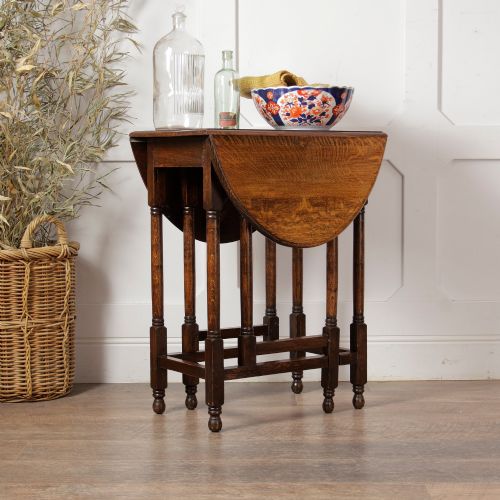
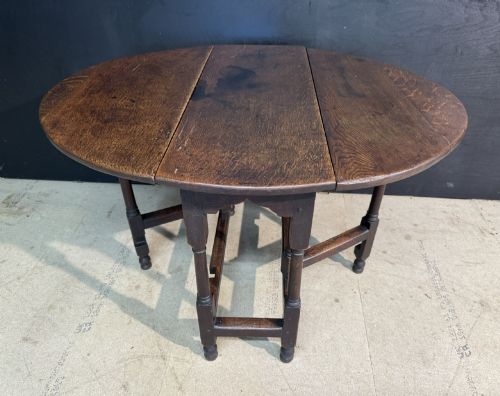
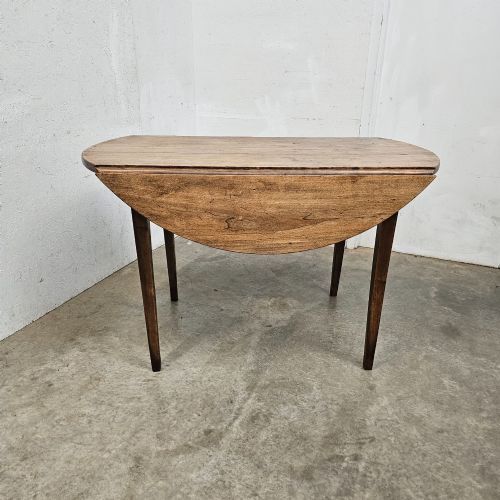
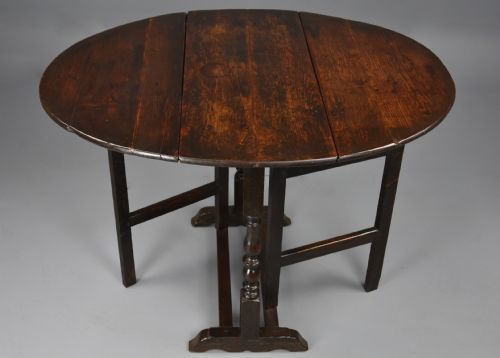
A vintage oak flap table is fundamentally a drop-leaf or gateleg design intended to expand when needed and fold compactly aside. When you search for a vintage oak flap table, you encounter diverse forms ranging from seventeenth-century gatelegs to early twentieth-century dining and coffee tables.
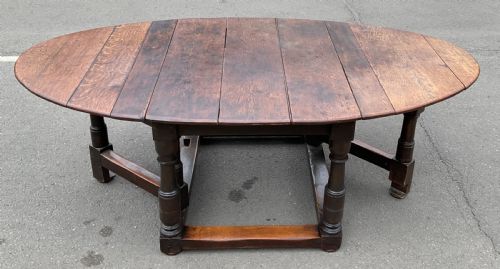
The selections span centuries, featuring seventeenth-century originals alongside nineteenth-century pieces and nineteen-twenties revivals. Gateleg dining tables and smaller occasional or coffee tables dominate the selection, often rendered in solid oak with occasional elm or fruitwood elements.
Materials and construction methods
Makers relied primarily on solid oak, complemented by secondary timbers such as elm and fruitwood, sometimes incorporating iron, brass, and leather details. Construction involved sturdy framing to support hinged flaps, supported in many examples by swinging gate legs or drop-leaf mechanisms.
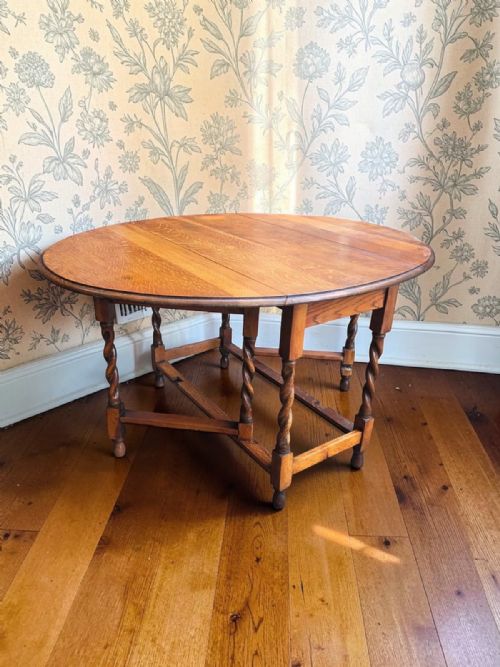
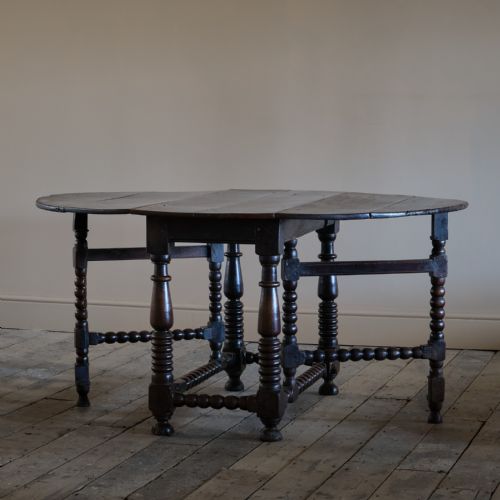
Turned wooden components appear frequently, including barley twist and bobbin turned legs that provide structural support while adding distinct decorative character. Surfaces demonstrate traditional joining and finishing techniques appropriate to their respective periods of origin.
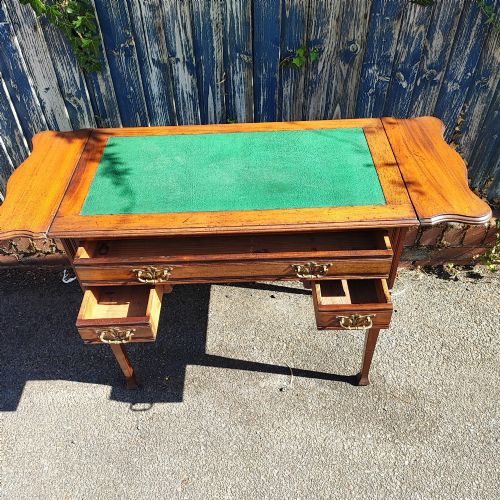
Materials appearing across the inventory include oak, elm, fruitwood, mahogany, brass, iron, leather, and metal.
Assessing quality and character
Quality separates examples by the integrity of their timber, the smoothness of their folding mechanisms, and the preservation of original surface character. Superior pieces maintain robust structural frames and well-fitted leaves that operate cleanly without sagging.
Proportion and scale also define the better examples, whether dealing with a large seventeenth-century dining piece or a compact occasional table. The depth of the timber's grain and the presence of honest period patination elevate certain pieces above standard revivals.
The Vintage Oak Flap Table Glossary
- Gateleg table
- A table with hinged leaves supported by one or more legs that swing out like a gate.
- Barley twist
- A type of turning shaped like a spiral helix, frequently found on seventeenth-century and nineteen-twenties legs.
- Bobbin turning
- A form of furniture turning resembling a string of bobbins or spools, popular in seventeenth-century joinery.
- Drop-leaf
- A table design featuring fixed centre boards with hinged flaps that drop down at the sides.
- Patina
- The surface sheen and colour developed on wood over years of handling, exposure, and age.
Vintage Oak Flap Table: Frequently Asked Questions
How do I use a flap table in a small room?
Keep the leaves dropped against the sides to use the piece as a narrow console or side table.
Swing the gate legs outward and raise both flaps whenever you require full dining or desk surface area.
Are these tables sturdy enough for daily dining?
Solid timber construction and robust gateleg supports provide strong foundations for everyday meals and gatherings.
Check that the swinging leg is positioned correctly beneath the raised flap to ensure secure weight distribution.
How do I tell seventeenth-century tables from nineteen-twenties revivals?
Examine the construction joints, tool marks, and overall wear patterns for indicators of period handcrafting versus later manufacturing methods.
Seventeenth-century examples display distinct timber ageing and peg construction, whereas nineteen-twenties pieces often reflect revival styles like Jacobean.
What is the difference between a gateleg and a drop-leaf table?
A drop-leaf table simply describes any table with hinged flaps, which might rest on standard folding brackets or pull-out wooden supports.
A gateleg table specifically uses hinged legs that pivot outward from the frame to support the raised leaves.