


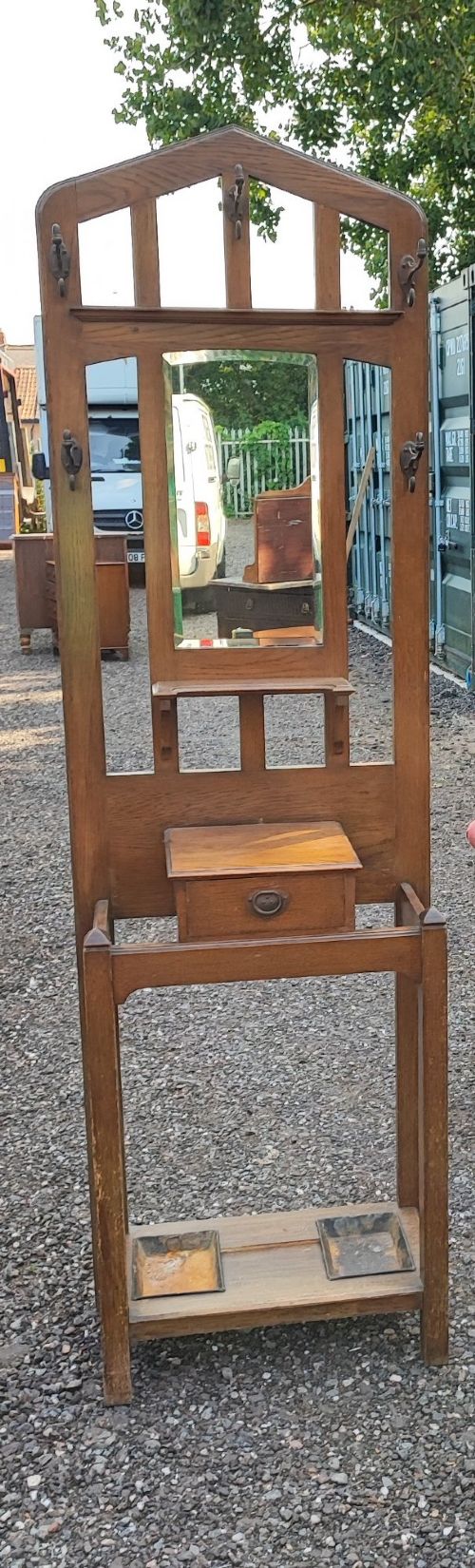


Vintage Oak Coat Tree
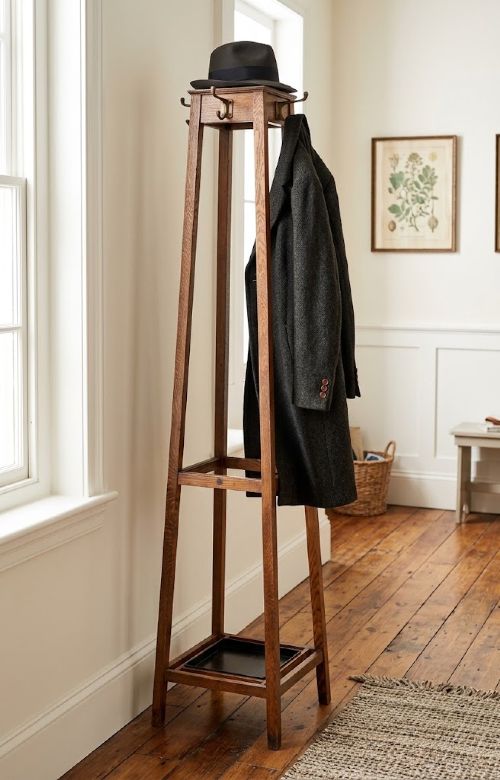
A vintage oak coat tree anchors an entrance hall with functional timber architecture, offering sturdy upright hanging space for daily garments and hats.
Vintage Oak Coat Tree
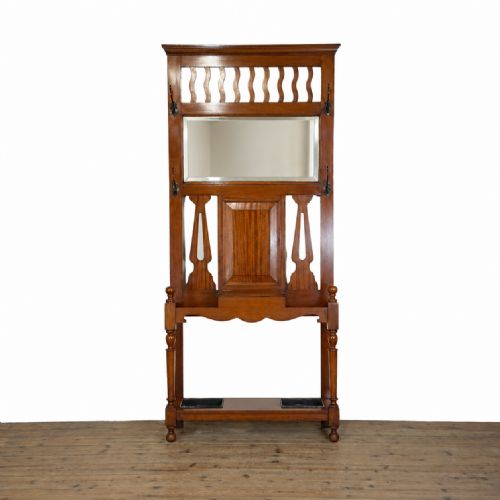
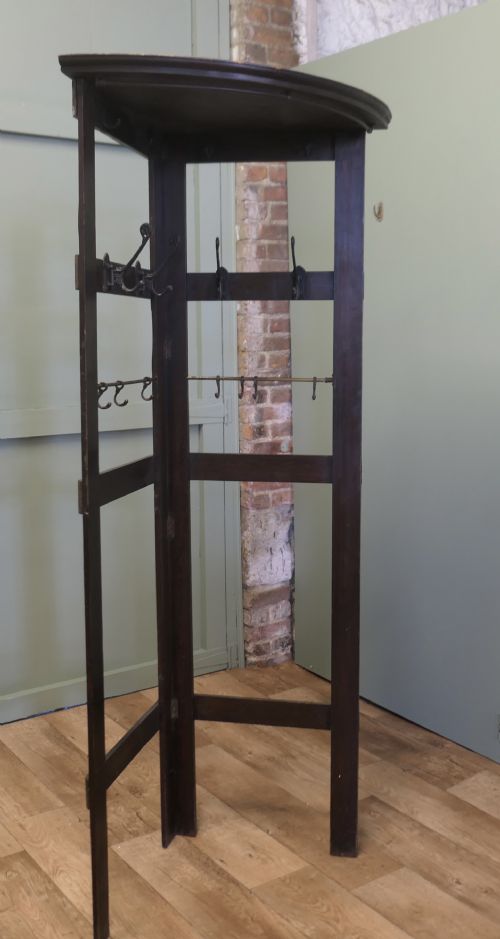
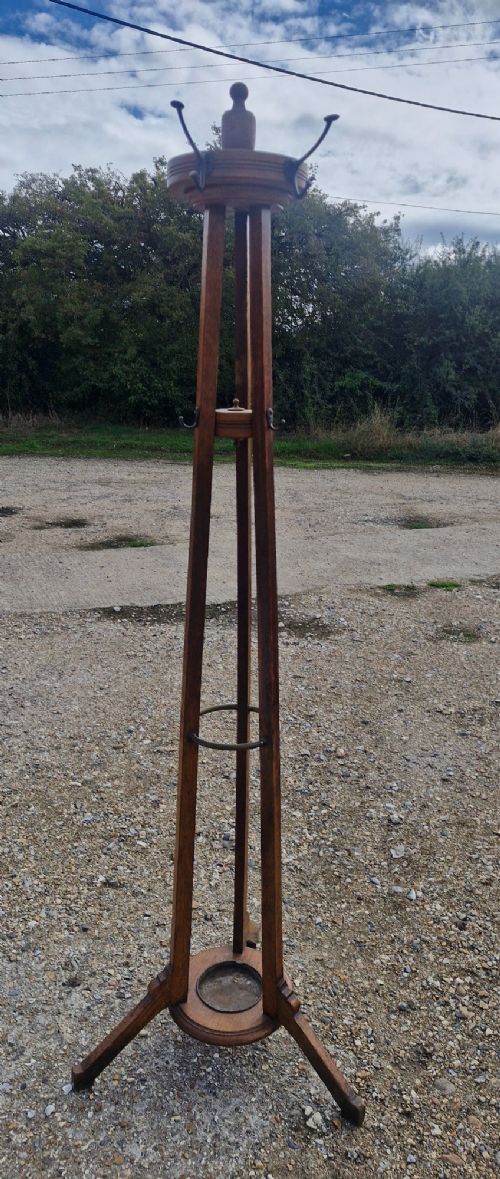
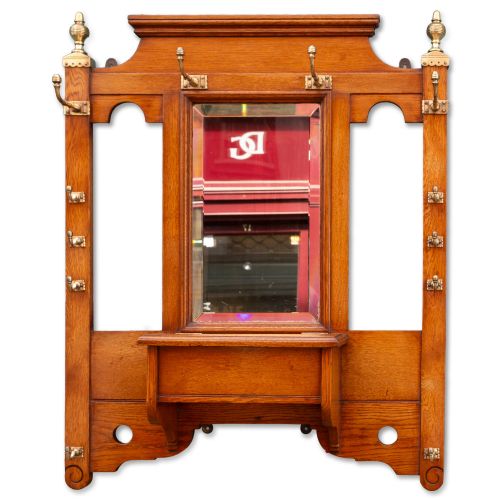
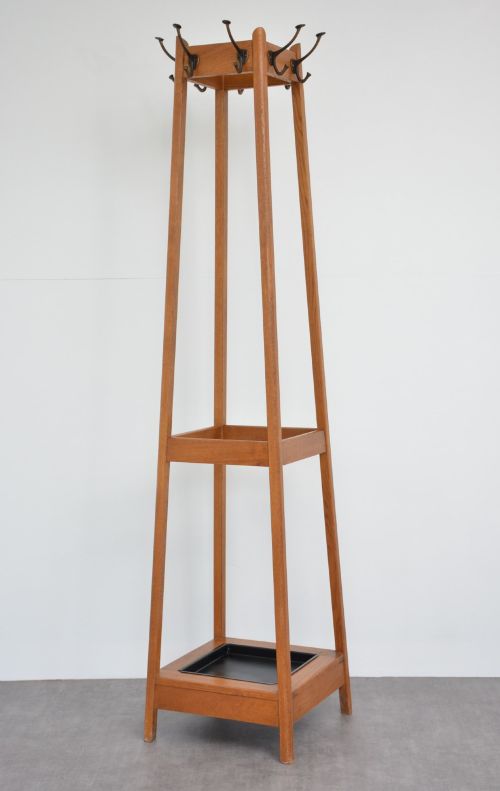
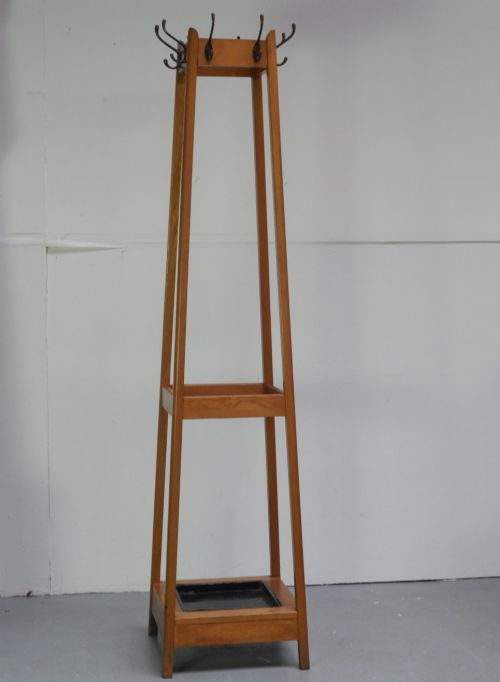
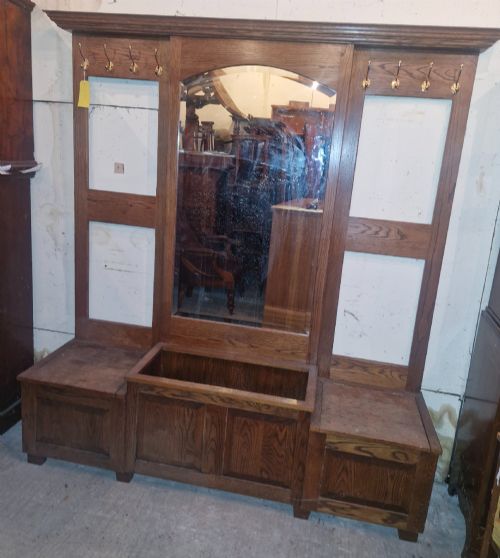
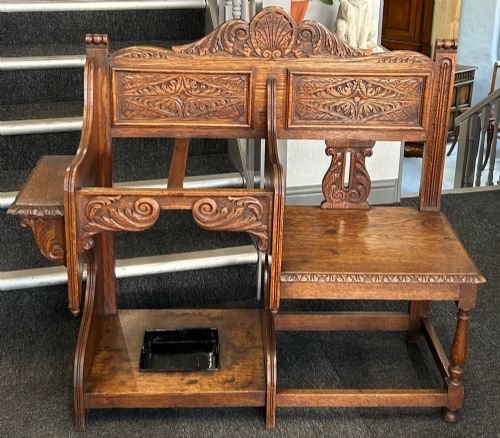
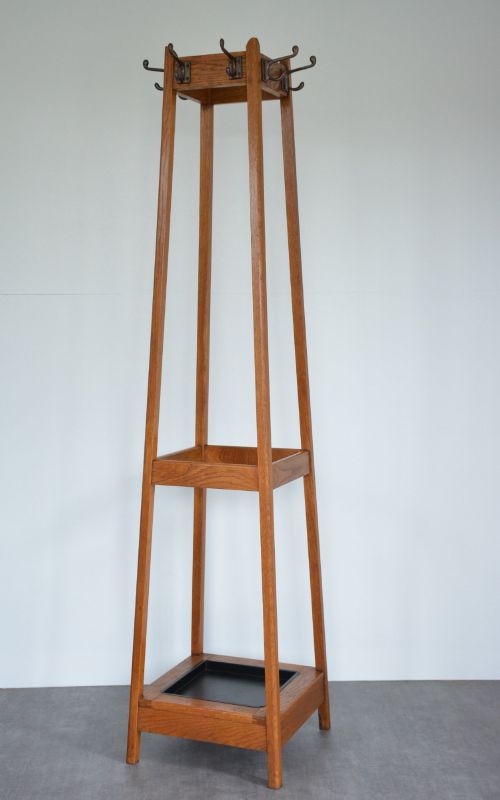
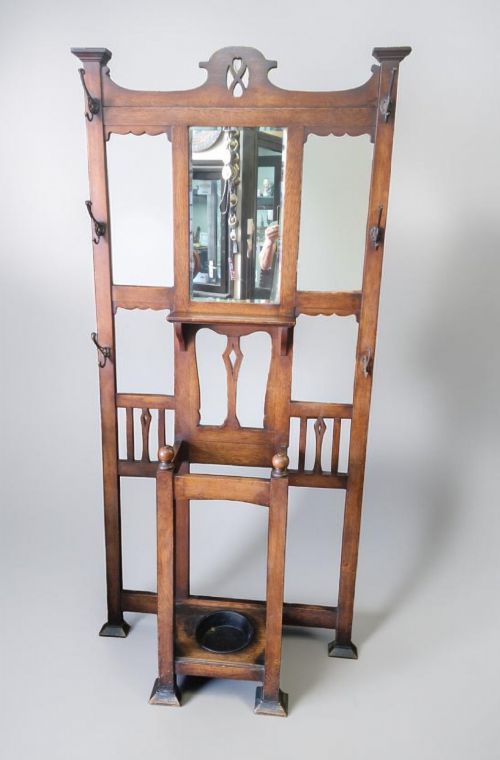
A vintage oak coat tree serves as a practical entryway piece designed for hanging hats, coats, and walking sticks, appearing across this page in various sturdy floor-standing and wall-mounted formats. Buyers searching for a vintage oak coat tree will frequently encounter grand hall stands featuring integrated umbrella holders, drip trays, and central mirrors alongside simpler revolving or upright structural columns. The selection spans the nineteenth century through the mid-twentieth century, encompassing distinct design movements from heavy Victorian carvings to clean Edwardian lines.
The architectural forms range from narrow nineteenth-century hall stands to expansive multi-functional hall seat combinations that incorporate storage compartments and carved wooden panels. Examples span diverse stylistic interpretations including Arts and Crafts simplicity, flowing Art Nouveau linework, and rugged English Industrial variations. Most pieces rely on solid oak construction, sometimes highlighted with golden tones, quarter-sawn figuring, or applied decorative elements like the Green Man motif.
Makers and manufacturers represented in the evidence include J. Parker of Woodstock and Fischel, alongside designated industrial workshops like Astrola. Dating primarily from the Victorian and Edwardian eras down to the nineteen-fifties, these items reflect the changing domestic requirements of British hallways over a century. Buyers select these stands to bring genuine period utility and robust timber character directly into contemporary entranceways.
Materials and construction methods
Makers constructed these coat trees predominantly from solid oak, utilising both native timber and imported varieties to achieve structural endurance. Joinery methods relied on traditional pegged mortise and tenon joints to withstand the heavy daily loads of wet coats and heavy winter garments.
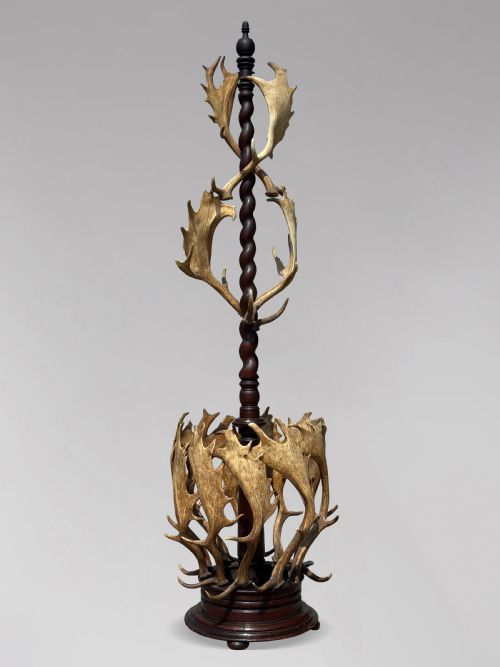
Secondary materials such as brass, cast iron, and metal hardware form the functional coat hooks, hanging pegs, and umbrella retainers. Functional additions include zinc or metal drip trays placed at the base to catch moisture from walking sticks and umbrellas, paired occasionally with inset bevelled mirrors and cow horn or antler embellishments.
Vintage Oak Coat Tree Retail Price Guide 2026
Typical asking prices for vintage oak coat tree among the pieces listed under this phrase on Sellingantiques today, from the lower quarter to the upper quarter. They describe what is for sale here now, not the wider market.
Materials documented across the inventory include solid oak paired with brass, cast iron, glass, marble, and organic elements like cow horn and antler.
Assessing build quality and condition
Quality in these pieces rests primarily on the integrity of the structural joinery and the preservation of the original timber finish. Superior examples display crisp, deep hand-carved detailing, such as intricate foliage or figural motifs, executed by skilled artisans rather than hurried mechanical routing.
The presence of original hardware, including matching brass or cast iron coat hooks and intact metal drip trays, elevates the historical completeness of a stand. Heavier, denser oak construction paired with stable base platforms ensures the upright trunk remains balanced under a full load of heavy garments.
J. Parker of Woodstock·Fischel·Astrola
The Vintage Oak Coat Tree Glossary
- Hall stand
- A large hallway item combining coat hooks, a hat shelf, a mirror, and umbrella storage with a low bench or seat. These pieces anchor an entrance hall by offering multiple organizational functions in one unified wooden structure.
- Arts and Crafts
- A design movement emphasising honest construction, visible joinery, and simplified functional forms. Pieces from this tradition avoid excessive ornamentation in favour of celebrating the natural grain of the oak.
- Art Nouveau
- A style defined by organic, flowing lines, plant-inspired motifs, and sinuous asymmetry. In these coat trees, the aesthetic appears in carved panel details and sweeping brass hook arrangements.
- Drip tray
- A shallow metal basin fitted into the base of a coat or umbrella stand to catch moisture. They protect wooden flooring from wet walking sticks and umbrella tips.
- Revolving hat and coat stand
- An upright timber column fitted with a rotating upper tier for garment hanging. This mechanism allows users to access coats from multiple angles in confined hallway spaces.
Vintage Oak Coat Tree: Frequently Asked Questions
How do I maintain a vintage oak coat tree?
Dust the timber regularly with a dry cloth and apply a quality beeswax periodically to nourish the dry oak grain. Avoid placing the stand directly beside central heating radiators to prevent the wood from splitting.
Check the stability of the base bolts or central fixings annually, as the weight of heavy coats can loosen joints over decades of domestic use.
Where should I place a hall stand at home?
Position the piece immediately inside your main entrance hall where wet coats, hats, and umbrellas accumulate upon arrival. Ensure there is adequate clearance around the stand so hooks and umbrella compartments remain easily accessible.
Consider the placement relative to natural light sources, as stands featuring integrated mirrors will help brighten darker narrow corridors.
How can I tell an Edwardian stand from a Victorian one?
Victorian stands typically feature heavier, darker oak timber with deep, elaborate carvings and dense architectural massing. They often incorporate heavy mirror frames and imposing crests designed for formal nineteenth-century interiors.
Edwardian examples tend to exhibit lighter golden oak finishes, cleaner structural lines, and slightly more restrained ornamentation reflecting a shift toward domestic airiness.
Are these coat trees stable enough for heavy winter coats?
Original period stands were engineered specifically to bear the substantial weight of thick wool overcoats, heavy capes, and wet waterproofs. Their heavy timber bases and solid upright columns provide the necessary counter-balance.
Distributing garments evenly around the hooks helps maintain optimal balance for tall upright hat and coat trees.