


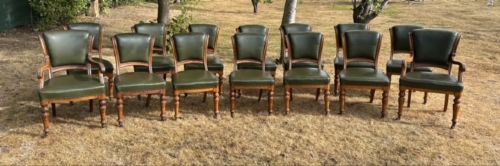
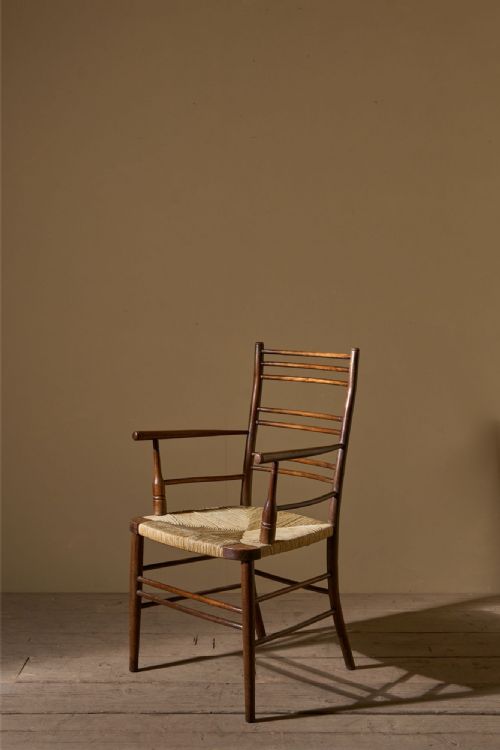
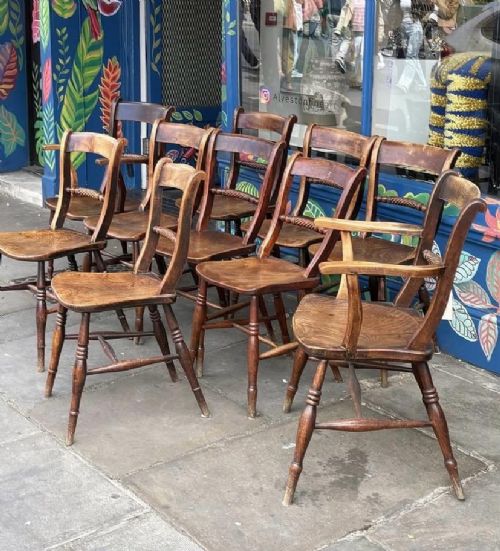
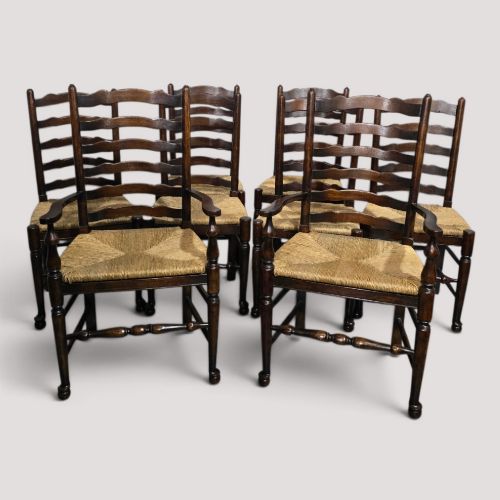
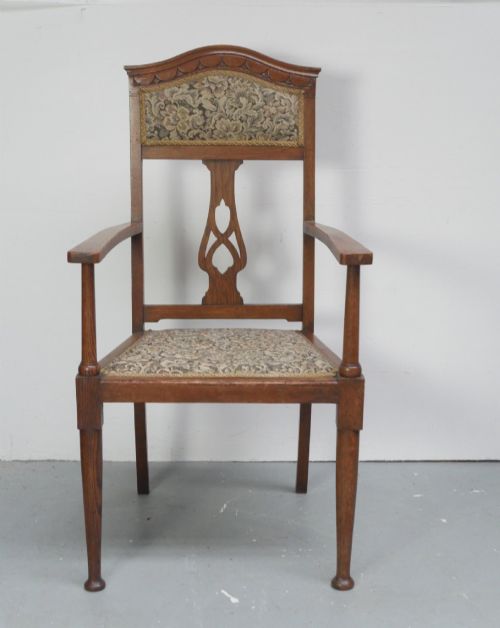
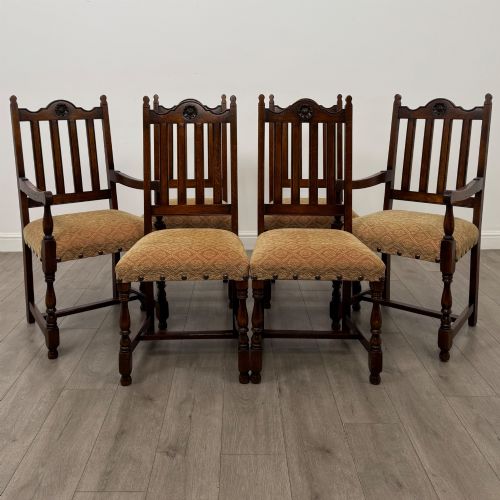
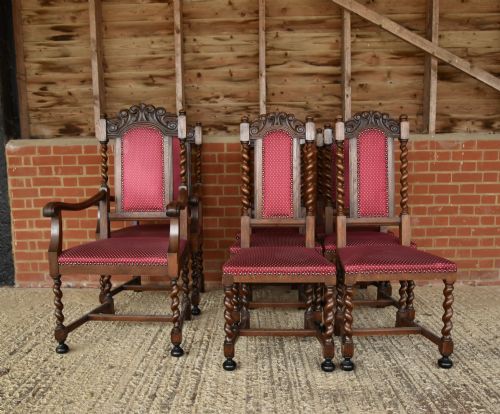
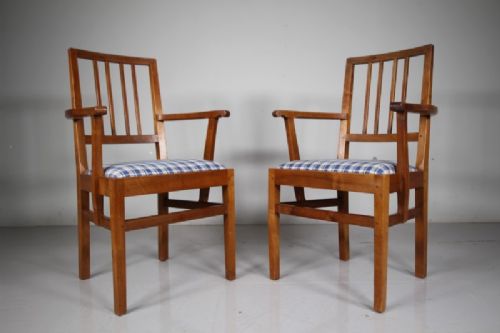
Vintage Oak Carver Chair
A vintage oak carver chair brings sturdy domestic history and solid timber construction directly into a modern dining room or study.

Vintage Oak Carver Chair
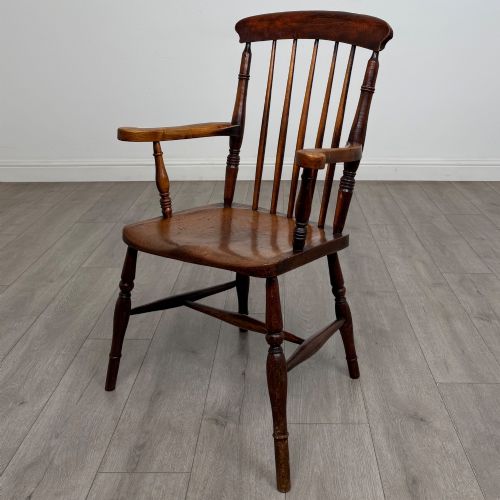
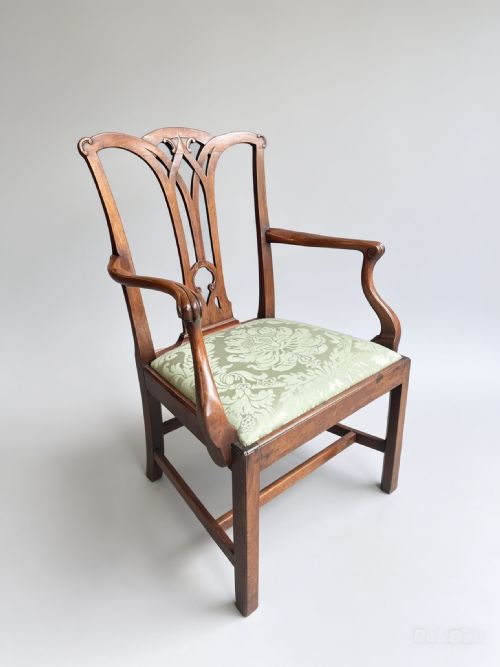
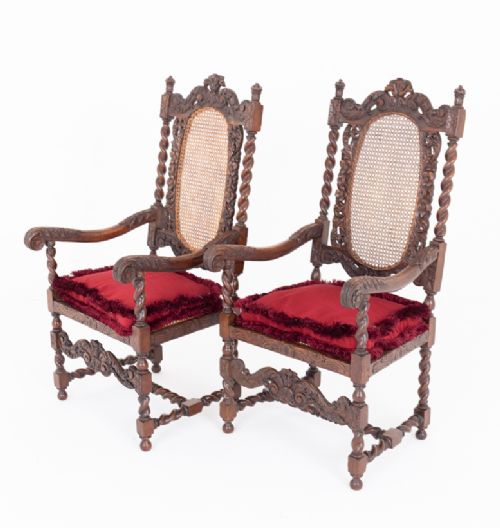
When you search for a vintage oak carver chair, you encounter a sturdy timber armchair designed originally for the head of a dining table or for fireside use. These pieces range from simple country vernacular forms like stick backs and windsors to grander revival styles including Jacobean, Carolean, and Gothic interpretations.
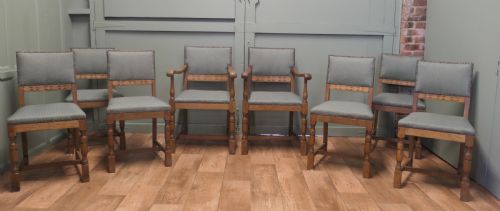
The versions most likely to meet you on this page date from the nineteenth and early twentieth centuries, spanning Victorian, Edwardian, and Arts and Crafts periods. They typically feature open arms built onto a standard dining chair frame, combining functional seating with prominent timber grain.
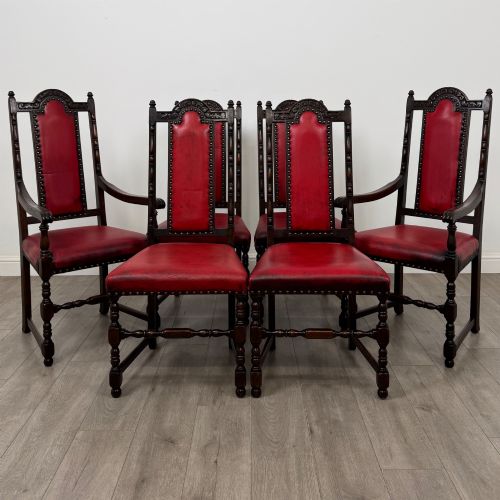
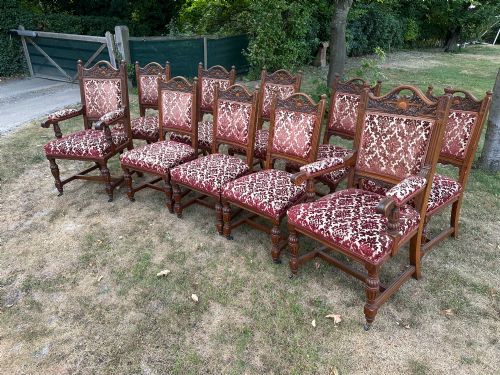
Makers often drew upon Georgian and seventeenth-century country traditions, resulting in pieces with ladder backs, rush seats, or turned barley twist legs. Whether single occasional armchairs or parts of larger dining sets, these items display the practical utility inherent in British domestic seating.
How they were made
Cabinet makers and country joiners relied primarily on solid oak for the structural frames, often supplemented by elm, ash, or beech for spindles and bentwood components. Timber was selected for durability, with quartersawn oak frequently utilised to display distinctive medullary ray figuring across the broad backs and armrests.
Traditional construction methods involved mortise and tenon joints, steam bending for curved chair backs, and wood turning for legs and stretchers. Seats were frequently fitted with rush, cane, or drop-in pads upholstered in leather, tapestry, or fabric, secured with brass studs.
Vintage Oak Carver Chair Retail Price Guide 2026
Typical asking prices for vintage oak carver chair among the pieces listed under this phrase on Sellingantiques today, from the lower quarter to the upper quarter. They describe what is for sale here now, not the wider market.
Listings feature oak carver chairs spanning the eighteenth, nineteenth, and twentieth centuries, encompassing Victorian, Edwardian, and Arts and Crafts styles.
What varies in quality
The distinction between standard commercial production and finer workshops lies in the selection of timber and the precision of hand carving. Chairs produced by notable designers or stamped by specific cabinet makers display superior joinery execution and more thoughtful proportioning in the arms and backrests.
Condition and originality dictate much of the character, particularly where rush or cane work has survived intact or where leather upholstery retains its natural patina. Pieces that maintain their original structural integrity without excessive timber replacement hold greater authority.
Edward Barnsley·W Williamson And Sons·Liberty Morris And Co·William Morris
The Vintage Oak Carver Chair Glossary
- Carver chair
- An armchair, traditionally placed at the head of a dining table to match a set of smaller side chairs. These items feature integrated armrests designed to accommodate clothing styles of earlier eras.
- Windsor chair
- A wooden chair constructed with a solid contoured seat into which the legs and back spindles are directly socketed. This form relies on steam-bent components and shaped timber rather than a traditional joined frame.
- Barley twist
- A type of furniture leg or stretcher carved in a spiral resembling a twisted rope. This decorative turning technique became especially popular during revival periods.
- Rush seat
- A seating surface woven from dried marsh rushes around a wooden frame. This traditional method creates a durable, textured pad commonly found on country and Arts and Crafts chairs.
- Stick back
- A chair design featuring plain vertical wooden spindles inserted into the seat and top rail. This vernacular style provides robust support with minimal ornamentation.
Vintage Oak Carver Chair: Frequently Asked Questions
What is a carver chair?
A carver chair is an armchair traditionally used at the head of a dining table alongside matching single chairs. The term distinguishes an armed seat from standard dining chairs.
These pieces provide additional comfort through integrated armrests while maintaining the stylistic height and design of the wider dining set.
How do I date an oak chair?
Dating relies on observing construction methods, timber characteristics, and stylistic revival cues. Tool marks, joint types, and the method of securing seats offer primary clues.
Victorian and Edwardian versions often incorporate machine-cut elements, whereas eighteenth-century examples display entirely hand-forged joinery and specific regional turning patterns.
Are rush seats durable?
Rush seats woven from natural marsh grasses offer surprising resilience under normal domestic use. They flex slightly with weight and distribute pressure evenly across the frame.
Maintenance involves keeping them dry and occasionally applying boiled linseed oil to preserve the flexibility of the dried plant material.
What is an Arts and Crafts armchair?
An Arts and Crafts armchair emphasises honest construction, visible joinery, and the natural grain of materials like oak. These pieces avoid excessive machine ornamentation.
Designers in this tradition focused on utility and hand craftsmanship, frequently pairing solid timber frames with rush or simple leather seating surfaces.