
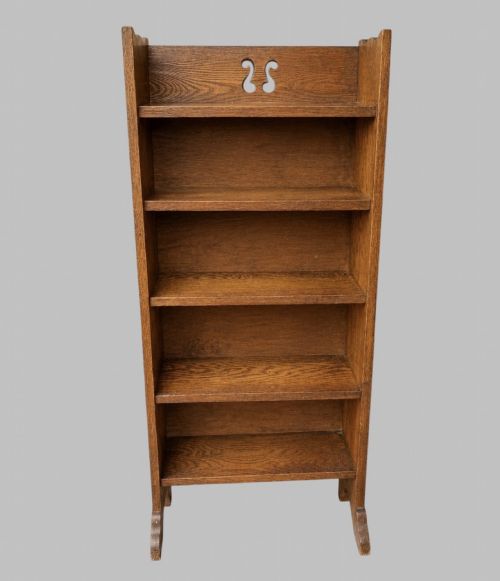


Vintage Oak Bookstand
A vintage oak bookstand offers a sturdy and practical home for your volumes, drawing on Edwardian and Victorian designs.
Vintage Oak Bookstand
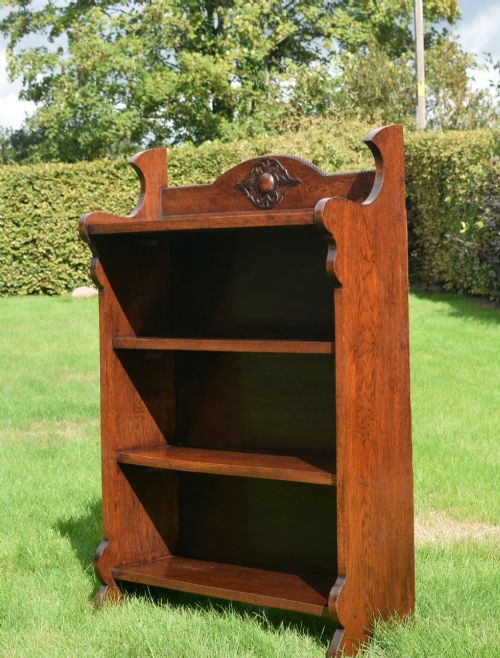
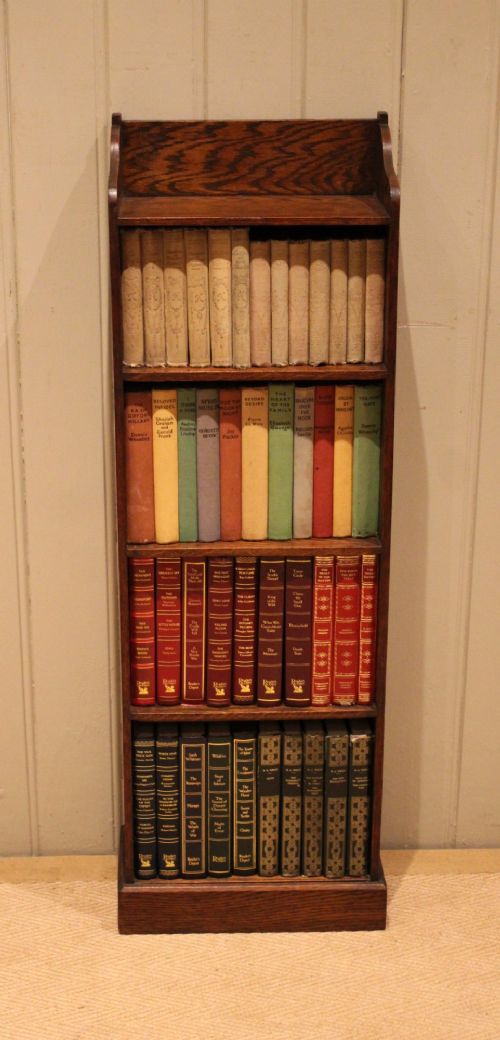
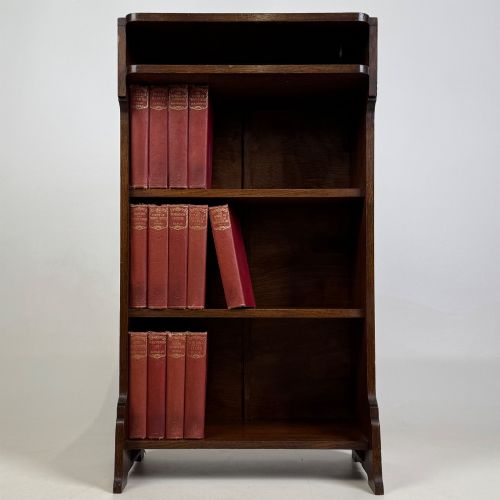
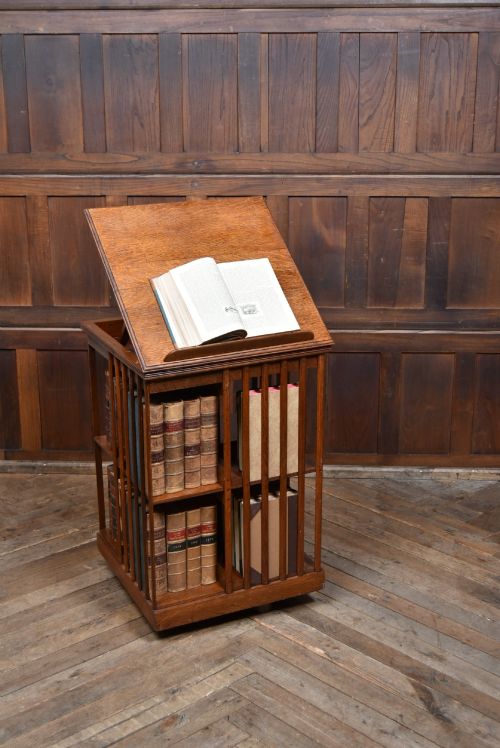
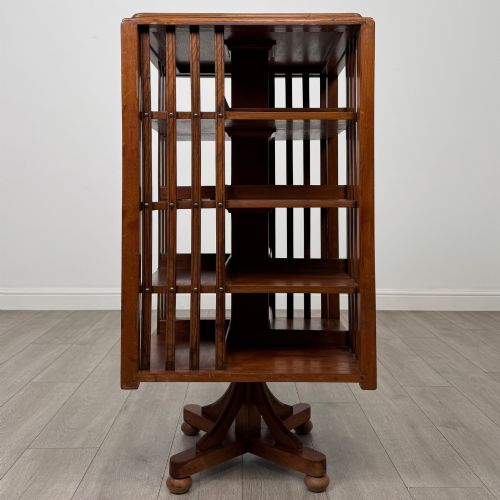
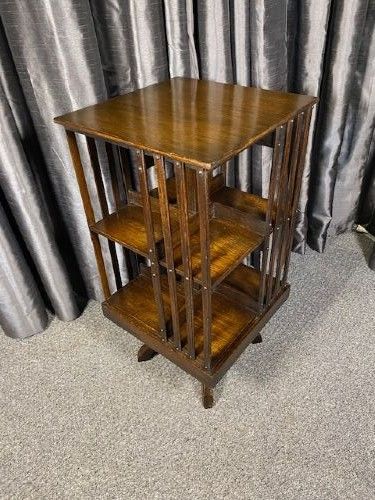
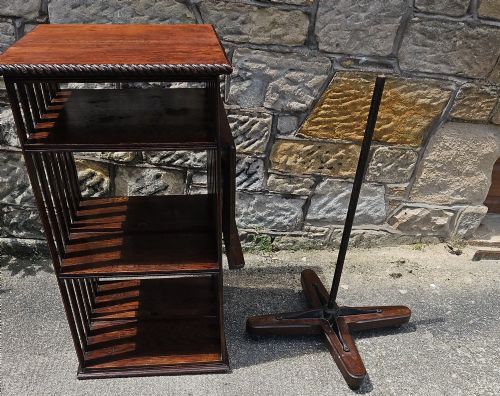
When you search for a vintage oak bookstand, you encounter a selection of open bookcases, revolving bookcases, and extending book slides. These pieces originate from periods spanning the Victorian era through the Edwardian years and into the 1930s.
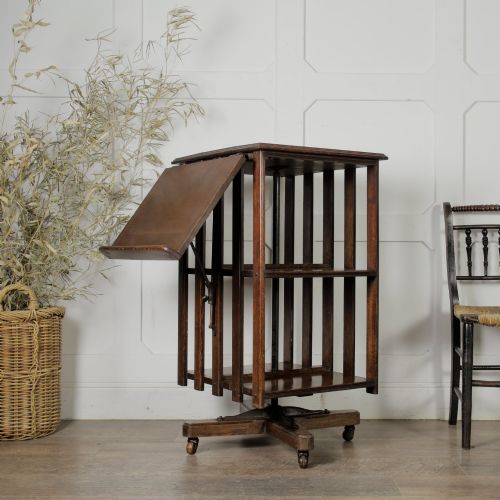
The version you are most likely to meet on this page is the revolving bookcase, usually fashioned from solid oak or mahogany and frequently dated to the Edwardian period. Alongside these rotating designs, open front bookcases and desk accessories provide compact storage options for smaller spaces.
Makers and workshops of the Arts and Crafts style also contributed to this category, producing open bookcases with decorative cut-outs or attributes associated with firms like Heal's. Each form serves the practical purpose of holding books upright while displaying the natural grain of the timber.
How they were made
Makers relied principally upon oak as the primary timber, occasionally utilising mahogany alongside it for specific pieces or revolving mechanisms. Solid construction techniques ensured these items could bear the weight of heavy volumes over decades of daily use.
Metal components such as cast iron, iron, and brass appear in the hardware, internal rotating frames, and extending book slides. Decorative elements include carved details and decorative cut-outs worked directly into the wooden panels.
Listings span periods from Victorian and Edwardian years through to 1930, featuring oak, mahogany, cast iron, and brass.
What varies in quality
The distinction between standard examples and finer pieces lies in the selection of timber and the complexity of the joinery. Solid oak pieces with substantial proportions and smooth revolving actions represent a higher grade of manufacture.
Design flourishes such as carved ornamentation, decorative cut-outs, and attribution to known workshops like Heal's elevate certain open bookcases and revolving models above utilitarian items.
The Vintage Oak Bookstand Glossary
- Revolving bookcase
- A freestanding bookcase designed to rotate on a central base for easy access to books from any angle. These typically feature square or circular tiers.
- Book slide
- An adjustable desk accessory designed to hold a small row of books upright between two expanding ends. They frequently incorporate wooden frames with brass or metal adjustments.
- Arts and Crafts
- A design movement focusing on traditional craftsmanship, simple forms, and visible construction methods. Pieces from this style often feature unpretentious oak surfaces and geometric cut-outs.
- Edwardian
- A stylistic period spanning the reign of King Edward VII until the First World War. Furniture from this era often lighter in proportion than Victorian precedents.
Vintage Oak Bookstand: Frequently Asked Questions
What is a revolving bookcase?
A revolving bookcase is a rotating tier unit designed to sit on a floor or tabletop. It allows users to store and access volumes from multiple sides within a compact footprint.
Most examples seen here date from the Edwardian period or the early twentieth century, constructed primarily in oak with a central internal mechanism.
Are these bookcases made of solid oak?
Many of the pieces listed are described as solid oak, particularly the revolving models and open bookcases from the Edwardian era. Timber selection was central to the construction of these sturdy domestic items.
Other materials like mahogany, brass, and cast iron also appear in supporting roles for mechanisms and decorative slides.
How do I identify an Edwardian bookcase?
Edwardian bookcases often display lighter proportions than earlier Victorian pieces while retaining solid oak construction. They frequently take the form of revolving bookcases with slatted or panelled sides.
Makers working in this period also produced open bookcases of small or tall proportions suitable for domestic studies.