


Vintage Nude Wall Art
Vintage nude wall art brings intimate figure studies into domestic spaces, drawing on decades of academic and modernist draughtsmanship.
Vintage Nude Wall Art
Vintage nude wall art encompasses framed paintings, drawings, and photographs produced across the twentieth century. These works range from academic life studies to Fauvist and Mid-Century Modern interpretations of the human form.
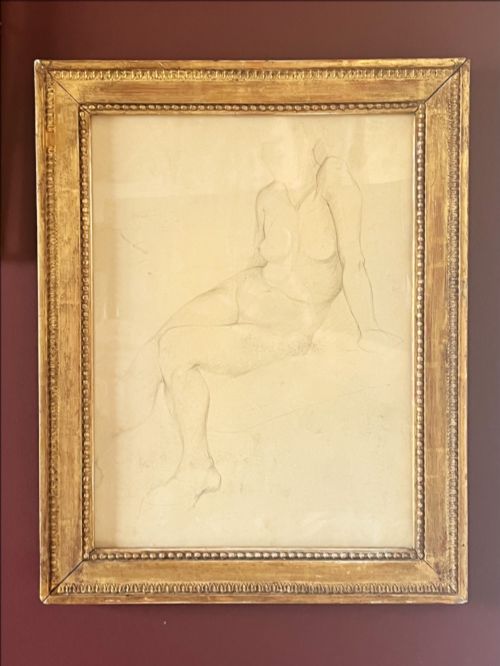
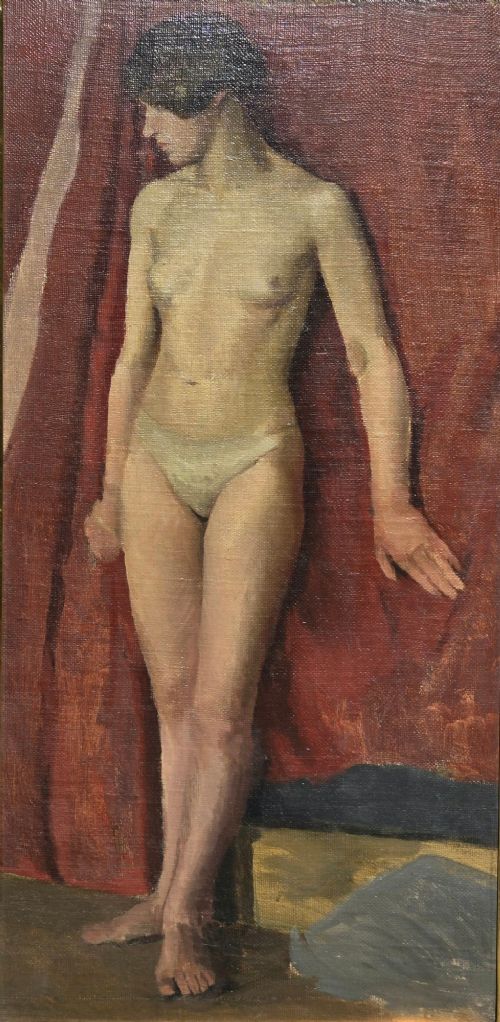
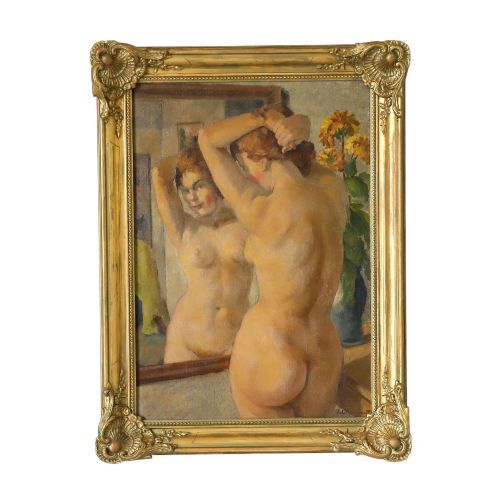
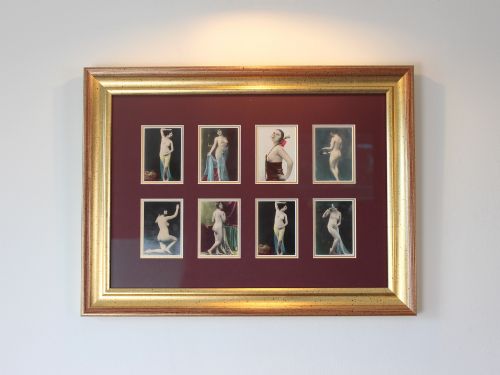
Buyers will encounter oil paintings on canvas and paper alongside pencil drawings, charcoal studies, and hand-tinted photographic prints. Pieces frequently arrive in period frames of wood or gilt, reflecting the design sensibilities of their decade.
Origins span British, French, and Swedish studios, capturing shifts in artistic convention from the 1900s through to the 1960s. The selection reflects both formal academic submission pieces and informal modernist sketches.
Materials and construction
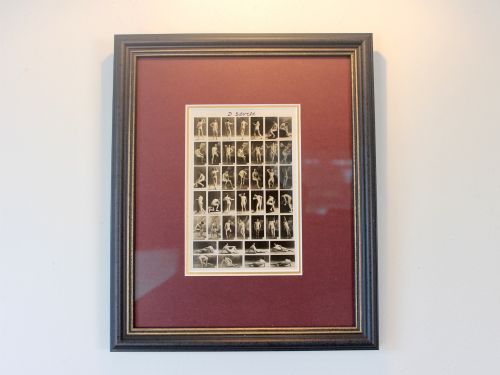
Artists painted in oils on canvas or paper, applied watercolours and gouache, and worked with charcoal, pastel, and pencil for intimate life studies. Photographic works relied on gelatin silver contact sheets and collotype printing techniques.
Mounting and framing utilised wood and glass to protect delicate paper works and oil surfaces. Gilt frames often complement early twentieth-century academic and Art Deco pieces.
Academic realism and Art Deco aesthetics sit alongside modernist oil paintings on canvas and paper.
Assessing quality and execution
Quality rests upon the draughtsmanship and the confidence of the brushwork in capturing anatomy and light. Works displaying secure proportion and tonal balance outclass rigid or hesitant compositions.
The relationship between the artwork and its period frame influences the overall integrity of the piece. Original period framing preserves the historical context of the work far better than later replacements.
Winifred Rymer Standing·Philippe de Rougemont·Julian Mandel·Raymond Moritz·Tony Giles·Gaetan Dumas·James Clark·Peter Jackson·Pablo Picasso·Raymond Arthur Roadnight·Kees van Dongen
The Vintage Nude Wall Art Glossary
- Collotype
- A planographic printing process using gelatin, capable of producing highly detailed monochrome or colour photographic reproductions. This technique was frequently utilised for fine art prints in the early twentieth century.
- Academic Realism
- A style of painting and sculpture produced under the influence of European academies of art, prioritising precise anatomical correctness and traditional finish. Pieces often emerged from formal submission studies.
- Fauvism
- A loose style of early twentieth-century modern art emphasising painterly qualities and strong colour over the representational values retained by impressionists. Works in this manner display vigorous brushwork and bold palettes.
- Intimist
- A style focusing on domestic interior scenes and private moments, often associated with post-impressionist painters. These compositions capture quiet, unposed figures within intimate domestic settings.
- Provenance
- The chronology of the ownership and origin of an item, establishing its authenticity and historical path. Documented authorship adds significant clarity to twentieth-century works.
Vintage Nude Wall Art: Frequently Asked Questions
How do I date a vintage nude painting?
Dating relies on stylistic markers such as Art Deco geometry or Fauvist brushwork, alongside framing materials and artist signatures. Archival records and documented exhibition dates help narrow the period.
Changes in photographic paper and printing techniques also provide reliable chronological clues for prints and contact sheets from the early decades of the century.
Where should I hang these pieces?
These works suit private rooms, studies, or hallways where lighting can be controlled to protect fragile paper and canvas from direct sunlight. Pairing them with period wooden furniture enhances their historic character.
Ensure pieces under glass are positioned away from damp environments to preserve both the backing materials and the original frames.
What is the difference between an oil painting and a study?
Studies are typically executed quickly in pencil, charcoal, or pastel to capture posture and gesture before developing a larger composition. Finished oil paintings involve layered pigments on canvas or paper with greater attention to background and finish.
Both forms hold distinct collector appeal, with studies offering a direct insight into the artist's working process.
How do I care for framed works on paper?
Keep works away from direct heat sources and high humidity to prevent paper buckling and foxing. Acid-free backing boards and UV-filtering glass provide essential protection during framing.
Dust wooden and gilt frames gently with a dry, soft cloth without applying liquid cleaning agents directly to the surfaces.