
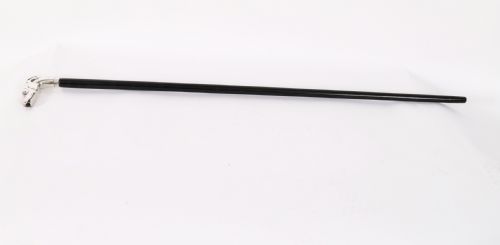


Vintage Novelty Walking Cane
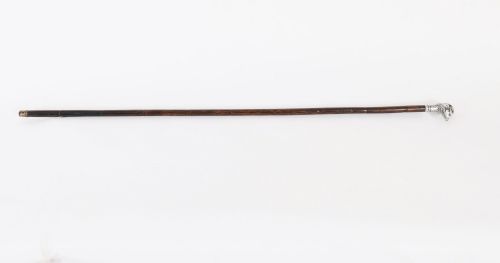
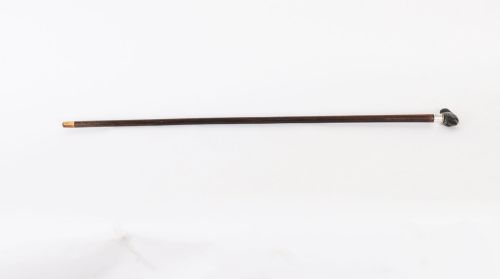
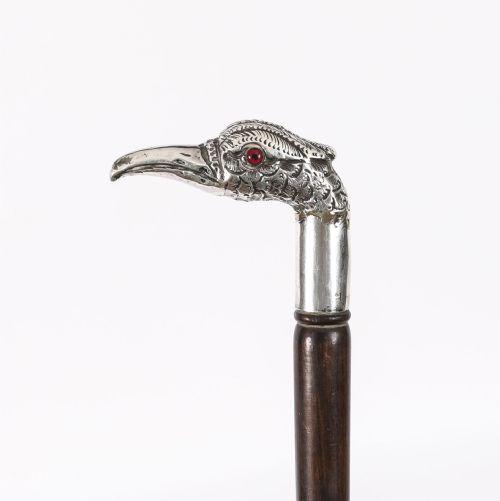
A vintage novelty walking cane carries a hidden function, a carved animal head or an ingenious mechanism beneath a gentleman's hand.
Vintage Novelty Walking Cane
A vintage novelty walking cane combines practical support with unexpected disguise, often housing a concealed blade, a functional corkscrew or an optical instrument within the shaft. These pieces emerged across the nineteenth and early twentieth centuries, spanning Victorian, Edwardian and Art Deco periods.
Beyond animal handles, the selection includes specialised gadget sticks configured as golf clubs, telescopes or opera glasses. Each piece reflects the playful ingenuity and social standing of the gentlemen and ladies who carried them.
How they were made
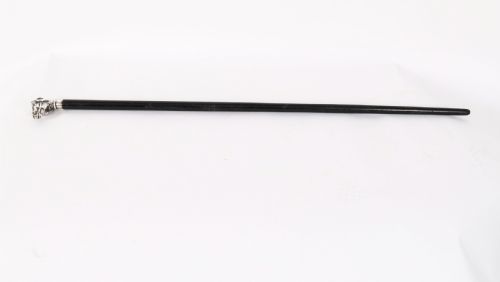
Maker's workshops shaped shafts from dense materials like snakewood, hardwood and ebonised wood to ensure structural rigidity. Metal components, particularly silver handles and internal sword blades, required skilled casting and forging techniques.
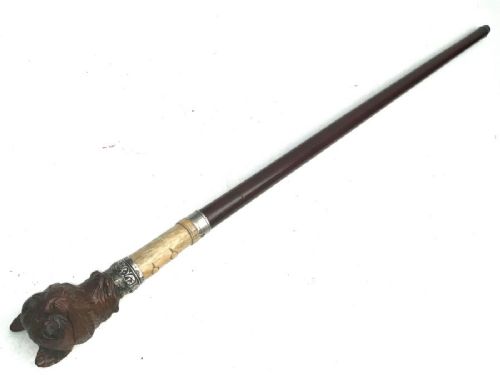
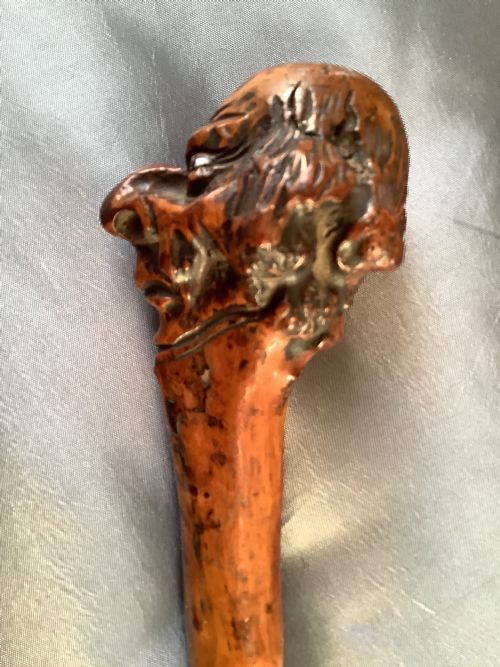
Carvers shaped organic materials such as bone, horn and fruitwood by hand to create expressive handles like clenched fists or domestic animals. Articulated elements and hidden mechanisms demanded precise engineering to conceal corkscrews, telescopes and blades securely within the shaft.
Materials across these listings include silver, hardwood, horn, bone, glass and snakewood, spanning Victorian, Edwardian and Art Deco styles.
What varies in quality
Quality rests primarily in the sculptural ambition of the handle and the execution of any hidden mechanism. Master carvers and silversmiths achieved anatomical precision and lifelike expressions on animal heads, whereas simpler pieces relied on mass-produced castings.
The choice of materials dictates the standing of the piece, with dense snakewood and hallmarked silver elevating a cane above standard ebonised wood and base metal variants. The seamless integration of a concealed sword, watch or corkscrew demonstrates superior craftsmanship.
The Vintage Novelty Walking Cane Glossary
- Novelty cane
- A walking stick incorporating a hidden mechanism, unusual handle or disguised function such as a sword or telescope. These pieces prioritised amusement and utility over simple support.
- Sword stick
- A cane housing a concealed blade within the wooden shaft, released by a catch or screw mechanism. Gentlemen carried these for self-defence during the nineteenth century.
- Ebonised wood
- Timber treated with a dark stain or finish to imitate ebony. This material provided a uniform, sophisticated appearance for walking stick shafts.
- Pommel
- The rounded knob or decorative handle at the top of a walking stick. Makers shaped pommels from silver, horn, bone and carved fruitwood.
- Black Forest
- A regional style of wood carving originating from the mountainous region of Germany, noted for realistic animal sculptures. Pieces in this manner display intricate texture and lifelike anatomical detail.
Vintage Novelty Walking Cane: Frequently Asked Questions
How do I find the hidden sword?
Most sword sticks utilise a subtle release mechanism, such as a threaded collar or a spring-loaded catch near the handle, allowing the blade to slide smoothly from the wooden shaft.
Examine the upper section of the cane closely for discreet joins or seams that indicate where the handle separates from the body.
What materials were used for handles?
Handles were commonly fashioned from solid silver, carved bone, horn and various fruitwoods to depict animals or human forms. Silversmiths often cast detailed animal heads, while folk art carvers worked directly in organic media.
The choice of material typically reflected the social status of the original owner and the workshop's origin.
How do I date a walking cane?
Dating relies on stylistic markers such as Art Deco geometric lines or Victorian naturalism, alongside any silver hallmarks stamped onto the metal mounts. Maker's marks and patent dates provide precise chronological anchors.
The materials and construction methods also point toward specific decades like the eighteen-eighties or nineteen-hundreds.
Were these canes used every day?
Gentlemen and ladies carried these pieces as fashionable accessories for daily promenades, social calls and outdoor sporting events. Novelty canes served as conversation starters and demonstrations of personal wit.
Gadget sticks with hidden tools offered practical assistance during travel and leisure pursuits.