



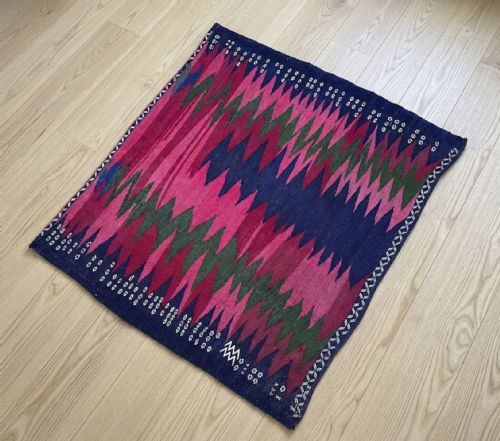


Vintage Nomad Rug
A vintage nomad rug brings tactile tribal character into a room, offering rich regional designs woven by pastoral communities across Persia, the Caucasus, and Central Asia.
Vintage Nomad Rug
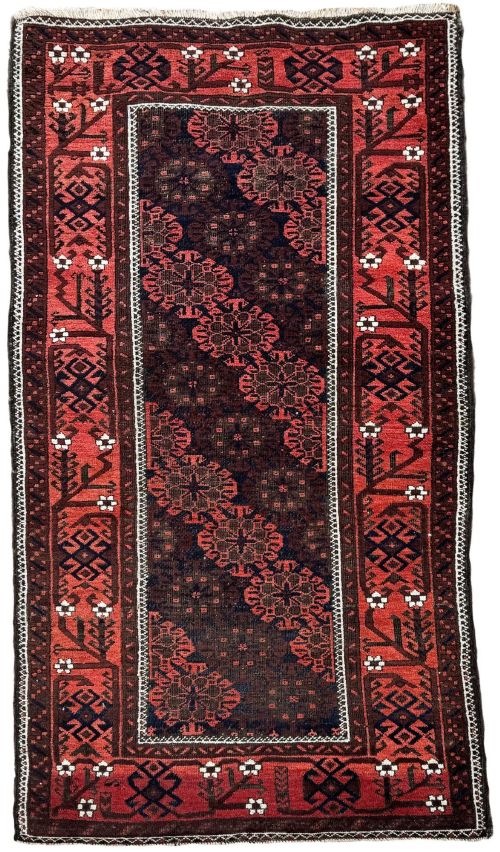
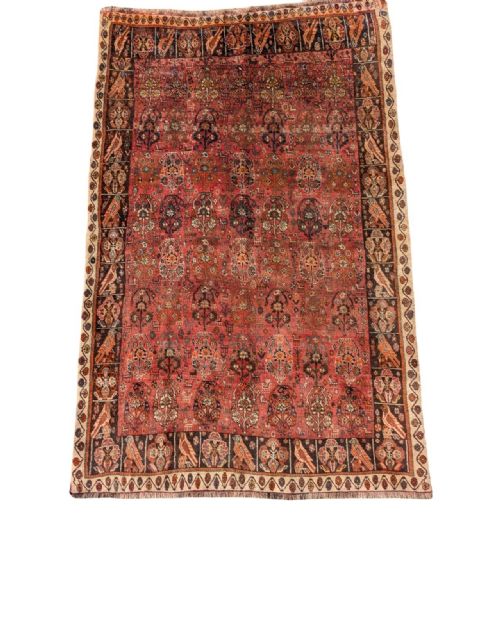
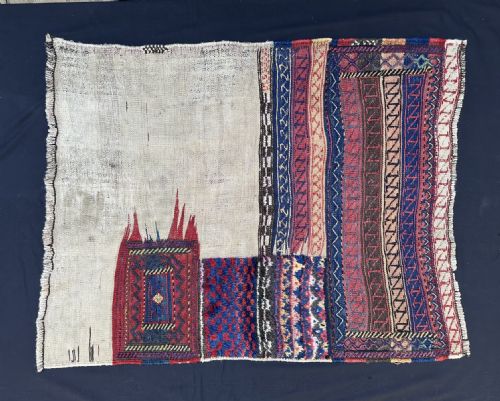
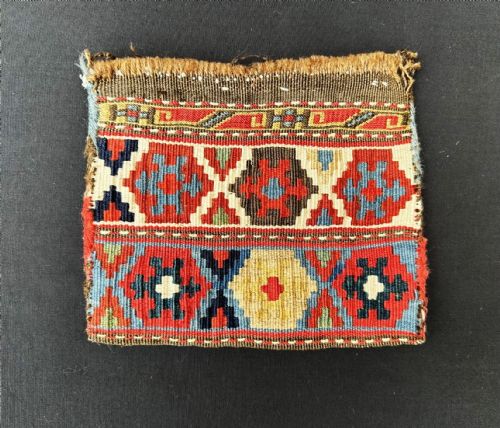
A vintage nomad rug encompasses floor coverings, flatweaves, and utilitarian bags created by tribal groups such as the Qashqai, Afshar, Shahsevan, and various Turkmen tribes. These pieces reflect the specific weaving traditions of regions like Fars, Kerman, Azerbaijan, and the Caucasus.
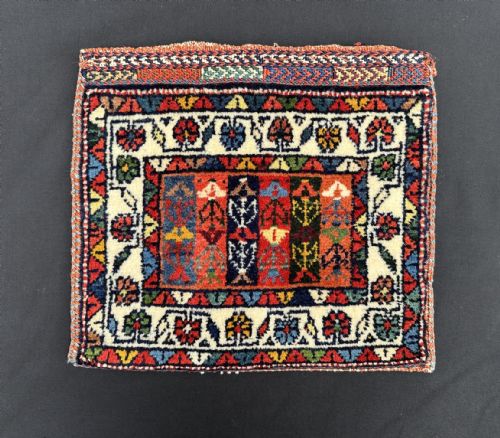
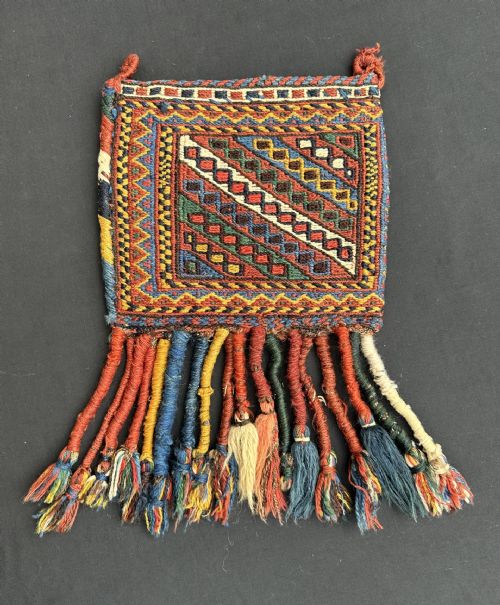
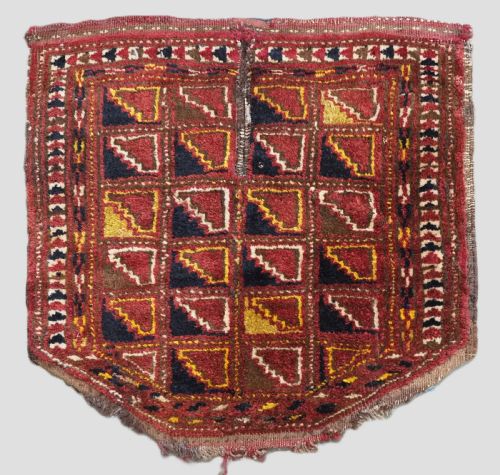
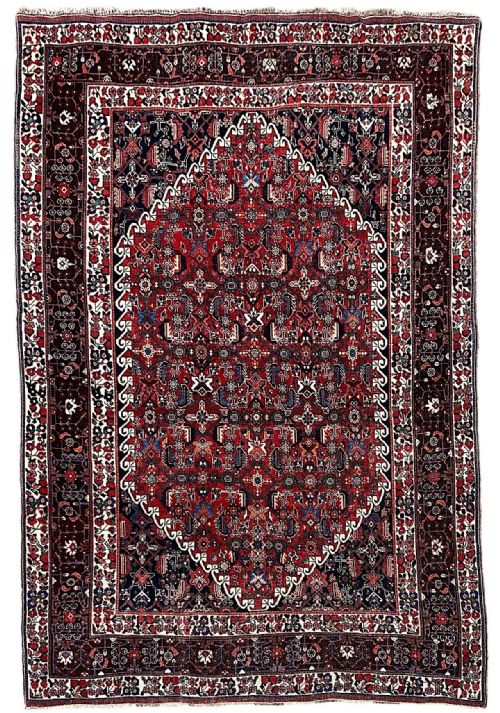
The selections available range from full-sized carpets and runner rugs down to smaller tribal textiles like torba faces, saddle bags, bread sofreh, and vanity bags. Buyers encounter formats spanning from room-sized carpets to intricate small bags that served practical daily functions within nomadic households.
Originating predominantly from the nineteenth and early twentieth centuries, these textiles utilise traditional regional motifs including geometric medallions, dragon and phoenix patterns, and repetitive tribal güls. Each piece demonstrates the distinctive aesthetic vocabulary of the specific tribe that produced it.
Materials and construction methods
Construction relies primarily on wool, hand-spun wool, camel wool, and cotton foundations, utilising materials locally available to pastoralists. Hand-spun wool provides the tactile warmth and durability characteristic of genuine tribal weaving.
Colour derives from natural dyes applied to the fleece before weaving, producing deep, varied tones that mature gracefully over decades. Textile creation incorporates both pile-woven knots and flat-woven techniques such as kilim construction and mixed-technique formats.
Vintage Nomad Rug Retail Price Guide 2026
Typical asking prices for vintage nomad rug among the pieces listed under this phrase on Sellingantiques today, from the lower quarter to the upper quarter. They describe what is for sale here now, not the wider market.
Nomadic weavers occasionally incorporated whimsical animal figures and pillars of Persepolis into their tribal patterns.
Distinctions in quality and execution
Quality separates along the precision of knotting, the handling of wool, and the complexity of the design layout. Superior examples display dense pile construction, crisp geometry in motifs like the compartment or diamond medallion design, and well-balanced proportions.
The depth and brilliance of natural dyes dictate visual success, with finer pieces showing subtle abrash where dye batches shift organically across the field. Structural integrity of the original wool foundations and surviving borders also distinguishes exceptional examples from heavily worn specimens.
The Vintage Nomad Rug Glossary
- Sofreh
- A flat-woven cloth used primarily for kneading bread or serving meals within nomadic households. These textiles frequently feature striking geometric field arrangements.
- Torba
- A small storage bag or trapping produced by Turkmen groups, usually displaying specific tribal güls on the face. They hung inside tents to store personal belongings.
- Kilim
- A tapestry-woven carpet or flatweave produced without a pile. The technique creates crisp, geometric patterns visible on both sides of the textile.
- Abrash
- Variations of colour within a single field of a rug, caused by distinct batches of natural dye or shifts in hand-spun wool lots. It indicates traditional dyeing methods.
- Gül
- A repeating octagonal medallion motif used extensively by Turkmen and Central Asian tribes. Each design identifies the specific tribal sub-group that wove the textile.
Vintage Nomad Rug: Frequently Asked Questions
How do I identify a nomad rug?
Examine the materials and design motifs, which typically feature hand-spun wool, natural dyes, and geometric tribal patterns rather than formal court designs.
Look for asymmetric tribal layouts, regional symbols such as güls, and variations in weave structure characteristic of pastoral production.
Where were these rugs made?
These textiles originate from regions across Persia, the Caucasus, and Central Asia, created by migrating or settled tribal groups.
Specific production centres include Fars province, Kerman province, Azerbaijan, and areas inhabited by Qashqai, Afshar, Shahsevan, and Turkmen communities.
Can I use utility bags as decor?
Utility bags, saddle covers, and bread sofreh function effectively as small wall hangings, table runners, or accent pieces in contemporary interiors.
Their robust construction and varied formats allow them to integrate easily into diverse living spaces as tactile textile art.
What materials were used?
Weavers relied on locally sourced materials, predominantly sheep wool, hand-spun wool, camel wool, and cotton foundations.
Colour was achieved using natural dyes derived from plants and minerals, which interact with the wool to create rich patination over time.