




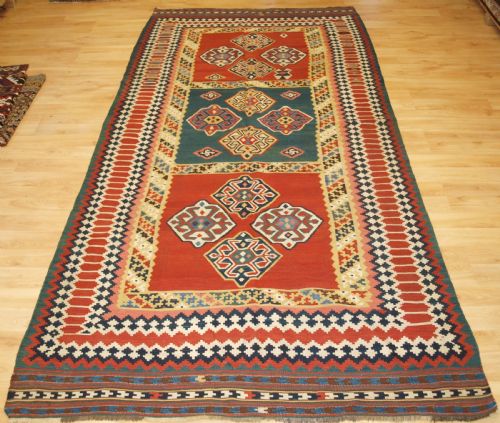


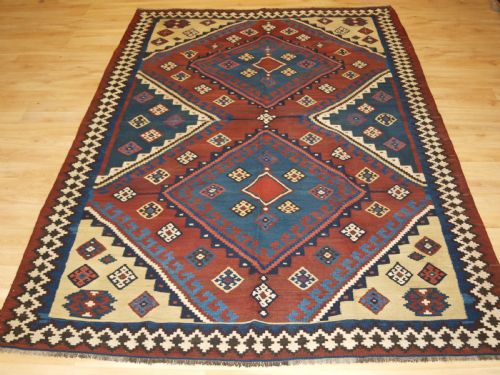
Vintage Nomad Carpet
A vintage nomad carpet brings the geometric motifs and storytelling designs of tribal weavers into modern spaces.
Vintage Nomad Carpet
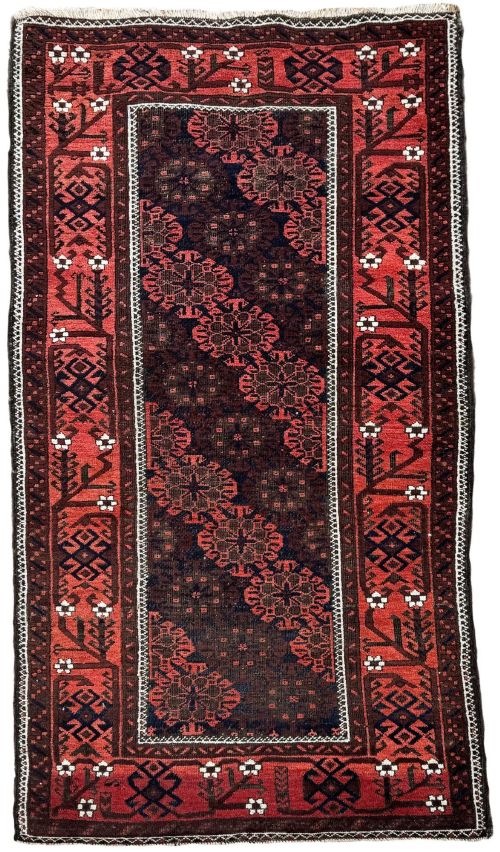
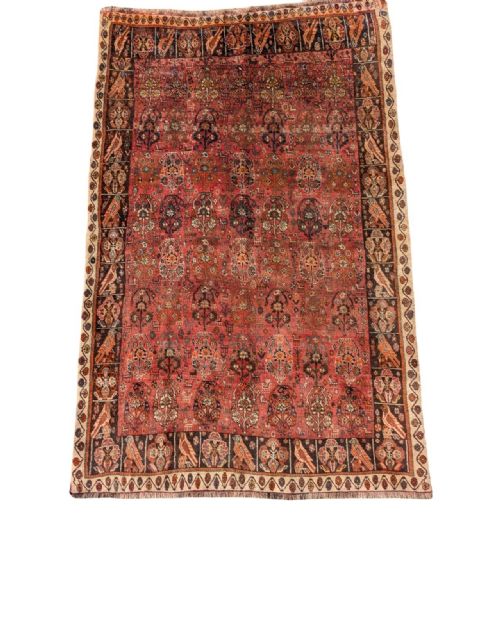
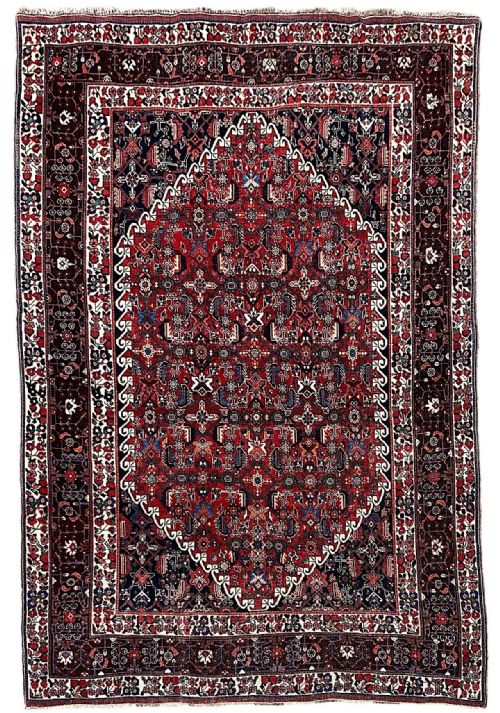
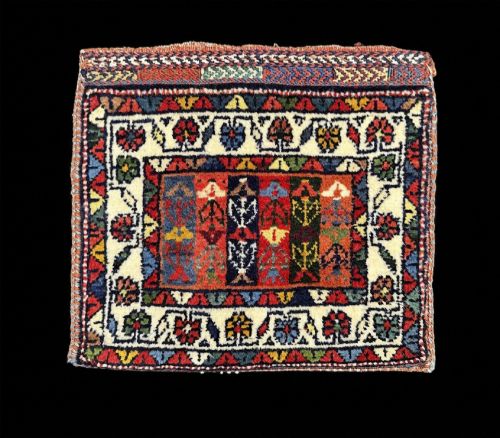
A vintage nomad carpet represents the weaving traditions of tribal groups across Persia, the Caucasus, and Central Asia from the nineteenth and early twentieth centuries. These textiles include room-sized carpets, long runners, mats, and utilitarian items such as torbas and bag faces.
Buyers seeking a vintage nomad carpet will find pieces originating from specific groups including the Qashqai, Afshar, Tekke Turkmen, and Kurdish tribes. Their forms range from flat-woven kilims to pile rugs with intricate geometric medallions and animal motifs.
The aesthetic of these floor coverings relies on repeated tribal symbols, asymmetrical layouts, and regional palettes developed by pastoral communities. Each piece records the design vocabulary of the specific tribal weavers who knotted or wove them.
Materials and construction methods
The construction of these textiles relies primarily on wool, with hand-spun wool and camel wool frequently utilised for the pile and foundation yarns alongside cotton. Natural dyes provide the enduring colour palette characteristic of nineteenth and early twentieth-century tribal weaving.
Weavers constructed these pieces using horizontal or vertical floor looms, employing various knotting techniques or flat-weave methods depending on whether the object was a pile rug or a kilim. Mixed technique constructions also appear, combining pile and flat-weave sections within a single textile.
Vintage Nomad Carpet Retail Price Guide 2026
Typical asking prices for vintage nomad carpet among the pieces listed under this phrase on Sellingantiques today, from the lower quarter to the upper quarter. They describe what is for sale here now, not the wider market.
Some nineteenth-century nomads wove tiny flying creatures and stylized dragons directly into their carpets to ward off the evil eye.
Evaluating quality in tribal textiles
Quality in these carpets rests on the fineness of the weave, the clarity of the tribal motifs, and the depth of the natural dyes used by the maker. Tighter knot counts and precise geometric execution distinguish the finer examples from simpler utilitarian pieces.
The integrity of the wool and the survival of original borders and selvedges influence the structural strength of the textile. Pieces that retain their full design geometry and vibrant natural dye saturation stand apart within the available selection.
The Vintage Nomad Carpet Glossary
- Torba
- A small storage bag face produced by Turkmen tribes, traditionally hung inside a yurt to store household goods. These rectangular pieces often feature characteristic gul motifs.
- Chuval
- A large storage bag made by Turkmen weavers, wider than a torba and designed for bedding and clothing storage. They display elaborate secondary guls and border patterns.
- Gul
- A medallion motif used repeatedly across Turkmen and Central Asian carpets. Each tribal group utilises distinct repeating octagonal or geometric gul designs.
- Kilim
- A flat-woven textile produced without a pile, created by tightly interweaving warp and weft threads. These lightweight pieces often display sharp geometric compartments and eye-dazzler patterns.
Vintage Nomad Carpet: Frequently Asked Questions
How do I identify a Qashqai rug?
Qashqai carpets originate from the Fars province of south-west Persia and typically feature diamond medallions, animal figures, and rich madder-red grounds. Their designs often incorporate stylized representations of local architecture or traditional tribal iconography.
Look for fine wool foundations, characteristic dark blue and red palettes, and distinct geometric border arrangements that set them apart from Kurdish or Afshar tribal work.
What is a bag face?
A bag face is the decorative front portion of a utilitarian storage sack woven by nomadic groups for domestic use inside tents or yurts. These panels were removed from their original plain-weave wool backs when worn.
Collectors prize them as compact examples of tribal weaving that showcase the maker's skill in miniature format, often featuring dense medallions and complete borders.
How should I clean a nomad rug?
Natural wool and vegetable-dyed carpets require gentle maintenance, starting with regular light vacuuming without a rotating power brush. Professional specialist cleaning remains essential for deep restoration and soil removal.
Avoid chemical detergents and excessive water immersion, which can damage hand-spun wool foundations and cause fugitive natural dyes to bleed across the ivory or coloured grounds.
What are natural dyes?
Natural dyes are colourants derived from plant, insect, and mineral sources used by nomadic weavers before the introduction of synthetic aniline dyes in the late nineteenth century. Common sources include madder root for reds and indigo for blues.
These colourants age gracefully over decades, developing subtle tonal variations known asabrash that give antique tribal carpets their characteristic depth and warmth.