




Vintage Nautical Landscape
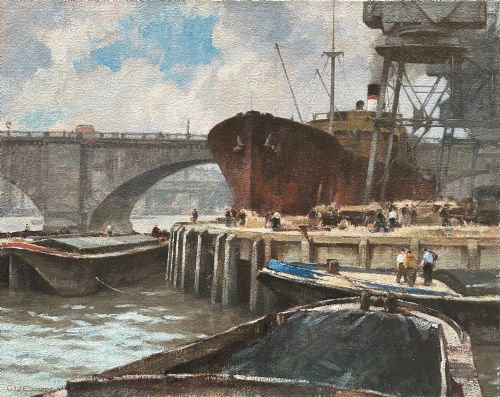
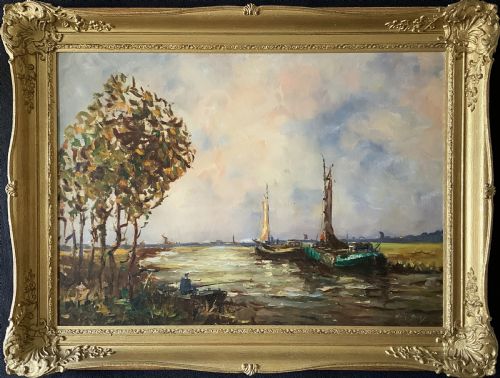
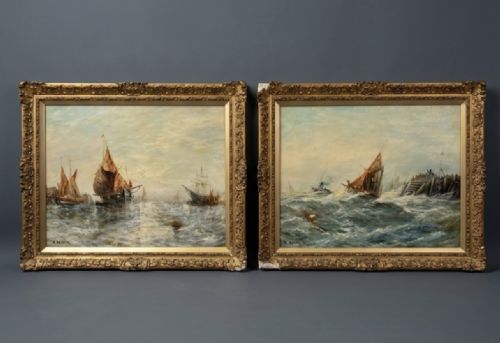
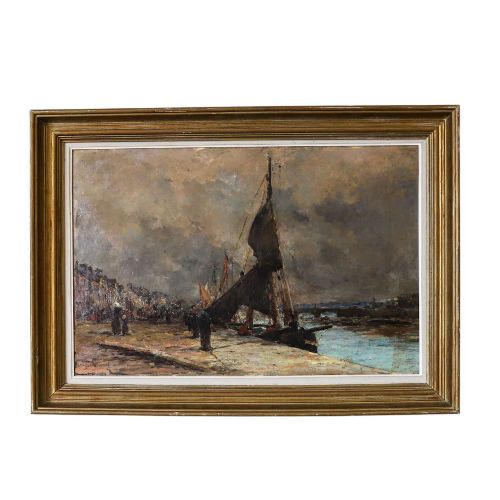
When you search for a vintage nautical landscape, you uncover maritime scenes capturing rivers, harbours, and coastal waters across the nineteenth and twentieth centuries.
Vintage Nautical Landscape
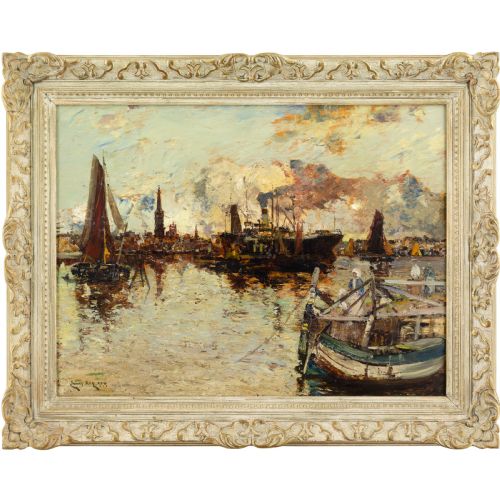
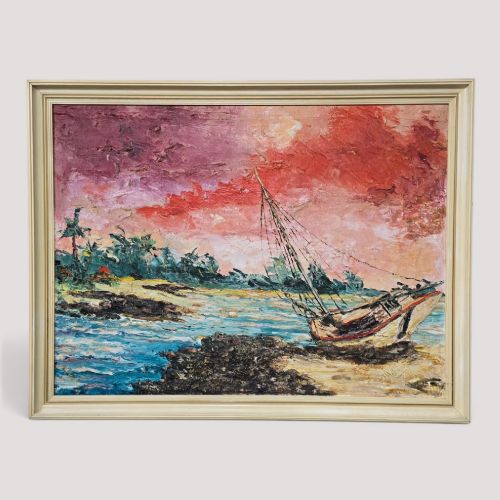
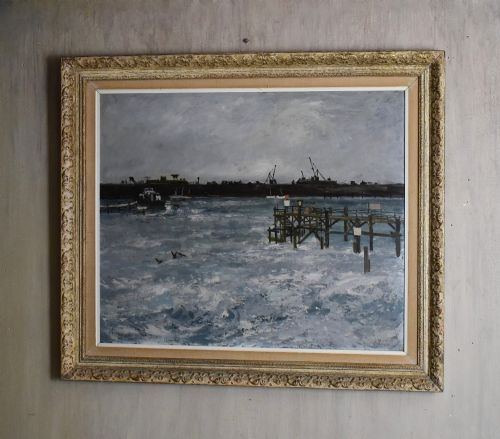
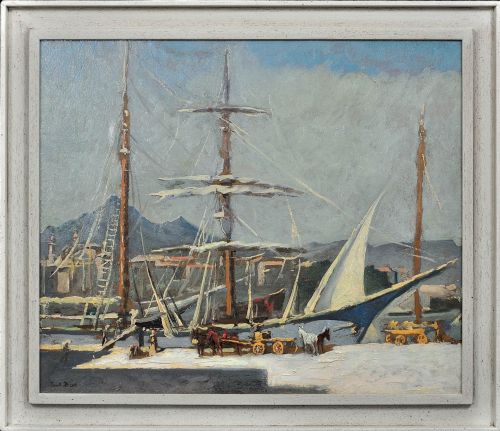
A vintage nautical landscape brings together marine art, river views, and coastal scenes created during the nineteenth and twentieth centuries. These works record shipping lanes, bustling harbours, and quiet coastal inlets across Britain, Europe, and America.
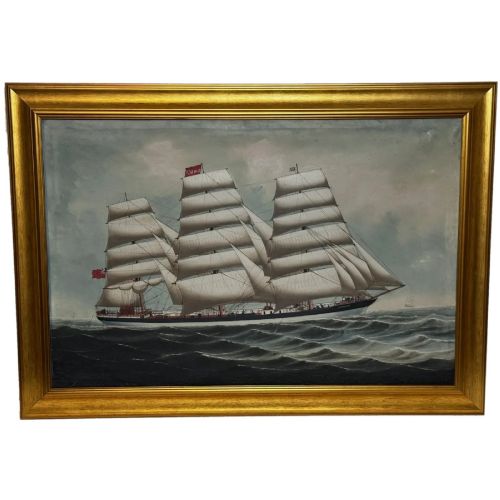
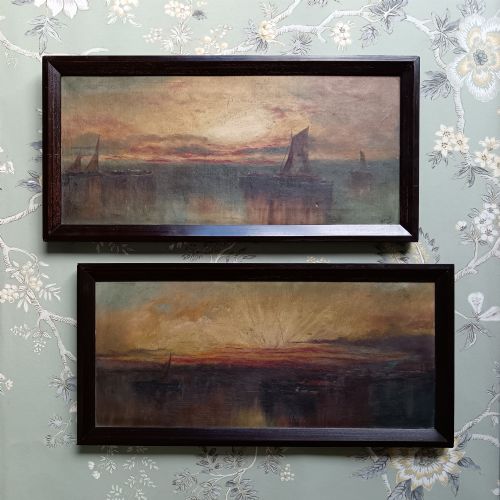
The selections available here rely heavily on oil paintings on canvas and board, alongside watercolours on paper. Many pieces are framed in gilt wood, reflecting the traditional presentation of period maritime art.
Buyers will encounter Victorian and Edwardian marine paintings alongside mid-twentieth-century interpretations. These range from detailed depictions of clippers and fishing trawlers to broader impressionistic studies of water and light.
How they were made
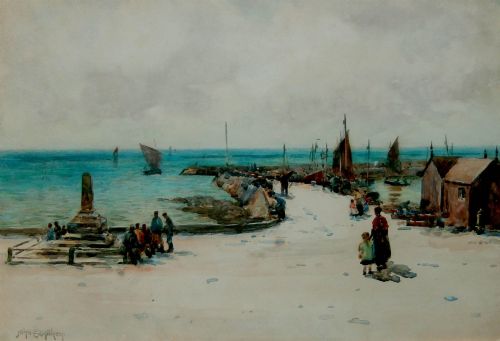
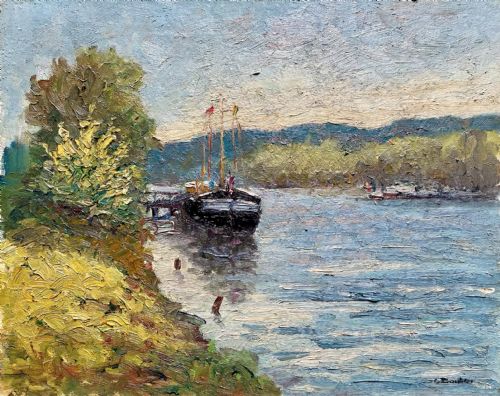
Painters utilised oil paint on canvas or prepared wooden boards to build up rich textures for marine scenes. Watercolour on paper was equally common for lighter, more atmospheric views of rivers and estuaries.
Artists often framed their finished works in moulded gilt wood frames, which provided contrast and protection for the canvas or paper surface. Signatures and dates applied directly by the artist help anchor the origin and period of each composition.
Listings feature works spanning the nineteenth century through the 1960s, executed in oil and watercolour on canvas, board, and paper.
What varies in quality
The distinction between works rests on the artist's ability to render water, light, and maritime architecture convincingly. Stronger examples display a confident handling of pigment that captures the movement of choppy seas or the calm stillness of a canal.
Provenance and documentation also separate works, with signed pieces or those attributed to known marine painters holding greater interest for collectors. The condition of the original paint layer and the retention of a period gilt frame contribute to the overall integrity of the piece.
Kenneth Cozens·R Leyton·Reginald Arthur Borstel·B. Nash·John E. Aitken·James Kay·Peter Brannan·Paul Bret·Cyril Walduck Edwards·Willem Bos·William Henry Williamson·George Stanfield Walters·Frank Kelsey·William Frederick Settle·William Lee Hankey·Robert Leslie Howey·Thomas Bush Hardy·Adrian Van Porten·William Tuck·Edward Henry Eugene Fletcher·Fred Waugh·William Greaves·Abraham Hulk Snr·Pauwels·Hendrik Willebrord Jansen
The Vintage Nautical Landscape Glossary
- Oil on Canvas
- A traditional painting medium where pigment mixed with drying oil is applied to a woven cloth stretched across a wooden frame. This technique allowed artists to create deep colour saturation and tactile brushwork.
- Watercolour
- A paint consisting of pigment suspended in a water-soluble vehicle, typically applied to paper. It produces translucent washes of colour well suited for atmospheric skies and coastal water.
- Gilt Wood
- Wood carved and coated with a thin layer of gold leaf or metallic gilt paint. Such frames were standard adornments for nineteenth- and twentieth-century fine art paintings.
- Maritime
- Pertaining to the sea, shipping, and navigation. In art terms, it describes subjects featuring ships, harbours, and coastal life.
- Impressionism
- A nineteenth-century art movement characterised by relatively small, thin, yet visible brush strokes and an emphasis on accurate depiction of light. Artists applied these principles to capture transient effects in coastal landscapes.
Vintage Nautical Landscape: Frequently Asked Questions
What subjects appear in these paintings?
These works depict sailing ships, fishing boats, bustling harbours, and quiet coastal villages. Painters focused heavily on marine traffic, river estuaries, and open seas.
Scenes range from British coastal inlets to European canals and Mediterranean ports, reflecting varied maritime traditions.
How do I date a nautical landscape?
Dates are often established through artist signatures, exhibition records, or stylistic clues within the clothing and vessel types. Victorian and Edwardian works show different rigging and architectural details compared to mid-twentieth-century pieces.
Framing materials and backing boards can also offer supporting evidence for the approximate age of the artwork.
Where should I hang a marine painting?
These works suit spaces with stable humidity away from direct sunlight to protect oil paint and paper watercolours. Placing them in rooms with good natural light helps reveal the subtle tones of the water and sky.
Matching the gilt or wood frame to existing interior woodwork ensures the painting integrates smoothly with its surroundings.
Are watercolours as durable as oils?
Watercolours on paper require protection behind glass to prevent moisture damage and fading from light exposure. Oil paintings on canvas or board are generally more robust but still benefit from stable indoor environments.
Both mediums have survived for over a century when properly framed and kept away from damp walls.