





Vintage Nautical Instrument
These vintage nautical instrument pieces bring precision engineering and maritime history into your room.
Vintage Nautical Instrument
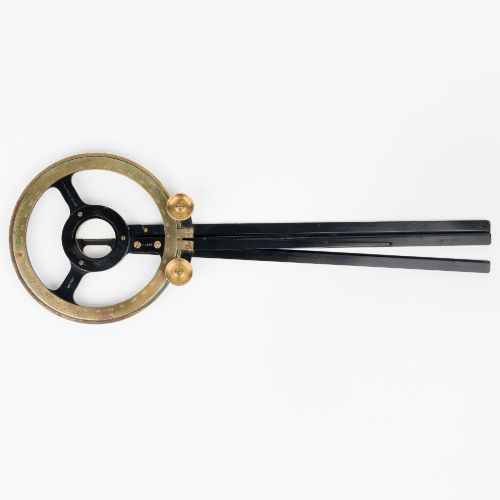
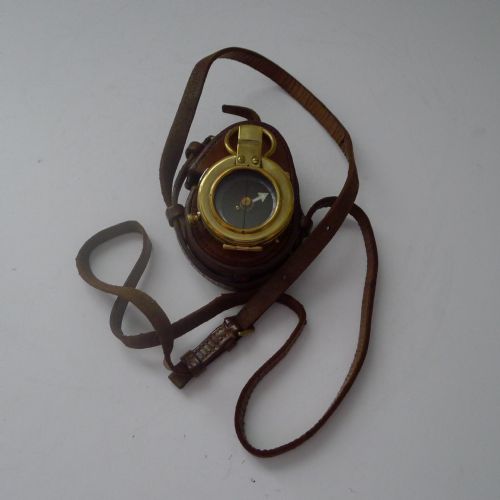
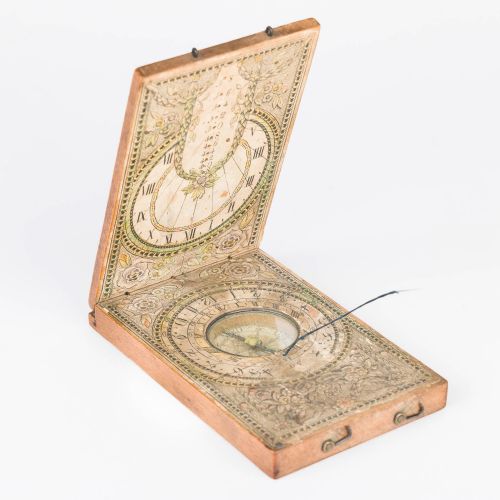
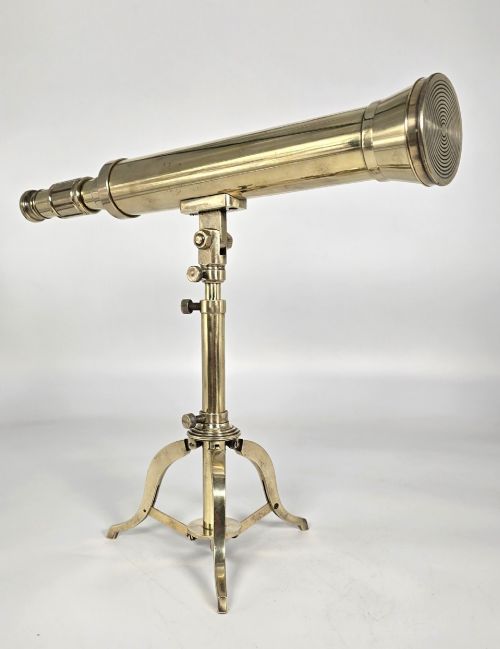
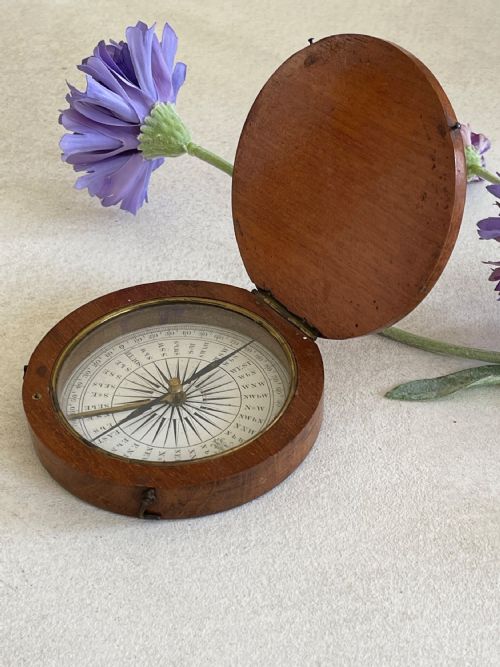
A vintage nautical instrument covers a variety of maritime and scientific gear designed for navigation, timekeeping, and observation at sea or ashore. You will encounter portable brass spyglasses, cased marine chronometers, wooden barometers, and pocket compasses spanning multiple centuries.
The selections on this page feature pieces from the Georgian, Victorian, and Edwardian periods alongside mid-twentieth-century examples. Telescopes and barometers dominate the forms, reflecting the equipment once relied upon by officers and explorers.
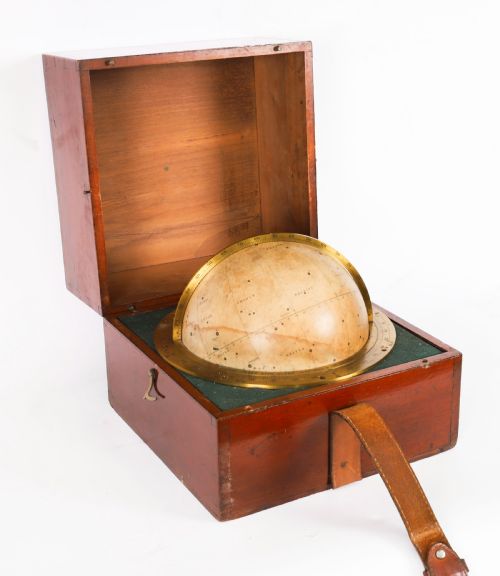
Most items combine brass with polished hardwoods such as mahogany, walnut, and oak, often housed in fitted cases with paper charts or glass dials. These objects represent practical tools adapted for daily use aboard ships or in libraries.
What varies in quality
Quality rests in the precision of the maker's mechanical work, the clarity of the glass optics, and the preservation of original materials. Finer examples display crisp engraving on brass barrels and robust, uncompromised wooden cabinetry.
Signed pieces by recognised opticians and instrument makers hold greater weight than anonymous workshop productions. The presence of original fitted leather or mahogany cases also elevates the standing of an instrument.
Listings span the Georgian, Victorian, and Edwardian eras, incorporating materials from brass and mahogany to paper and steel.
Nairne and Blunt·Thomas Mercer·Negretti and Zambra·L. Casella·Alexander Adie
The Vintage Nautical Instrument Glossary
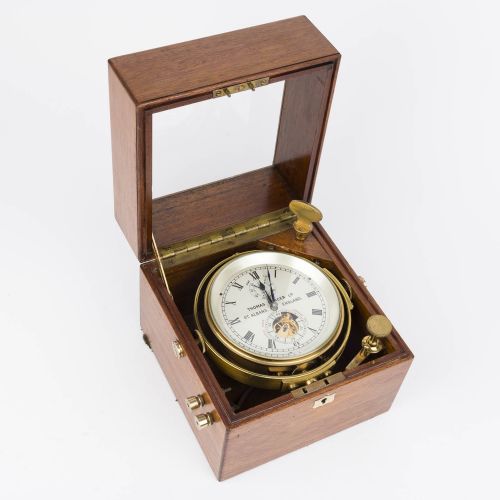
- Chronometer
- A highly accurate marine timekeeper designed to determine longitude at sea. These mechanisms often sit within gimbaled brass boxes to keep the dial level.
- Spyglass
- A small, portable refracting telescope with multiple sliding draws. They were commonly carried by officers and explorers for terrestrial and maritime viewing.
- Barometer
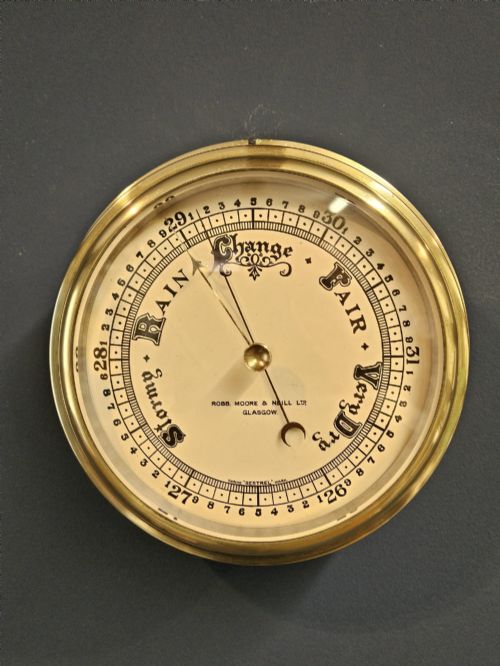
- An instrument used to measure atmospheric pressure for weather forecasting. Stick and aneroid versions are common in maritime settings.
- Octant
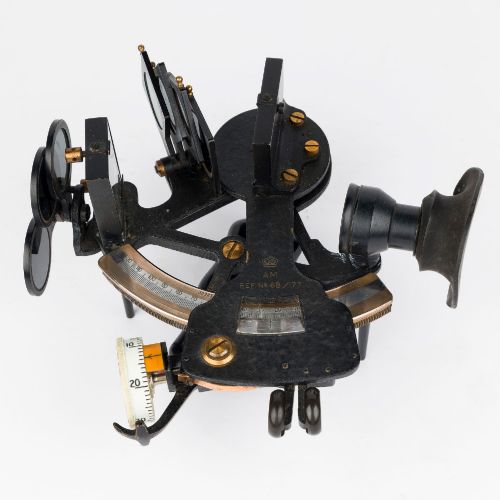
- A navigational instrument used to measure the angle between an astronomical object and the horizon. It precedes the modern sextant and employs a mirror system.
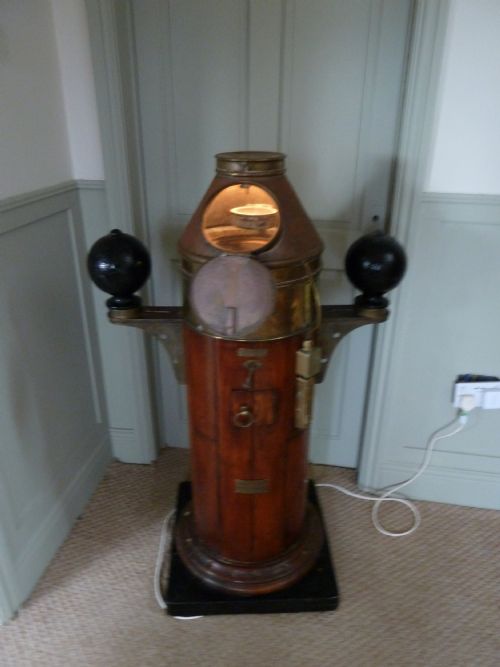
- Binnacle
- A built-in housing located near the steering wheel of a ship that holds the compass. It protected the instrument from weather and iron interference.
Vintage Nautical Instrument: Frequently Asked Questions
How do I clean brass telescope barrels?
Dust the surface gently with a soft, dry cloth to remove loose particles. Avoid abrasive polishes that strip away the aged patina.
Keep moisture away from fitted leather and glass elements to preserve the internal optics and historic finish.
Were these instruments used at sea?
Many items served aboard naval and merchant vessels for navigation, weather tracking, and timekeeping. Officers relied on spyglasses and chronometers during daily watch duties.
Other pieces, such as library telescopes and desk compasses, remained ashore in domestic or institutional settings.
How do I identify the period of a telescope?
Examine the number of draw tubes and the materials used for the body and lens caps. Earlier examples often feature simple wooden barrels, while Victorian models favoured brass paired with leather or mahogany.
Maker signatures and engraved dates provide the most reliable guide to a piece's age.
Can I use these barometers for weather forecasting?
Most antique barometers require careful calibration by a specialist before they offer accurate local readings. Temperature changes and age can affect the internal mechanical response.
Many collectors enjoy them primarily as decorative historical objects rather than daily meteorological tools.