



Vintage Natural Pearls
Vintage natural pearls represent organic gemstones formed without human intervention, prized for their unique lustre and heritage across Victorian, Edwardian, and Art Deco periods.
Vintage Natural Pearls
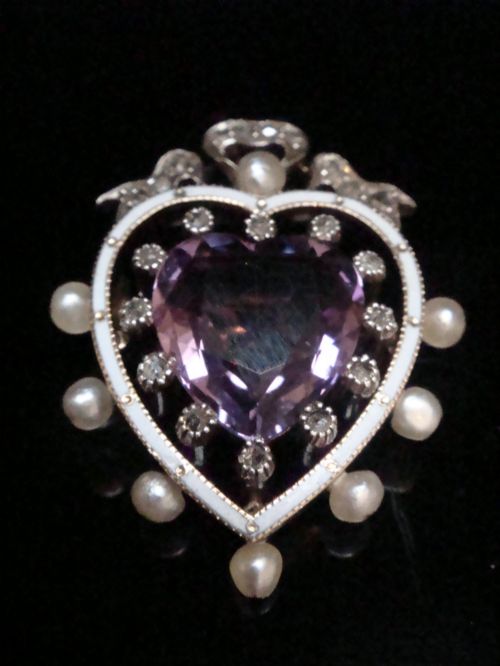
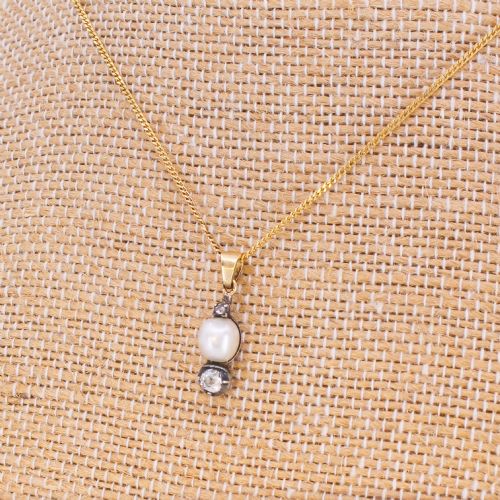
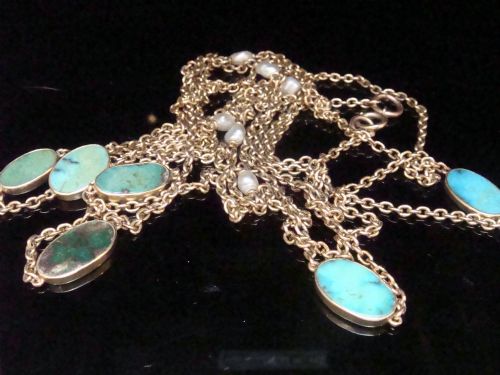
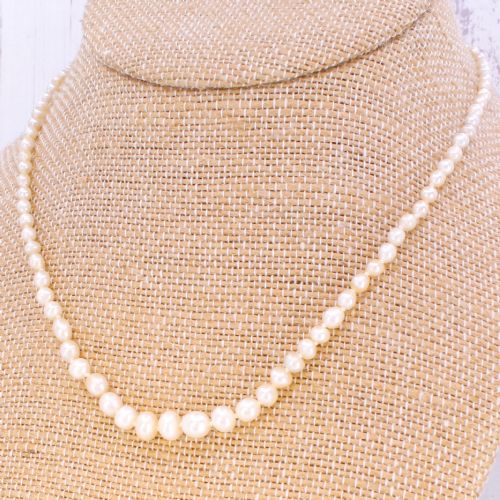
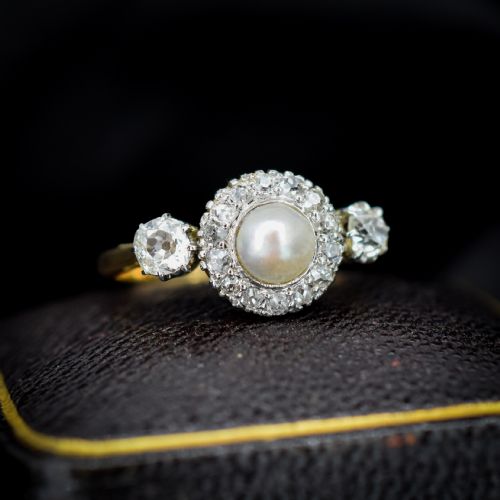
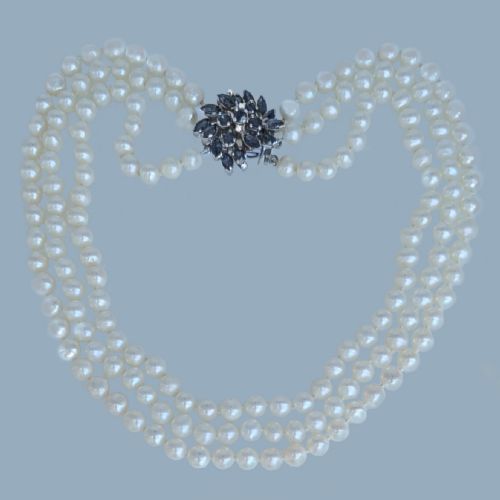
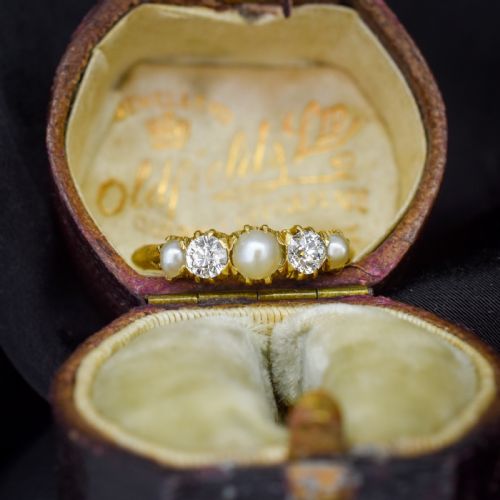
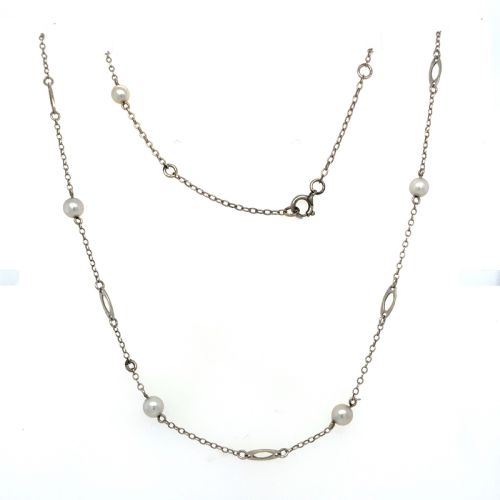
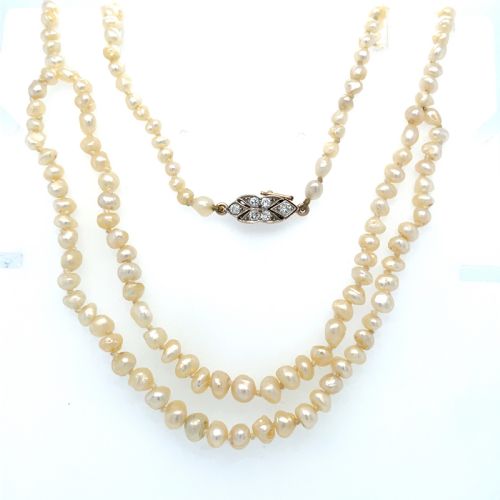
Vintage natural pearls encompass organic gems harvested from saltwater and freshwater environments without artificial nucleation, appearing across Victorian, Edwardian, 1920, 1930, 1960, and 19th Century periods. These pieces take the form of necklaces, rings, earrings, pendants, bracelets, brooches, and snuff boxes.
Buyers encountering this selection will predominantly find Edwardian and Art Deco necklaces, pendants, and rings alongside Victorian and mid-century examples. Common configurations pair natural saltwater pearls with old cut diamonds, platinum, gold in various carats, and silver settings.
How they were made
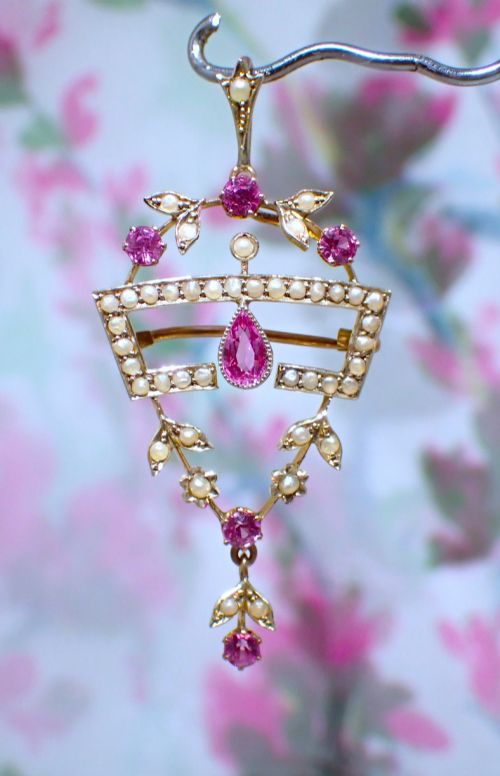
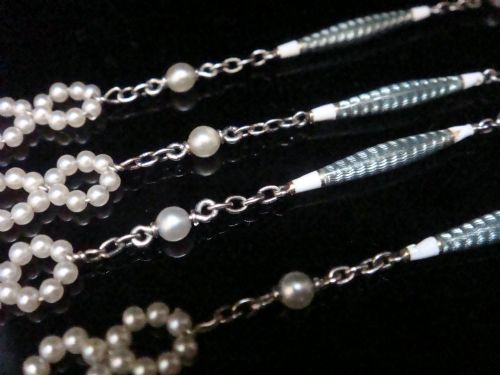
Jewellers set natural pearls alongside diamonds, sapphires, emeralds, rubies, and tourmalines into platinum, silver, and yellow or white gold ranging from 9ct to 18ct. Chains, pendants, and rings utilise detailed metalwork such as guilloche enamel and fine wire settings.
Mountings incorporate traditional techniques from the late nineteenth and early twentieth centuries, joining delicate seed pearls and larger saltwater drops to precious metal frameworks.
What varies in quality
Quality rests upon the natural origin and saltwater formation of the pearls, matched with the grade of accompanying diamonds and precious metals. Pieces carrying gemological reports provide documented verification of natural organic growth.
The sophistication of the period setting, from Edwardian platinum filigree to Art Deco geometric design, distinguishes standard mounts from exceptional jewelled creations.
The Vintage Natural Pearls Glossary
- Natural pearl
- An organic gemstone formed entirely without human intervention inside a mollusc. These specimens contrast with cultured varieties through their spontaneous development.
- Saltwater pearl
- A pearl grown within marine oysters rather than freshwater mussels. These gems typically exhibit distinct lustre and orient.
- Old cut diamond
- A diamond facet style popular in antique jewellery before the standardisation of modern brilliant cuts. These stones feature smaller tables and larger culets.
- Guilloche enamel
- A decorative technique where intricate geometric patterns are機械 engraved beneath transparent enamel. This method appears frequently on Edwardian pendants and boxes.
- Baroque pearl
- An organic pearl possessing an irregular, non-spherical shape. Such forms offer unique sculptural qualities in drop earrings and necklaces.
Vintage Natural Pearls: Frequently Asked Questions
How do I identify natural pearls?
Natural pearls form organically in molluscs without human seeding, whereas cultured varieties contain artificial bead nuclei inserted to stimulate growth.
Examination under magnification reveals characteristic growth structures and surface irregularities that separate wild pearls from farmed counterparts.
What periods do these pieces span?
The available selection covers Victorian, Edwardian, Art Deco, and mid-century eras, stretching from the nineteenth century into the 1960s.
Design motifs and metal choices shift across these decades, moving from heavy Victorian gold settings to delicate Edwardian platinum and geometric Art Deco patterns.
How should I care for natural pearls?
Organic gems require gentle treatment because acids, cosmetics, and perfumes can damage the delicate nacre surface over time.
Store pieces separately from hard gemstones to prevent scratching, and wipe them clean with a soft cloth after wearing.
What metals accompany these pearls?
Jewellers mounted these organic gems in platinum, silver, and yellow or white gold spanning 9ct, 15ct, and 18ct purity standards.
Choice of metal often reflects the period of manufacture, with platinum and white gold dominating Edwardian and Art Deco pieces alongside traditional yellow gold.