


Vintage Music Room Stool
A vintage music room stool brings period character and practical seating to an interior, offering clever mechanisms and rich timber frames.
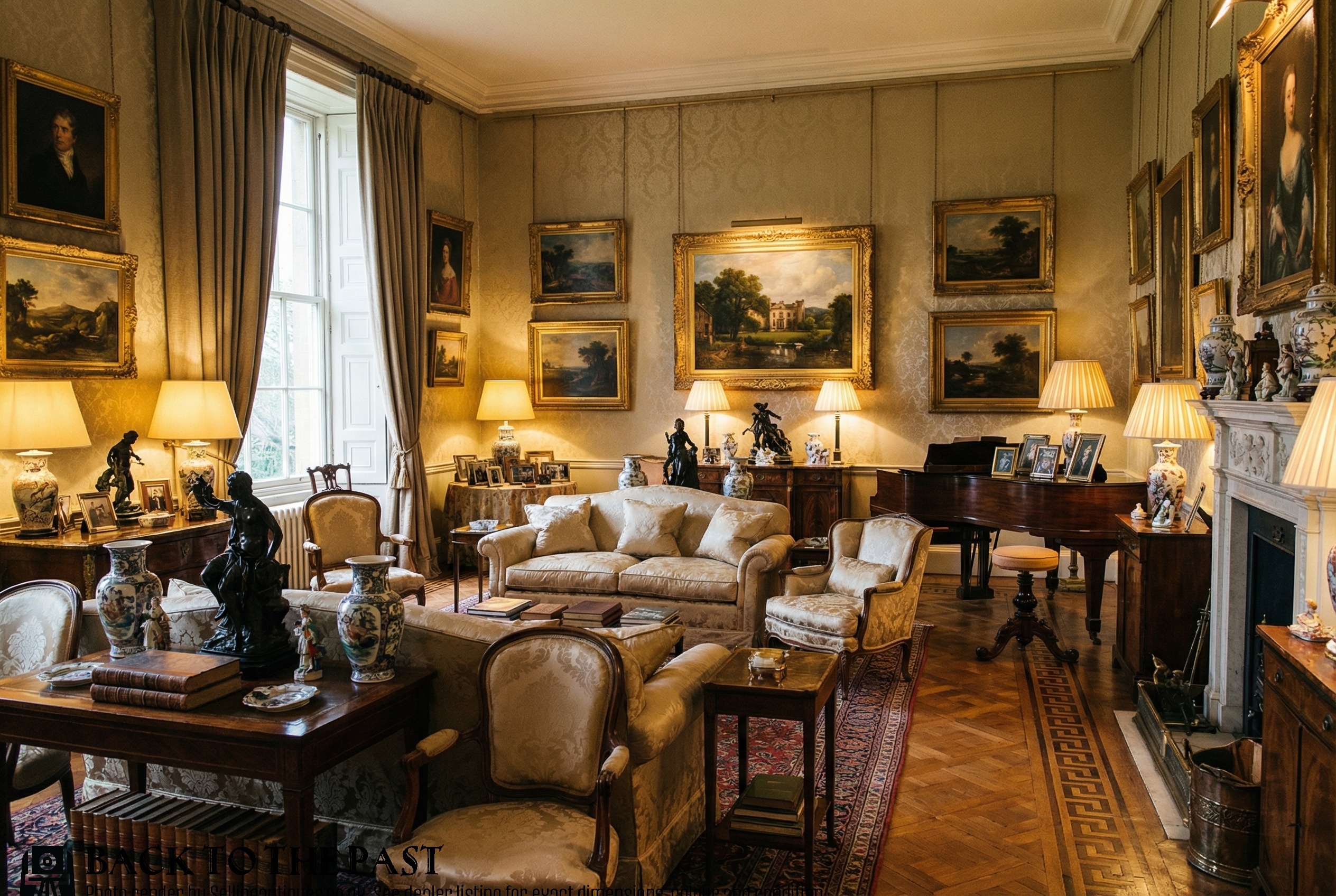
Vintage Music Room Stool
A vintage music room stool encompasses revolving piano stools, patent music chairs, and duet piano seats designed for keyboard players. These pieces date from the Georgian era through the Victorian period and into the Edwardian years, reflecting changing domestic habits.
The versions most likely to be met on this page include mahogany and rosewood revolving piano stools alongside Edwardian inlaid mahogany music stools with lift up seats. Many incorporate upholstered tops in velvet, fabric, or leather.
Makers designed these items specifically for the piano or music room, utilising adjustable heights and fall fronts for sheet music storage. Their forms range from simple round revolving seats to larger duet configurations.
How they were made
Cabinet makers utilised dense hardwoods such as mahogany and rosewood to construct the structural frames and legs, often applying intricate inlay work during the Edwardian period. Brass hardware frequently supports the revolving mechanisms and height-adjustment screws.
Upholstery techniques involved padding seats with fabric, velvet, green leather, or tan leather to ensure comfort during extended practice. Fall front mechanisms and lift up seats were engineered into the wooden cabinetry to conceal music sheets.
Vintage Music Room Stool Retail Price Guide 2026
Typical asking prices for vintage music room stool among the pieces listed under this phrase on Sellingantiques today, from the lower quarter to the upper quarter. They describe what is for sale here now, not the wider market.
Musicians used revolving seats not just for comfort, but to execute the athletic twists demanded by nineteenth-century recital pieces.
What varies in quality
The refinement of the timber and the complexity of the mechanism set finer pieces apart from standard examples. Solid rosewood frames and smooth-operating patent revolving actions demonstrate superior craftsmanship.
Detailing such as cabinet inlay, leather grade, and the snugness of lift up seat compartments indicate the original cost and ambition of the piece. Well-executed upholstery and preserved wood patination elevate the standing of a seat.
The Vintage Music Room Stool Glossary
- Revolving piano stool
- A seat with a mechanism allowing the top to spin for height adjustment. This design became popular during the Victorian period for keyboard players.
- Patent music chair
- An adjustable seating form featuring specialised mechanical parts for posture and movement. These items often date to the nineteenth century.
- Duet piano stool
- A wider seat designed to accommodate two players simultaneously. Edwardian examples often feature lift up compartments for shared sheet music.
- Fall front piano stool
- A cabinet-style seat where the front panel lowers to reveal internal storage shelves. This design kept sheet music organised near the instrument.
- Inlay
- A decorative technique where contrasting woods or materials are inserted into recesses in the primary timber. Edwardian mahogany pieces frequently display this ornamentation.
Vintage Music Room Stool: Frequently Asked Questions
What is a vintage music room stool?
A vintage music room stool is a specialised seat created for use at a piano or in a music parlor. These pieces date from the Georgian, Victorian, and Edwardian eras.
They often include revolving tops, lift up seats, or fall front compartments designed to hold sheet music. The timber frames utilise mahogany, rosewood, and walnut with various upholstery types.
How do revolving piano stools work?
Revolving piano stools operate via a central threaded screw or metal spindle mechanism hidden beneath the seat. Turning the upholstered top raises or lowers the sitting height.
This adjustment allowed musicians to find a comfortable posture relative to the keyboard. Brass components frequently support these moving parts.
What are duet piano stools?
Duet piano stools are wider seats built to accommodate two people playing a piano together. They frequently appear in Edwardian forms featuring inlaid mahogany.
Many incorporate lift up seats that open to reveal internal storage space for multiple portfolios of music. Their proportions are noticeably broader than standard single stools.
How do I date a music stool?
Dating a music stool involves examining the primary timber, decorative style, and mechanical construction. Georgian and early Victorian pieces often feature rosewood or simple mahogany, while Edwardian versions frequently showcase light inlay.
Patent markings on metal hardware and the style of the upholstery also provide clues to the decade of manufacture. Comparing the form to established nineteenth and early twentieth-century designs clarifies the period.