


Vintage Mirrored Tray
A vintage mirrored tray brings instant reflection and elegance to a room, catching the light on dressing tables and cocktail bars alike.
Vintage Mirrored Tray
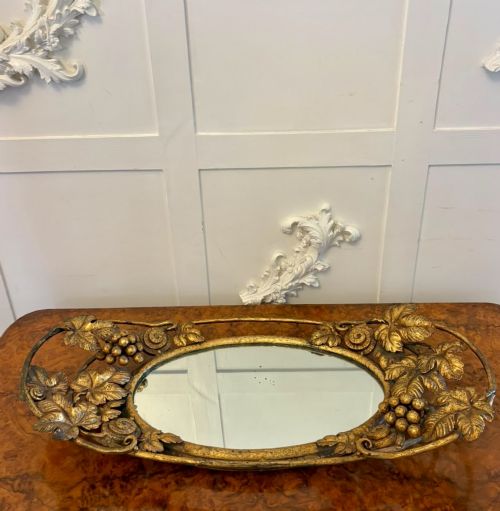
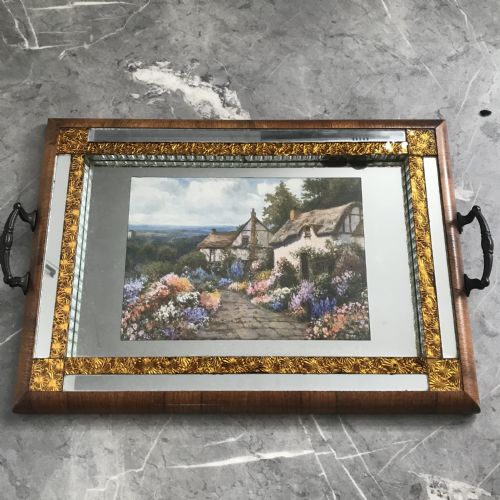
A vintage mirrored tray combines reflective glass with supportive frames of metal, brass, chrome, or wood such as oak and walnut veneer. You will frequently encounter designs spanning the Victorian, Edwardian, and Art Deco periods, ranging from simple geometric shapes to ornate Rococo Revival styles.
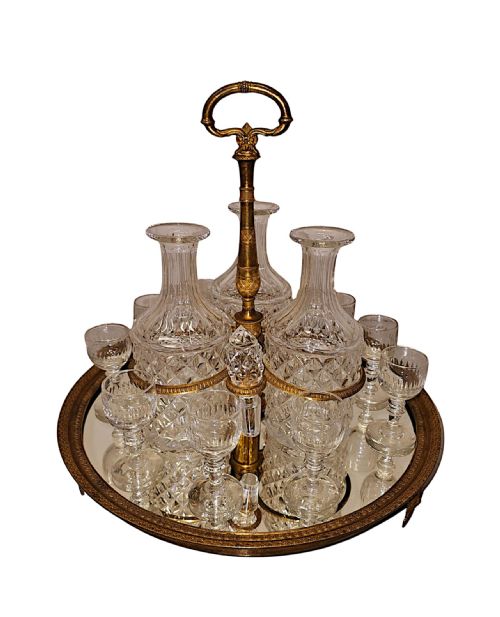
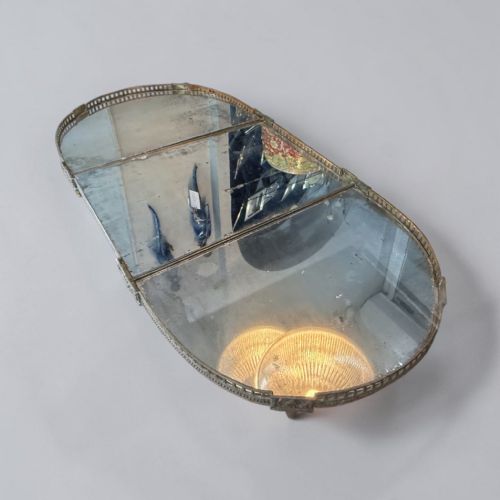
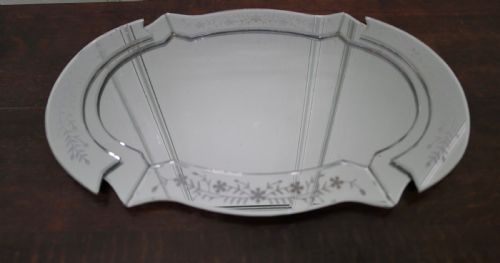
While the search for a vintage mirrored tray covers various serving and display items, the pieces on this page are predominantly drinks trays, wine trays, and table plateau centrepieces. Many feature cut or etched glass plateaus designed to hold decanters, glassware, or cakes with decorative flair.
Origins vary across England, France, Germany, and Italy, including Venetian and Murano glasswork alongside traditional metalwork. Pieces range from frameless octagonal mirrors to handled cocktail servers with silver-plated or copper mounts.
Materials and construction
Makers set heavy mirror plate into rigid frames of cast or plated metal, brass, chrome, pewter, or solid and veneered timbers like oak and walnut. Handles in copper, silver plate, or gilt metal were securely attached to contain the glass insert.
Surface decoration relied on hand etching, bevelling, and cutting the mirror glass to create intricate floral or geometric motifs, particularly visible in Venetian and Art Deco pieces.
Listings feature items spanning the Victorian and Edwardian eras through to Art Deco pieces from 1930, utilising oak, brass, chrome, and mirrored glass.
Assessing quality and craftsmanship
Quality rests in the weight and clarity of the mirror plate, the crispness of any cut or etched glass detailing, and the structural integrity of the frame. Heavier gauge metals and solid timbers or quality veneers indicate superior production.
Finishing touches distinguish standard items from finer examples, such as securely mounted handles with thoughtful ergonomic design, tight corner joints in wooden frames, and clean silver-plating or patinated brass.
The Vintage Mirrored Tray Glossary
- Mirror plateau
- A mirrored base or tray, often placed on a dining table or sideboard to reflect candles, silver, or glassware. These centrepieces amplify the sparkle of tableware.
- Art Deco
- A design style from the interwar period characterised by sleek geometric lines, stylised motifs, and modern industrial materials like chrome. It heavily influences 1930s trays.
- Venetian mirror
- Glassware originating from Venice featuring elaborate engraved or etched details, often with decorative glass trims and mirrored borders. They are known for delicate craftsmanship.
- Silver plated
- A base metal coated with a thin layer of silver to provide the appearance of solid silver. It is commonly found on frames and handles from the early twentieth century.
- Walnut veneer
- A thin layer of decorative walnut wood applied over a secondary timber base. It offers rich grain patterns while maintaining structural stability.
Vintage Mirrored Tray: Frequently Asked Questions
How were mirrored trays originally used?
These trays served practical and decorative functions in domestic spaces, holding decanters and glasses on sideboards or acting as centrepieces for dining tables.
They also appeared on dressing tables to organise perfumes and brushes, or on French furniture to reflect light and display small objects.
Can I use these trays for serving drinks?
Many of these pieces were specifically designed as wine or cocktail trays, equipped with sturdy handles and raised rims to keep glassware secure during transit.
However, because the base is glass, handling them with care prevents accidental slips and protects the historic surface from moisture damage.
How do I date a mirrored tray?
Dating relies on combining the overall style, materials, and mounting techniques visible in the frame and glass.
Art Deco trays feature geometric shapes and chrome, while Edwardian and Victorian versions lean towards gilt metal, heavy oak, or ornate floral etchings.
How do I care for a vintage mirror surface?
Cleaning requires a soft, dry cloth or mild glass cleaner applied directly to the cloth rather than the tray, preventing liquid from seeping behind the mirror plate.
Keeping the piece away from damp environments protects the silvering on the reverse of the glass from deterioration.