
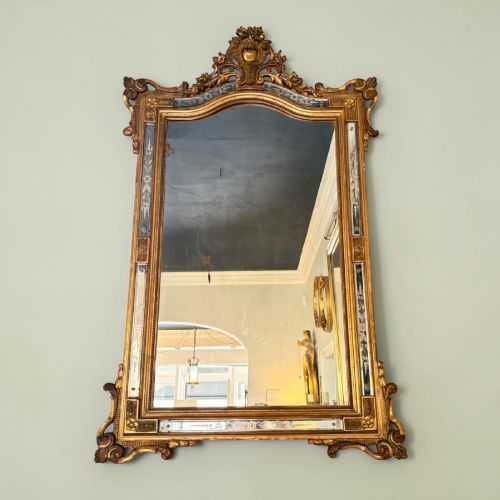
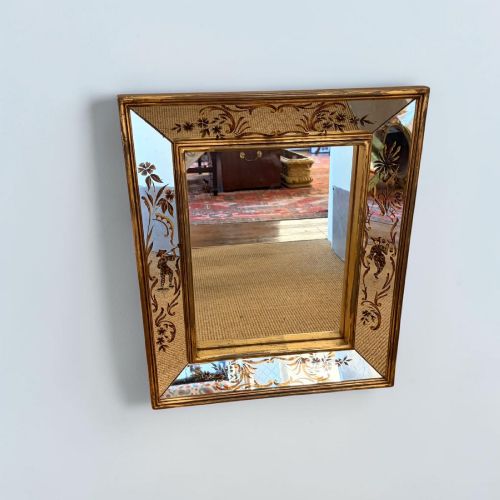
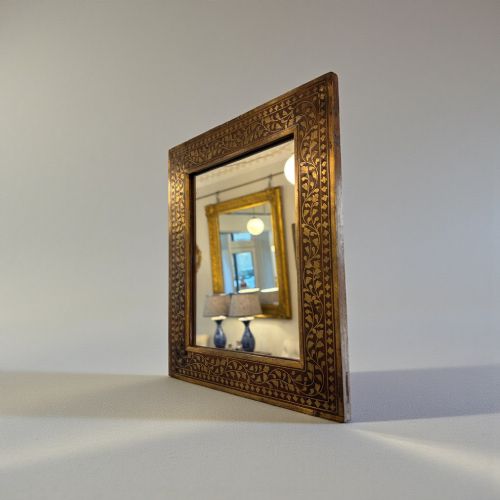
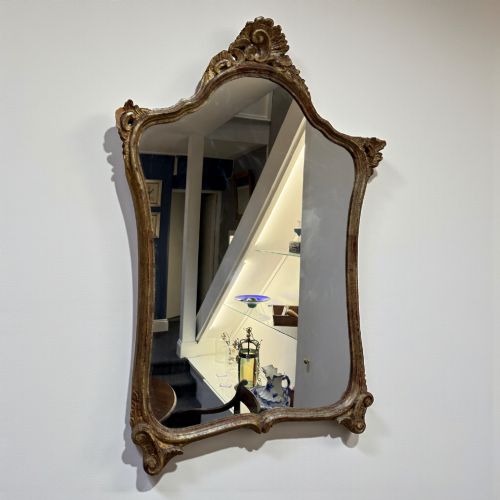
Vintage Mirrored Frame
A vintage mirrored frame offers both reflective utility and decorative presence, bringing light and historical character into domestic spaces.
Vintage Mirrored Frame
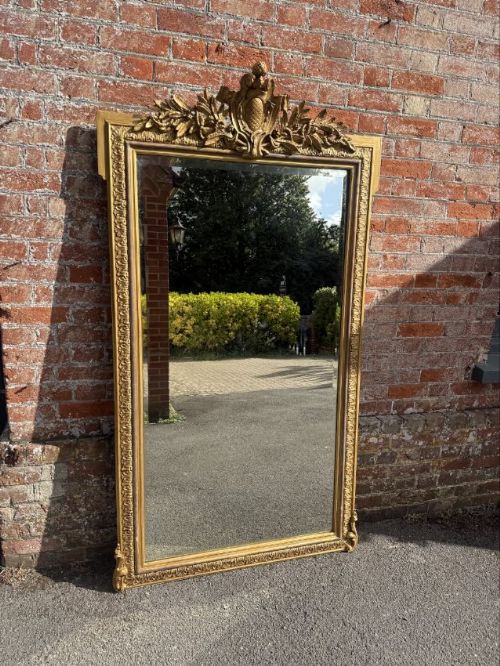
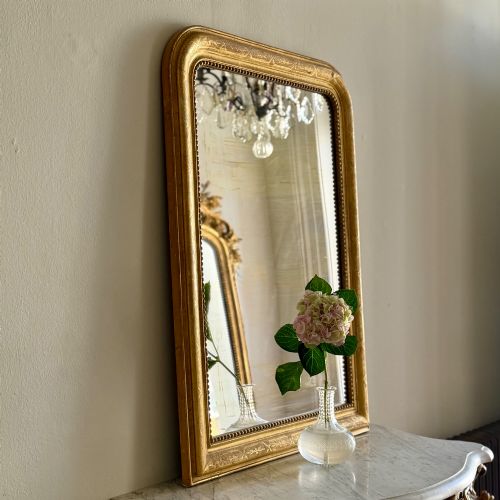
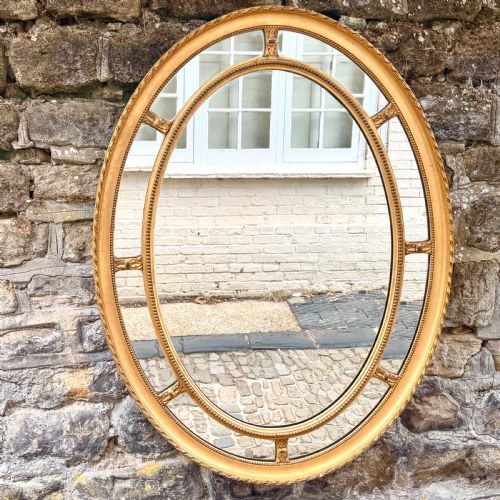
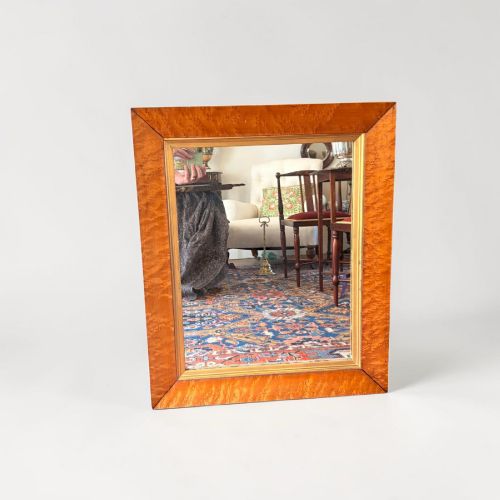
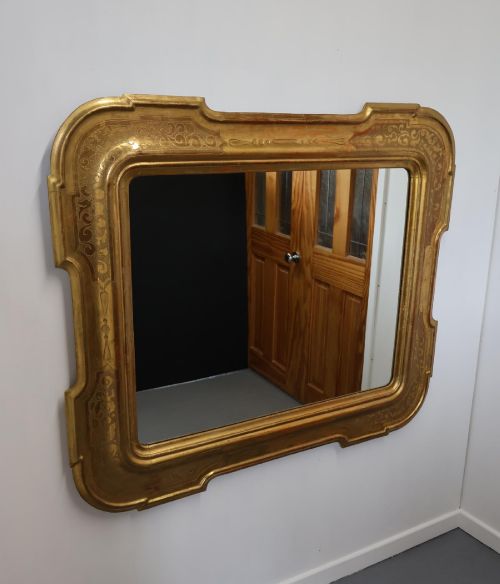
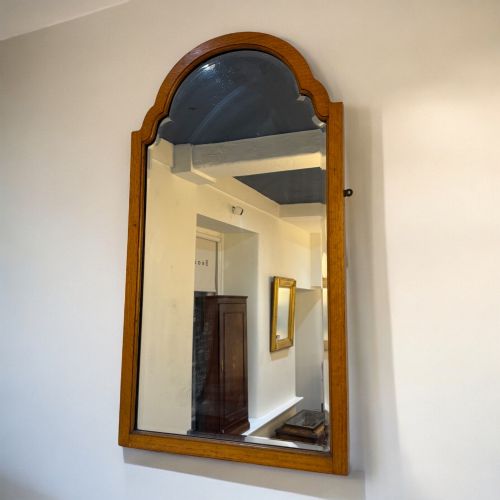
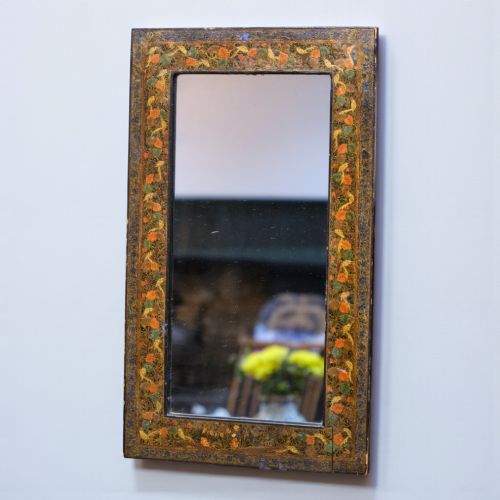
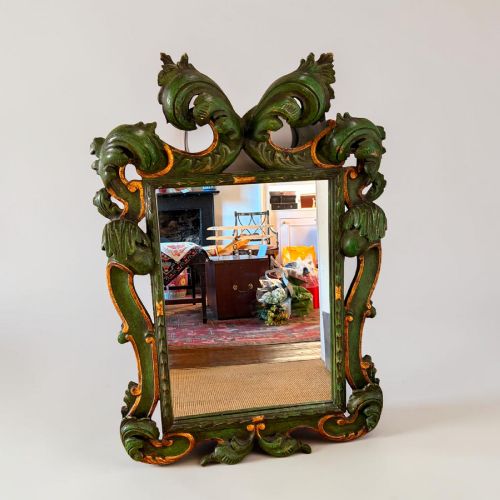
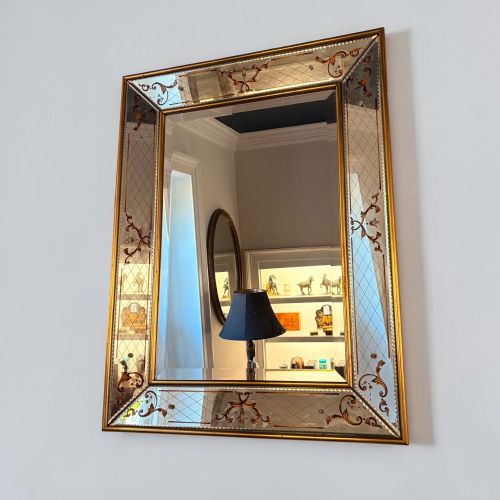
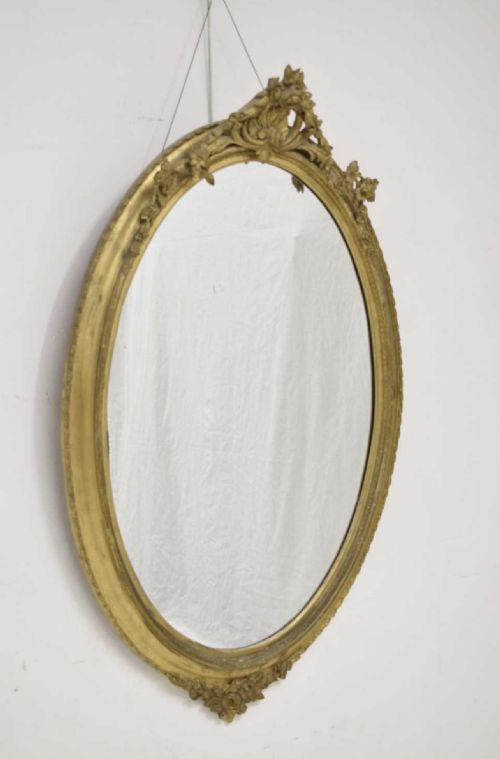
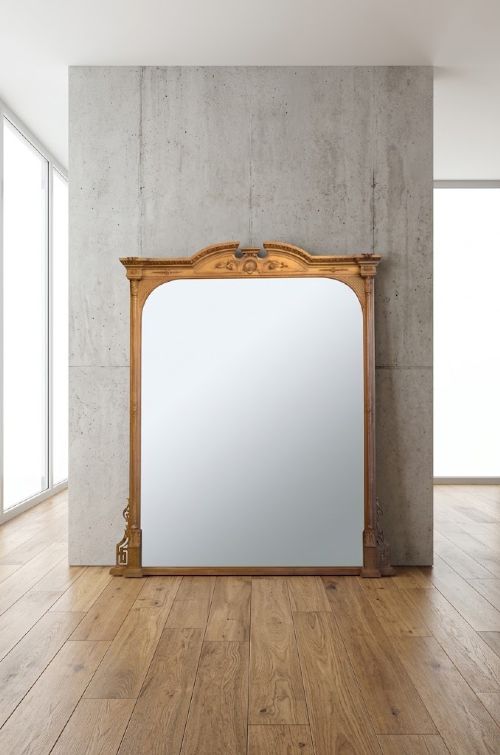
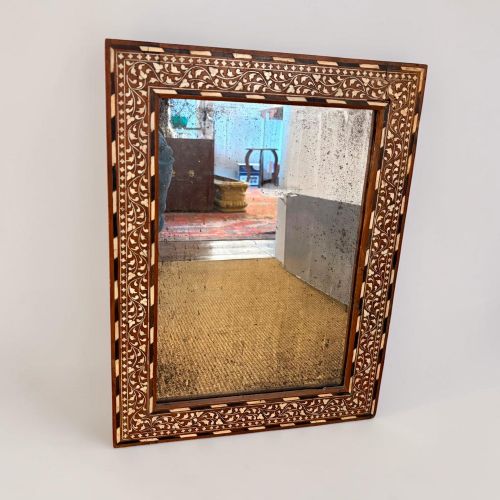
A vintage mirrored frame encompasses an array of wall-hanging and freestanding looking glasses produced across the eighteenth, nineteenth, and early twentieth centuries. When searching for a vintage mirrored frame, buyers encounter diverse forms ranging from large overmantels and pier mirrors to dressing table swing glasses and girandoles.
The selection on this page draws heavily from Victorian, Edwardian, and French stylistic traditions, including Louis Philippe and Rococo Revival designs. Oak, mahogany, and walnut timbers appear alongside heavily giltwood and gesso creations, reflecting the varied interior tastes of their original periods.
How they were made
Craftsmen shaped these surrounds using solid timbers such as oak, mahogany, and walnut, frequently applying hand-carved details or applied gesso moulded into floral and scroll motifs. Giltwood pieces utilised thin layers of gold leaf laid over prepared grounds on carved wooden bases.
Mirrored plates within these frames often display period characteristics such as bevelled edges or foxed mercury glass, held securely within rebated wooden rabbets or secured behind brass mounts and decorative crests.
Listings feature eighteenth, nineteenth, and early twentieth-century pieces, utilising materials including giltwood, gesso, oak, mahogany, and mercury glass.
What varies in quality
The distinction between standard and superior pieces rests upon the crispness of the hand-carved ornamentation and the depth of the gilding. Vigorous relief work on gesso and timber demonstrates greater artisan involvement than simpler, mass-produced mouldings.
Structural integrity also separates examples, visible in the stability of corner joints, the retention of original antique glass plates, and the preservation of secondary woods on the reverse of the frame.
Waring & Gillow·P & MA Nicholson
The Vintage Mirrored Frame Glossary
- Giltwood
- Wood that has been coated with gold leaf or gold paint. This technique provided a bright, reflective surface popular in formal nineteenth-century interiors.
- Gesso
- A plaster-like mixture applied to wood frames to create a smooth surface for carving or gilding. It allowed artisans to fashion intricate scrollwork and floral reliefs.
- Mercury glass
- An early type of silvered glass created by pouring a mercury amalgam between double-walled blown glass. Over time, it develops characteristic dark spots known as foxing.
- Overmantel mirror
- A large horizontal looking glass designed to hang directly above a fireplace mantelpiece. These pieces often dominated the wall space in period reception rooms.
- Trumeau
- A decorative wall mirror incorporating a painted panel or carved artwork above the glass plate. Originating in France, these tall pier glasses suited narrow wall spaces between windows.
- Girandole
- A decorative wall mirror featuring attached candle sconces. The candle arms multiplied the available light within a room by reflecting the flame.
Vintage Mirrored Frame: Frequently Asked Questions
How do I date a vintage mirrored frame?
Dating relies on examining the construction methods of the wooden frame, the style of the carving, and the characteristics of the glass plate. Secondary woods on the back and backing boards offer reliable clues to the period.
Earlier pieces often feature hand-cut joints and mercury glass with foxing, whereas later twentieth-century examples display machine-cut elements and modern flat mirror plates.
Where should I hang a heavy overmantel mirror?
Heavy overmantel mirrors require secure anchoring directly into structural wall studs or masonry to support their substantial weight safely. Using appropriate weight-rated fixings prevents the frame from shifting over time.
Positioning them above a fireplace or low sideboard maintains traditional proportions while effectively bouncing natural light across the room.
Can I replace the original glass in a vintage frame?
Replacing the glass is possible, but retaining the original antique plate preserves the historical integrity and value of the object. Original glass often shows delightful imperfections and foxing that modern replacements lack.
If replacement is necessary due to damage, opt for a salvaged period plate rather than a modern brilliant-cut alternative.
What is the difference between a pier mirror and a wall mirror?
A pier mirror is specifically designed to hang on the narrow wall space, or pier, situated between two windows. These pieces are typically tall and vertical to fit the architectural gap.
Standard wall mirrors follow more flexible proportions and formats, suited for hanging above furniture or across open wall expanses.