

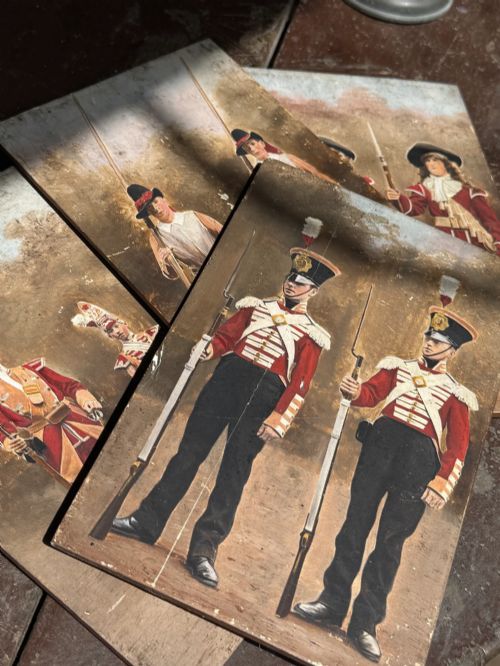


Vintage Military Uniform Painting
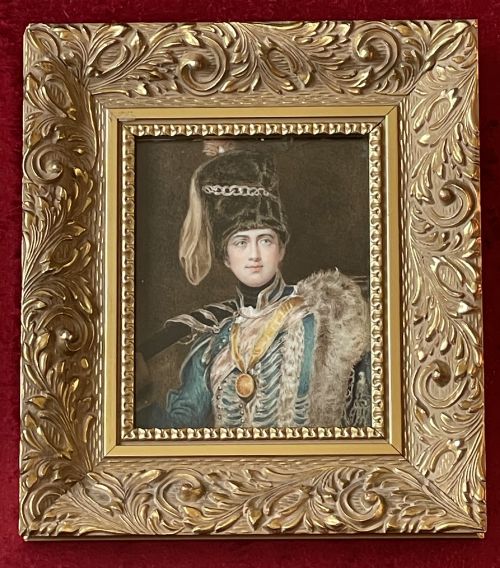
A vintage military uniform painting captures the dignity of service through portraits of officers, generals, and monarchs in full dress.
Vintage Military Uniform Painting
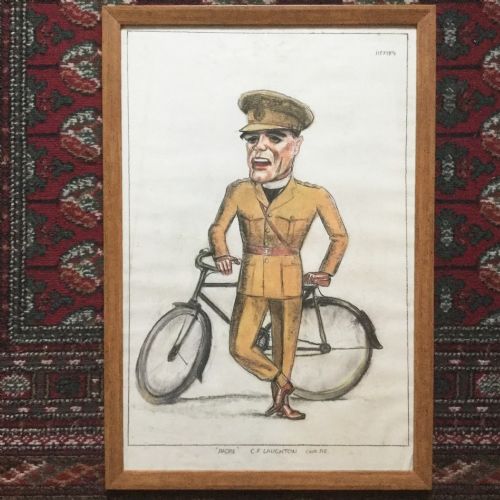
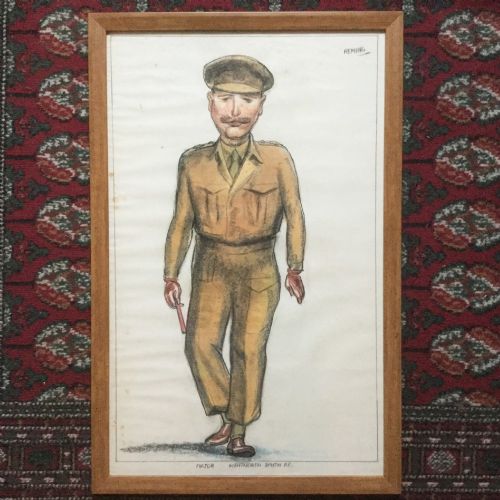
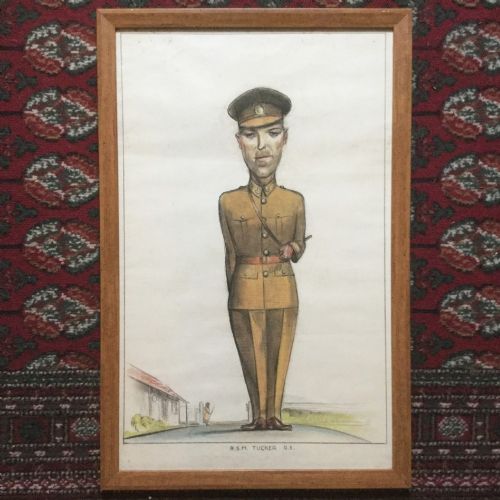
A vintage military uniform painting portrays figures from various branches of service, including the army, navy, and air force, rendered in uniform. These works document individuals from periods spanning the nineteenth century through the mid-twentieth century.
Buyers encounter single portraits of specific named officers alongside sketches and framed sets of painted soldiers. The forms range from intimate pastel sketches on paper to large oil paintings on canvas.
The subjects include generals, naval commanders, and royalty such as King George VI and Prince Philip. Works range from wartime illustrative sketches to formal twentieth-century realism.
How They Were Made
Artists employed oil paint, watercolour, pastel, and gouache as primary mediums. Supports varied between stretched canvas, heavy paper, wood panels, and card.
Wartime pieces often relied on rapid pastel and gouache applications for immediacy, while formal portraits utilised layered oil on canvas or panel. Many surviving examples retain their period glass and wooden framing.
Vintage Military Uniform Painting Retail Price Guide 2026
Typical asking prices for vintage military uniform painting among the pieces listed under this phrase on Sellingantiques today, from the lower quarter to the upper quarter. They describe what is for sale here now, not the wider market.
Portraits capture figures ranging from anonymous soldiers to high-ranking commanders such as Field Marshal Earl Roberts and Prince Philip.
What Varies in Quality
The distinction rests in the precision of uniform details, insignia, and medals, which separates skilled portraitists from generic depictions. Portrait likeness and the psychological depth of the sitter elevate the standing of a piece.
Condition of the support medium dictates value, with well-preserved watercolours and stable oil surfaces commanding attention. The attribution to a recorded artist or documented sitter adds significant provenance.
Aubrey Sykes RA·John Laviers Wheatley·Ruth Cecil Latter·Leslie Moore·Richard Hall
The Vintage Military Uniform Painting Glossary
- Gouache
- An opaque water-based pigment used to achieve flat areas of bright colour. It appears frequently in wartime illustrative sketches.
- Pastel
- A dry medium of powdered pigment bound into sticks. It allows for soft tonal blending in rapid portraiture.
- Realism
- An artistic movement focused on accurate, unidealized representation. Twentieth-century examples record uniform details with precision.
- Provenance
- The documented history of ownership of an artwork. It establishes the identity of the sitter and the authenticity of the piece.
- Regiment
- A military unit whose specific uniforms, facings, and insignia provide crucial dating evidence for portraits.
Vintage Military Uniform Painting: Frequently Asked Questions
How do I identify the rank from the uniform?
Service rank appears on shoulder boards, sleeve braiding, and collar insignia depending on the branch. Researching the specific regiment or uniform regulations of the period clarifies these markers.
Many portraits include medals and ribbons that record specific campaigns and honours earned by the sitter.
Are these works usually signed by the artist?
Signatures appear on formal oil paintings and finished watercolours, often placed in a lower corner. Wartime sketches sometimes rely on contemporary inscriptions or uniform records to identify the creator.
Unsigned works remain common, particularly in military portraiture produced for domestic or regimental collections.
What is the difference between an oil and a pastel portrait?
Oil paintings utilise slow-drying pigments suspended in oil on canvas or wood panels, allowing for rich colour depth and durability. Pastels use dry pigment sticks on paper, offering immediate texture and soft blending.
Pastel works require protective glass framing to prevent surface smudging.
How should I hang and light these paintings?
Display works away from direct sunlight to protect watercolours and pastels from fading. Stable indoor humidity prevents wood panels and canvases from warping.
Use gentle, low-heat picture lights to illuminate the canvas without risking heat damage to the pigment.