

Maritime Portrait Oil Painting
A maritime portrait oil painting captures the character of specific vessels and their captains, offering a direct record of naval history and seafaring life.
Maritime Portrait Oil Painting
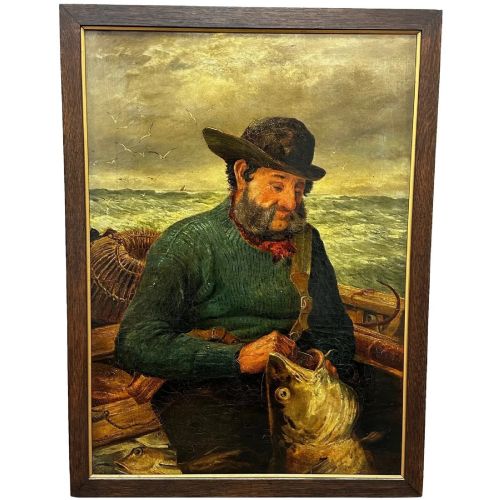
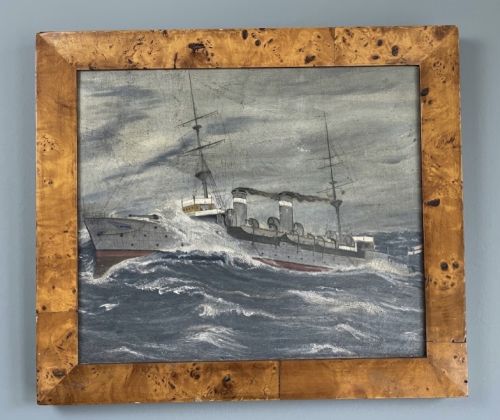
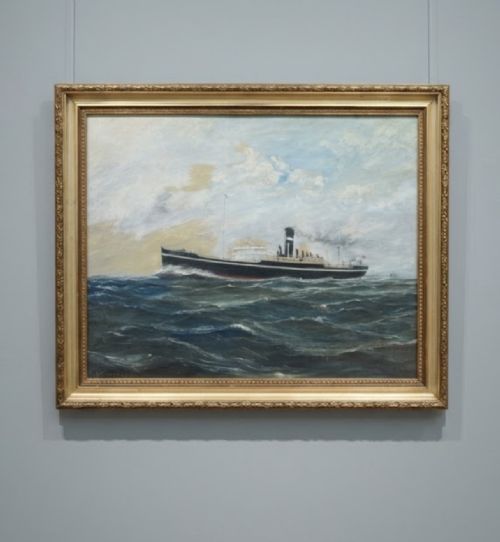
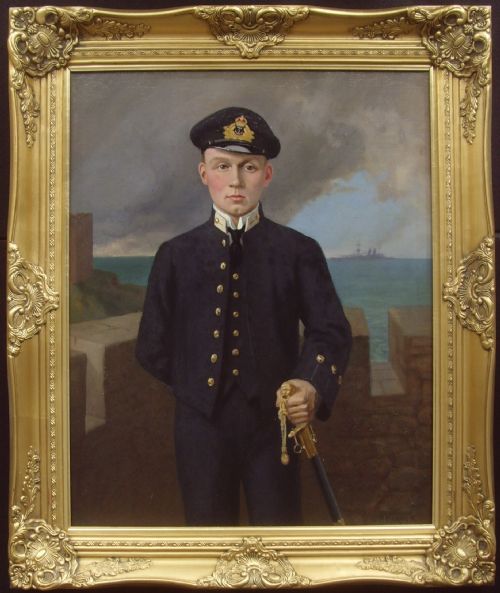
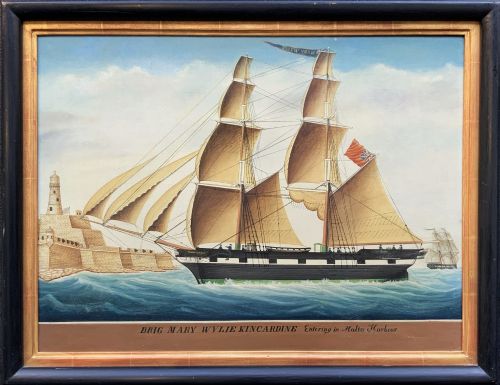
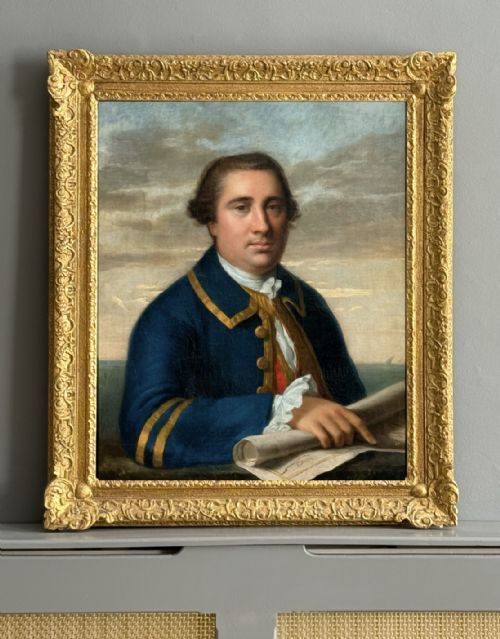
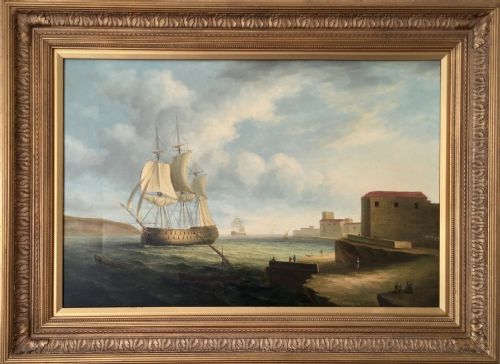
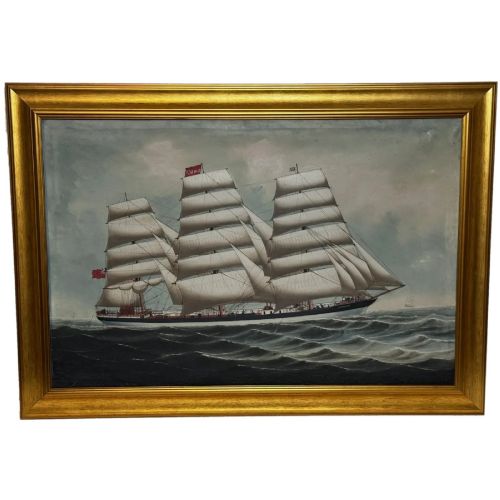
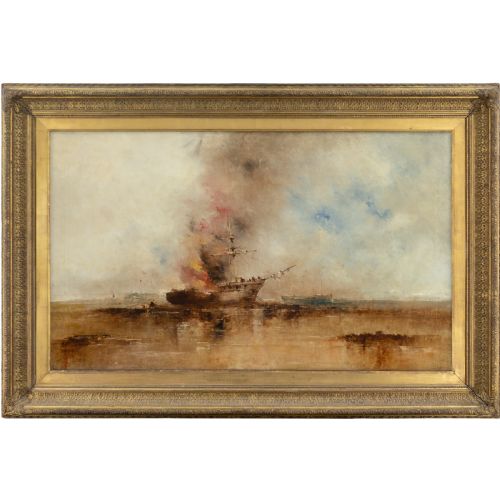
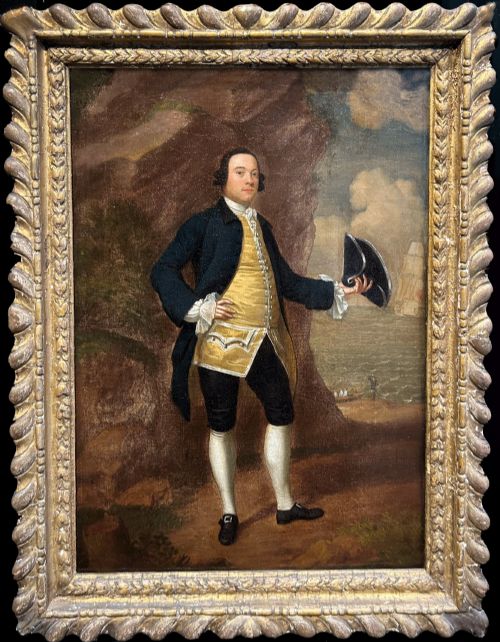
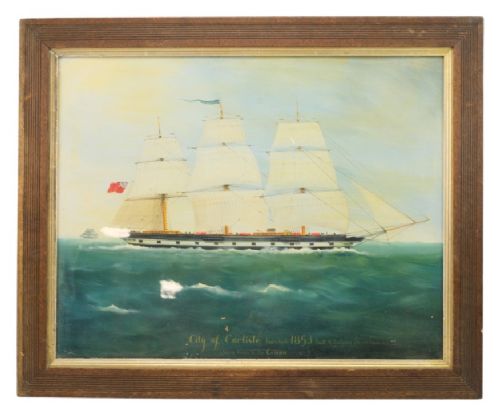
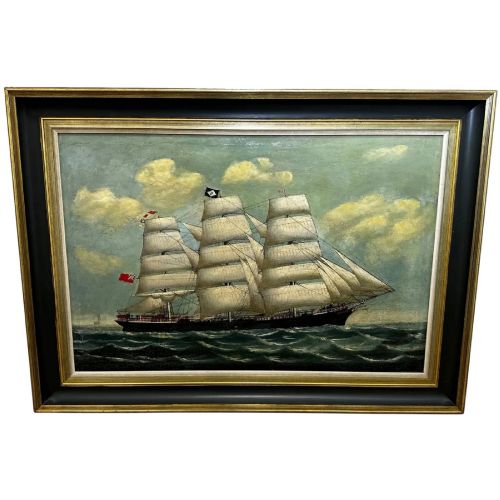
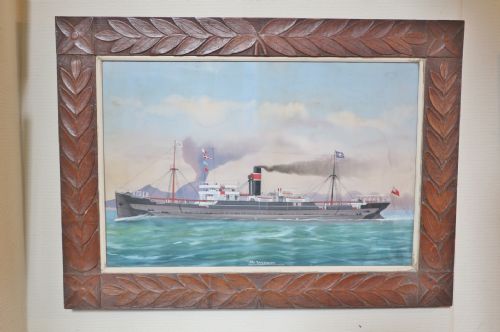
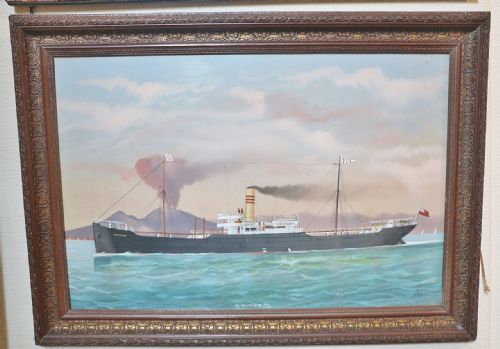
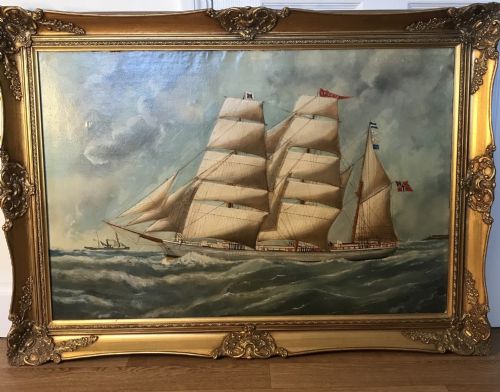
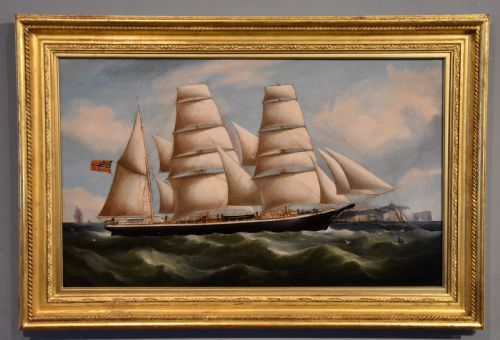
A maritime portrait oil painting focuses primarily on individual vessels, naval officers, merchant captains, and coastal folk rather than broad oceanic vistas. These works range from specific ship portraits recording named clippers and steamships to character studies of fishermen and naval commanders.
The examples most commonly found span from the eighteenth century through the Edwardian era and into the mid-twentieth century. Subjects extend from three-masted schooners and iron barques to specific naval cruisers and harbour scenes across Britain, Europe, and Asia.
Materials and construction
Many surviving pieces retain their original surrounds, often constructed from giltwood or finished with gold leaf. These frames complement the maritime subjects by enclosing the canvas within traditional decorative mouldings.
Maritime Portrait Oil Painting Retail Price Guide 2026
Typical asking prices for maritime portrait oil painting among the pieces listed under this phrase on Sellingantiques today, from the lower quarter to the upper quarter. They describe what is for sale here now, not the wider market.
Among the towering clipper ships and naval captains, a lone shipwrecked Saint Bernard dog paddles toward New York.
Judging the work
Quality rests upon the artist's technical precision in depicting nautical architecture, rigging details, and human anatomy. Works by documented painters or established marine specialists show a surer hand in rendering water movement and vessel perspective.
The distinction also lies in the historical clarity of the subject, where accurately named ships and identifiable locations provide greater documentary value alongside artistic merit.
Lemuel Francis Abbott·Francis Hayman·Joseph Heard·John Simmons
The Maritime Portrait Oil Painting Glossary
- Barque
- A sailing vessel with three or more masts having the fore and main masts square-rigged and the mizzen mast fore-and-aft rigged. This rig was common for long-distance cargo transport in the nineteenth century.
- Pierhead painting
- A specialised genre of ship portrait created to commemorate a vessel's arrival or departure at a specific port. These works were frequently commissioned by captains or shipowners.
- Giltwood
- Wood that has been prepared and coated with a thin layer of gold leaf or metal powder. It provides a traditional reflective border for oil paintings from the eighteenth and nineteenth centuries.
- Rigging
- The system of ropes, cables, and chains used to support a ship's masts and control its sails. Accurate depiction of rigging is a primary marker of skill in marine art.
Maritime Portrait Oil Painting: Frequently Asked Questions
What is a maritime portrait oil painting?
A maritime portrait oil painting is a work on canvas or panel that depicts a specific ship, naval officer, or seafaring person as its primary subject. These pieces serve as both historical records and works of fine art.
Unlike general seascapes, they concentrate on the distinct identity of the vessel or sitter, often capturing named ships off specific coasts or harbours.
How do I identify the ship in a painting?
Many ship portraits include painted lettering on the hull, stern flags, or inscriptions on the canvas stretcher identifying the vessel's name. Background landmarks like lighthouses or specific ports also offer clues.
Matching the visual details of the rigging and flag signals against historical shipping records helps confirm the exact identity of the vessel.
Where should I hang a marine painting?
These paintings suit traditional studies, libraries, or living spaces with good natural light that avoids direct, harsh sunbeams. Placing them away from heat sources protects both the oil paint and the wooden stretcher bars.
Consider pairing them with neutral walls that allow the deep blues and golds of nineteenth-century maritime canvases to stand out.
How do I care for an oil painting on canvas?
Keep the canvas away from excessive moisture and rapid temperature swings to prevent the oil paint from cracking or the wood from warping. Dust the surface very gently with a soft, dry brush without applying pressure.
Avoid using commercial cleaning sprays or water on the painted surface, and consult a professional conservator if the canvas requires deeper cleaning.