



Vintage Military Memorabilia
Vintage military memorabilia comprises artefacts from twentieth-century conflicts, offering collectors tangible connections to pivotal historical events through operational equipment, commemorative pieces and personal tokens.
Vintage Military Memorabilia
Vintage military memorabilia encompasses a diverse assortment of objects connected to armed forces and warfare from the early to mid-twentieth century. When searching for vintage military memorabilia, collectors encounter equipment, instruments and personal items spanning the Edwardian era through the Second World War.
The selections on this page feature items originating from the 1910s, 1920s, 1930s and 1940s. These pieces reflect the technological advancement, domestic life and operational demands associated with global conflicts and military service.
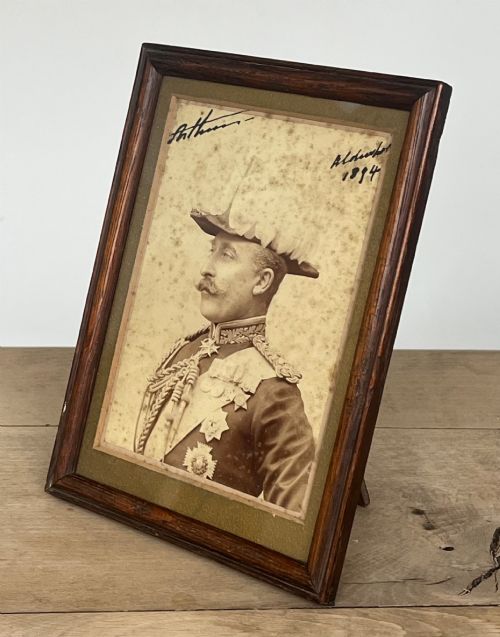
Common forms include operational hardware such as military periscopes and aviation gauges alongside domestic and decorative items like character jugs, smoking pipes and photograph frames. Objects range from utilitarian tool boxes to commemorative models and portraits.
Materials and construction
These items utilise robust materials suited to military utility and commemoration, predominantly featuring brass, iron, bronze and silver plate alongside structural woods such as pine and oak. Metal components are cast, machined or plated, whilst organic materials like horn and wood display traditional carving and shaping techniques.
Items associated with aviation and ground operations incorporate specialised glass dials, marked metal casings and fitted wooden housings designed for durability in service conditions. Decorative pieces employ finer finishes, including silver plating and hand-painted details on ceramics and canvas.
Vintage Military Memorabilia Retail Price Guide 2026
Typical asking prices for vintage military memorabilia among the pieces listed under this phrase on Sellingantiques today, from the lower quarter to the upper quarter. They describe what is for sale here now, not the wider market.
A carved wood and horn propaganda pipe from the First World War demonstrates that soldiers found room for amusement amidst conflict.
Assessing quality and authenticity
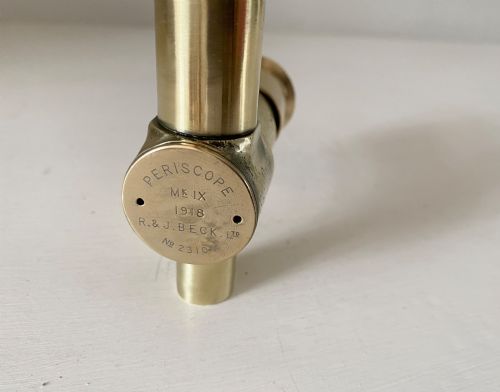
Quality in these pieces rests upon the integrity of original markings, maker inscriptions and historical association. Items bearing clear manufacturer stamps, such as optical instruments and engine company boxes, demonstrate higher documentary value.
The standard of execution in bespoke or trench art pieces, from carved horn pipes to cast metal models, indicates the skill of the maker. Preservation of original surface finishes, silver plating and mechanical components distinguishes superior examples.
R & J Beck Ltd·Gnome Et Le Rhone Engine Company·Kershaw Schofield
The Vintage Military Memorabilia Glossary
- Periscope
- An optical instrument used for observation over, around or through an object or obstacle. These devices were adapted for trench warfare to allow sighting without exposing the observer.
- Trench art
- Decorative and utilitarian objects created by soldiers, prisoners of war or civilians from war scrap and munitions. Common materials include shell cases, wood and bone.
- Character jug
- A ceramic pitcher depicting the head of a recognizable figure, historical personage or character type. Production often commemorated prominent military leaders.
- Silver plate
- A layer of silver applied to a base metal object to give the appearance of solid silver. This technique was widely used for commemorative photograph frames and models.
- Aviation gauge
- An instrument mounted in an aircraft cockpit to measure flight data such as altitude. These mechanical devices feature marked glass dials and metal housings.
Vintage Military Memorabilia: Frequently Asked Questions
What periods do these pieces cover?
The selection spans the Edwardian era through the 1940s, encompassing items produced during the First World War and the Second World War.
Dating is determined by stylistic evidence, operational markings and known periods of manufacture for specific equipment types.
How were trench art items made?
Soldiers and civilians utilised available materials such as scrap metal, wood and horn to fashion practical and decorative objects during wartime.
Techniques included carving, etching and shaping using basic hand tools available in camp or frontline environments.
What materials are commonly found?
Items frequently incorporate metals such as brass, iron, bronze and silver plate, alongside various woods like pine and oak.
Glass, marble and horn also appear in specific functional and decorative objects from the period.
How do I identify military instruments?
Operational items often feature stamped manufacturer names, part numbers or service marks directly onto the metal casing.
Compasses, periscopes and altimeters generally retain specific dials and housing designs unique to their military application.