

Vintage Metalware
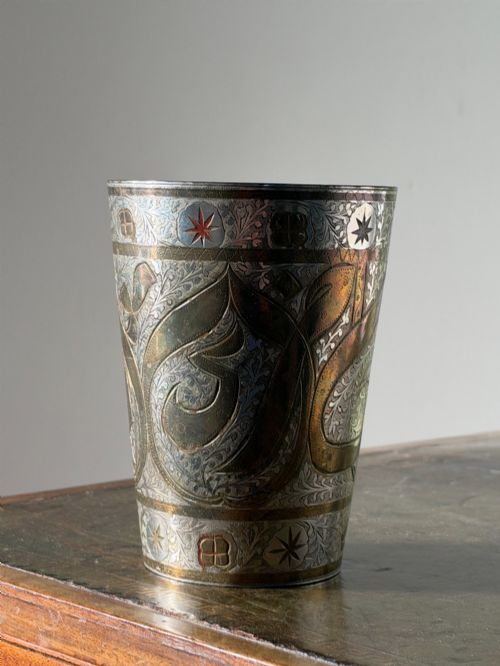
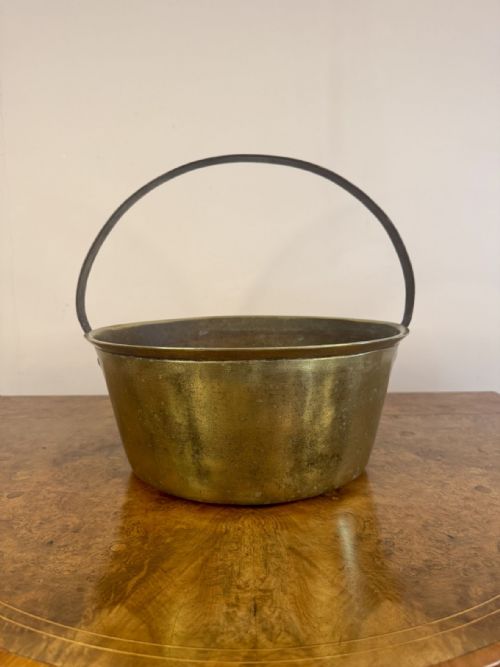
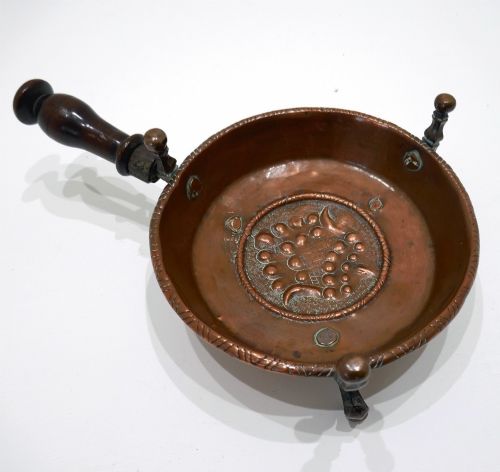
These vintage metalware pieces span domestic kitchenware and decorative vessels forged in brass, copper, pewter, and bronze across multiple centuries.
Vintage Metalware
Vintage metalware spans utilitarian kitchen equipment and decorative vessels originating from domestic and international workshops. Buyers seek these items for their robust utility and expressive surface patination developed over generations.
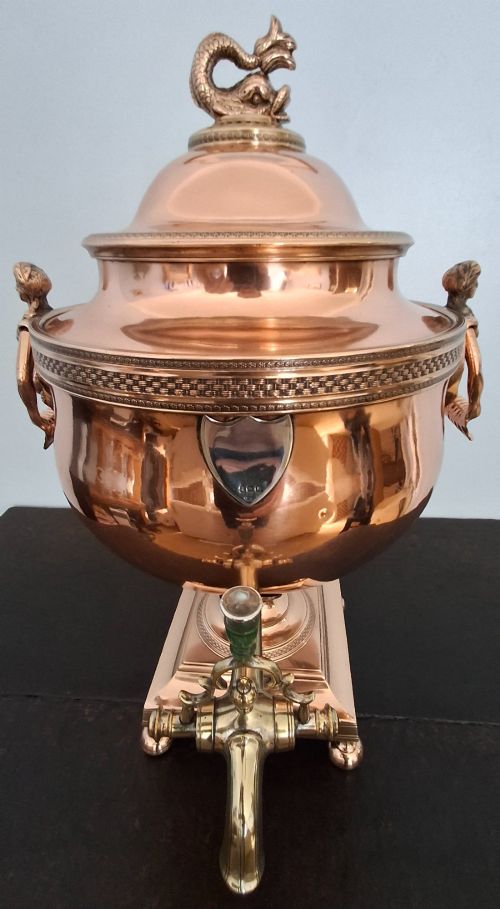
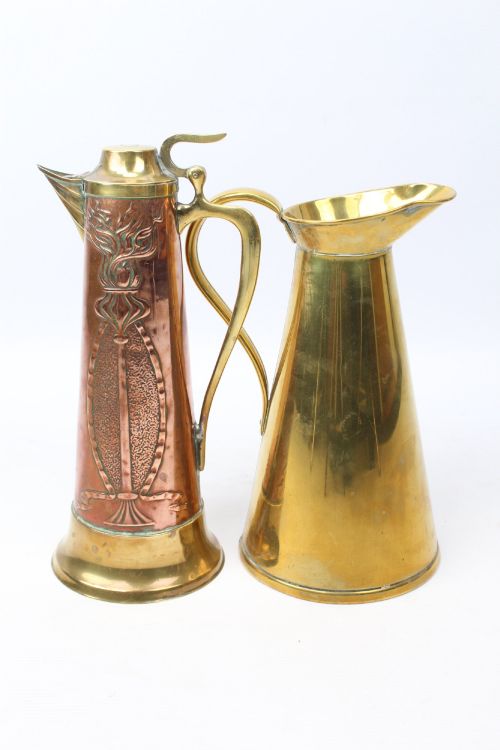
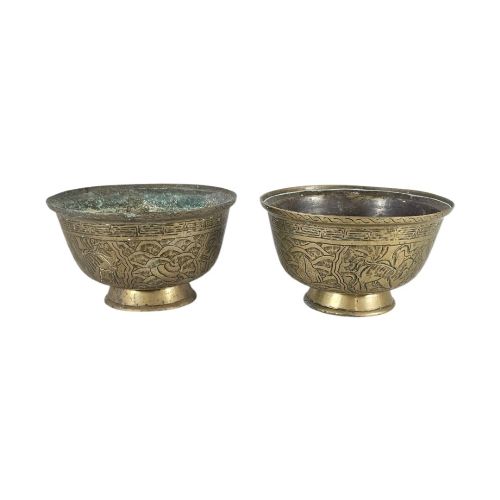
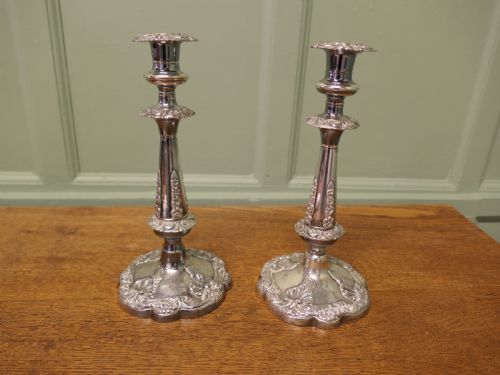
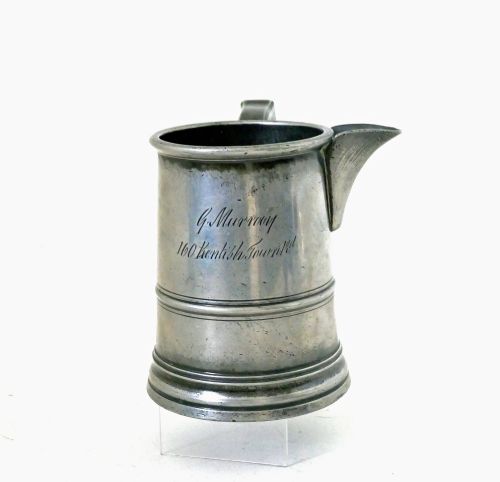
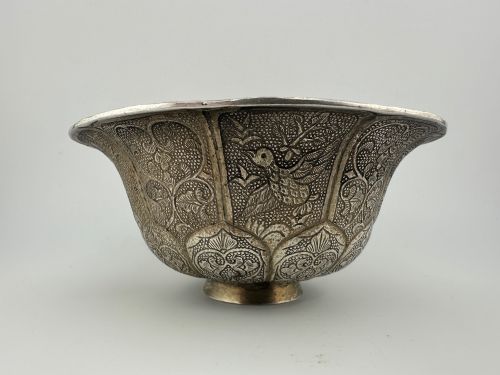
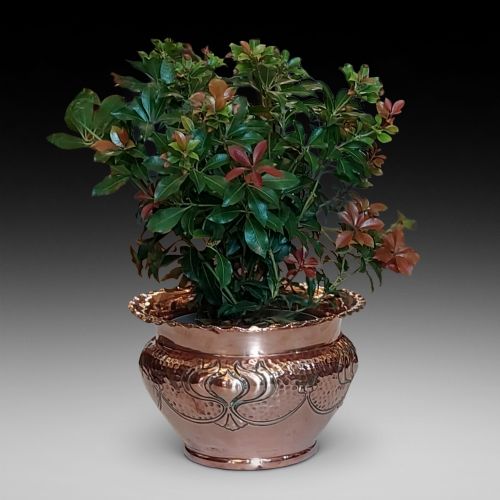
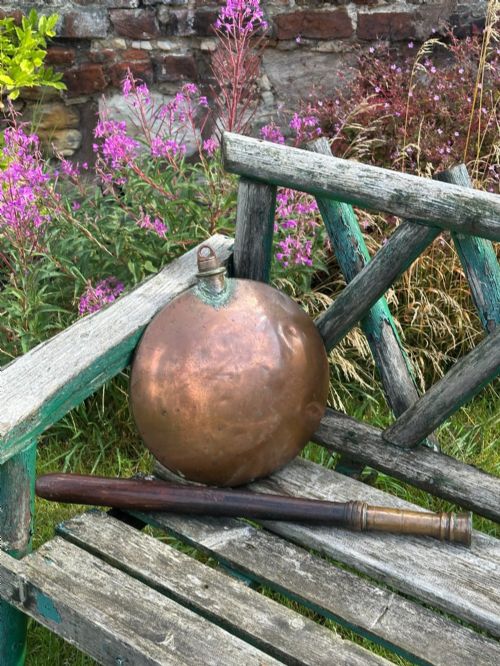
The selections on this page concentrate heavily on functional items from the Georgian and Victorian eras alongside continental and Asian decorative arts. Domestic copper and brass pieces like kettles, samovars, and candlesticks appear with regularity alongside pewter jugs and oriental bronze bowls.
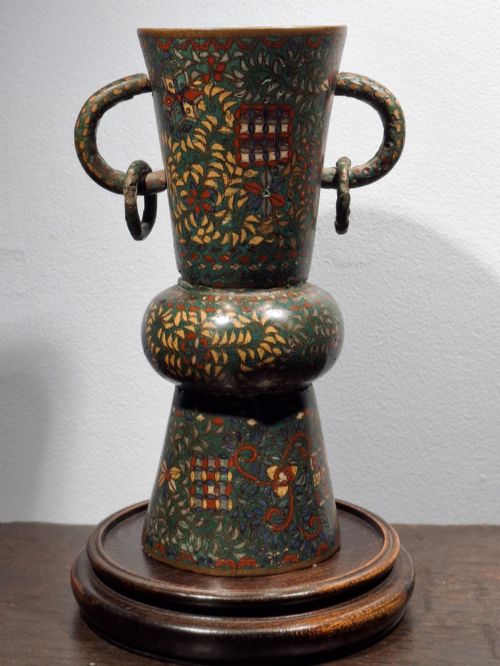
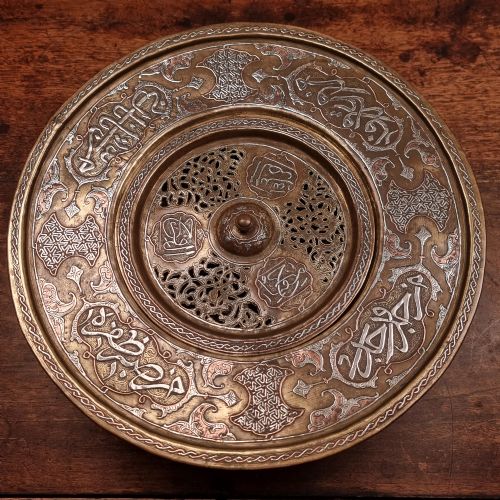
Objects range from simple English tavern measures to ornate Middle Eastern inlaid dishes and Japanese cloisonne. Each piece carries the distinct hammer marks, casting flaws, or engraving styles of its period of manufacture.
Materials and methods of construction
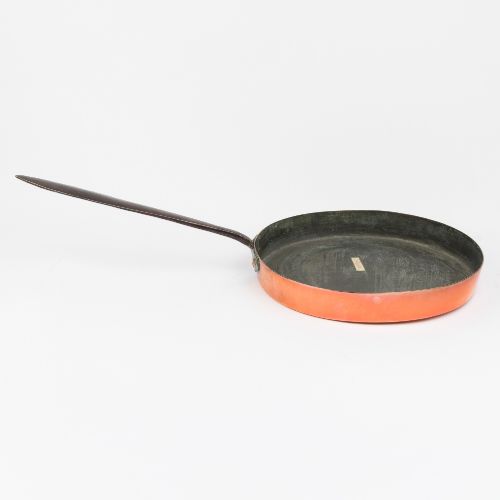
Makers utilised various alloys and base metals, primarily shaping copper, brass, pewter, and bronze through hammering, casting, and spinning. Heavy copper cookware and tea urns often feature dovetailed or riveted seams finished by hand, while candlesticks and mortars utilise multi-part brass or bronze castings.
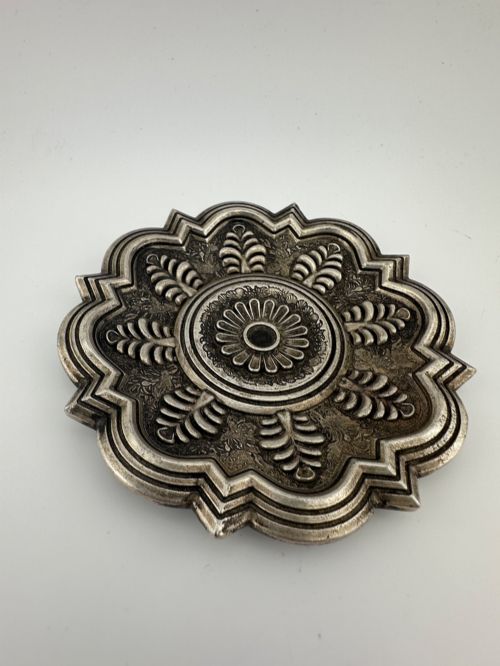
Surface embellishment required specialist techniques such as silver plating, white metal application, and intricate hand engraving or silver inlay found on Islamic and Chinese export wares. Wooden elements like handles or fruitwood forms occasionally complement the metal structures, fastened with iron or brass pins.
Vintage Metalware Retail Price Guide 2026
Typical asking prices for vintage metalware among the pieces listed under this phrase on Sellingantiques today, from the lower quarter to the upper quarter. They describe what is for sale here now, not the wider market.
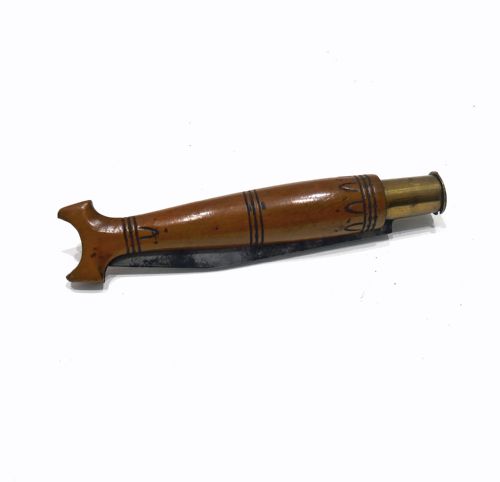
Someone carved a nineteenth-century French pocketknife out of solid fruitwood specifically to mimic the slippery scales of a freshly caught river fish.
Determinants of quality in metal objects
Quality rests in the heaviness of the gauge used, the crispness of cast details on pieces like candlesticks and mortars, and the integrity of original hand-beaten seams. Superior examples retain their structural thickness without excessive thinning from centuries of vigorous cleaning.
Maker attribution and decorative ambition elevate certain pieces above standard utilitarian wares, separating basic workshop output from finely engraved or inlaid examples of regional metalwork.
Dixon & Son·William Soutter & Sons·Joseph Sankey·Christofle
The Vintage Metalware Glossary
- Patina
- The natural surface oxidation and darkening acquired by metals over long periods of exposure to air and handling. It indicates age and careful preservation.
- Pewter
- A malleable alloy composed principally of tin mixed with copper and antimony. It was traditionally utilised for domestic tableware and tavern drinking vessels.
- Samovar
- A heated metal container traditionally used to boil water for tea. These vessels frequently incorporate internal flues and spigots.
- Cloisonne
- An ancient decorative technique where metal wires are soldered onto a base to form compartments filled with enamel paste. These are subsequently fired and polished smooth.
- Mortar and pestle
- A heavy bowl and club-shaped tool used for grinding spices, herbs, or medicinal substances. They are commonly cast in solid bronze or brass.
Vintage Metalware: Frequently Asked Questions
How do I clean antique brass and copper?
Most collectors prefer to preserve the accumulated darkening and warm tones known as patina rather than polishing metal to a bright shine. Gentle washing with warm soapy water removes surface dirt without stripping the historic character.
Abrasive compounds and harsh chemical dips strip away microscopic layers of the original surface and diminish the value of older metalware. Regular dusting with a soft cloth keeps decorative bowls and kettles in stable condition.
Are old copper pans safe for cooking?
Many historical copper vessels intended for culinary use feature an interior lining of tin to prevent the copper from reacting with acidic foods. Over long periods of use, this soft lining wears thin and requires professional re-tinning before active kitchen duty.
Pure copper interacts chemically with certain ingredients, making unlined antique cookware more suitable for display than modern food preparation. Inspect the interior surfaces closely to determine if the protective coating remains intact.
What is the difference between brass and bronze?
Brass is an alloy made primarily from copper and zinc, yielding a bright yellow colour that varies depending on the specific ratio of metals. It was widely utilised for candlesticks, desk accessories, and decorative hardware throughout the Georgian and Victorian periods.
Bronze consists of copper combined with tin or other elements, producing a darker, denser metal traditionally chosen for mortars, heavy statuary, and oriental vessels. Bronze resists corrosion effectively and develops a deep, rich brown or green oxidation over centuries.
How can I date antique pewter?
Pewter pieces often carry touchmarks, maker stamps, or ownership initials engraved directly into the metal surface. Comparing these touchmarks against historical guild records helps narrow down the decade of production.
The weight, wall thickness, and bowl or handle design also offer clues, as earlier pieces tend to be heavier and cast with simpler, more functional lines compared to later ornate revival styles.