







Vintage Metallic Sculpture
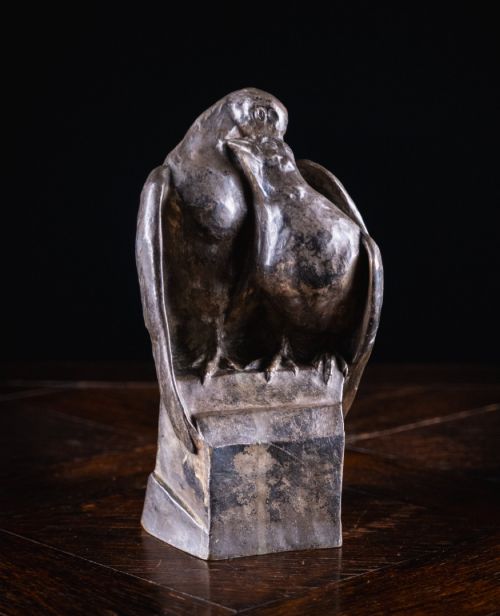
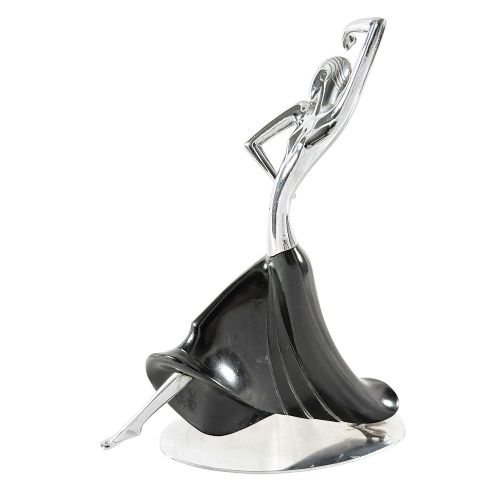
These vintage metallic sculpture pieces bring striking industrial presence and modernist lines into a room, offering bold decorative weight.
Vintage Metallic Sculpture
When you search for vintage metallic sculpture, you are looking at solid metal forms, decorative figures and desk accessories that span from the nineteenth century into the mid-twentieth century. These pieces capture human figures, athletic subjects, animals and architectural obelisks through enduring metalwork.
You are most likely to meet Art Deco period works on this page, particularly French figures and dancers created from spelter, bronze and chrome plate. Alongside these, nineteenth-century bronze statuary and novelty desk ornaments represent the broader scope of available decorative metalwork.
The objects range from large statues of musketeers and tennis players to smaller novelties like aluminium desk ornaments and twin obelisks. They draw on French academic and Victorian traditions as well as the sleek geometries of the nineteen-thirties.
How they were made
Maker techniques rely heavily on casting, utilising metals such as bronze, spelter, nickel bronze, aluminium and patinated or painted metal. Spelter provides an accessible alloy for detailed figures, while traditional bronze allows for sharper definition in classical and modernist casting.
Many sculptures incorporate mixed media elements, mounting metal figures directly onto marble or onyx bases for stability and aesthetic contrast. Surface finishes vary from chrome plating and copper lustre to deliberate patination and painted highlights that emphasise the sculptural contours.
Listings span the nineteenth century through the nineteen-forties, uniting Victorian subjects with Art Deco metal figures and desk accessories.
What varies in quality
The integrity of the surface finish and the quality of the mounting materials, such as genuine heavy marble or onyx plinths, separate finer studio pieces from standard decorative wares. Heavier metal gauge and sophisticated patination indicate a higher standard of manufacture.
Frederique Cederlund Ozanne·Edouard Drouot·L Gerfaux·Josef Lorenzl·Michel Decoux
The Vintage Metallic Sculpture Glossary
- Spelter
- A zinc alloy commonly used as a substitute for bronze in decorative figures, often given a patinated finish to mimic more precious metals.
- Patinated metal
- Metal treated with chemicals or paint to produce a rich surface colour or aged appearance.
- Nickel bronze
- An alloy containing nickel that offers a bright, corrosion-resistant surface with a silver tone.
- Obelisk
- A tall, four-sided, narrow tapering monument that ends in a pyramid-like shape at the top, used here as a decorative architectural form.
Vintage Metallic Sculpture: Frequently Asked Questions
How do I clean vintage metal sculptures?
Dust gently with a soft, dry cloth to remove surface particles without disturbing the original patina or painted details.
Avoid using abrasive metal polishes or harsh chemical cleaners, as these can strip away historic patination and damage the finish.
Are these sculptures solid bronze?
The pieces utilise a variety of metals, including genuine bronze, nickel bronze, aluminium and spelter.
Check the listing details and weight to identify whether a piece is cast in heavier bronze or a lighter alloy.
How can I tell Art Deco pieces apart?
Art Deco pieces typically feature streamlined geometric forms, stylised figures in motion, and subjects like dancers, athletes or animals.
Nineteenth-century works tend to follow more classical academic traditions with ornate detailing and romantic narrative themes.
Where should I display these sculptures?
Place them on sturdy surfaces such as mantelpieces, desks or dedicated display cabinets where their weight and form can be safely appreciated.
Keep them away from direct sunlight and damp environments to protect both the metal surfaces and any attached stone bases.