


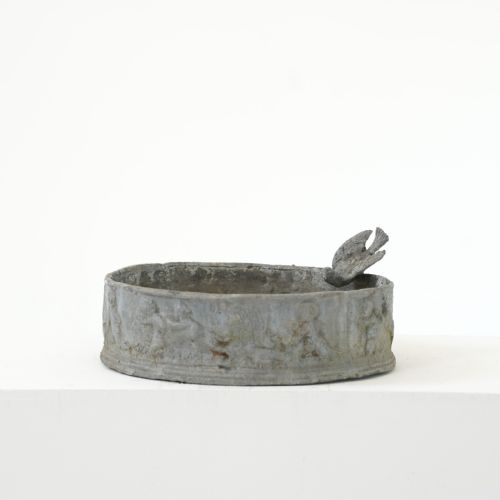

Vintage Metal Trough
A vintage metal trough serves utilitarian roots with heavy-gauge resilience, bringing practical garden vessels and indoor jardinieres into domestic spaces.
Vintage Metal Trough
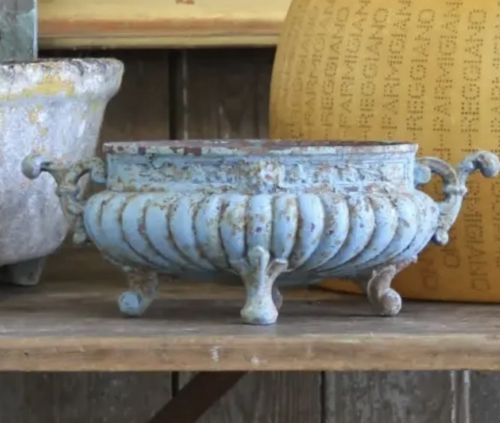
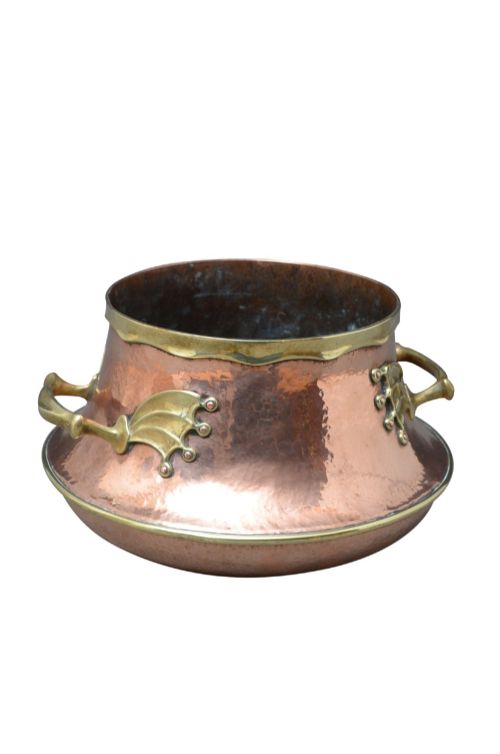
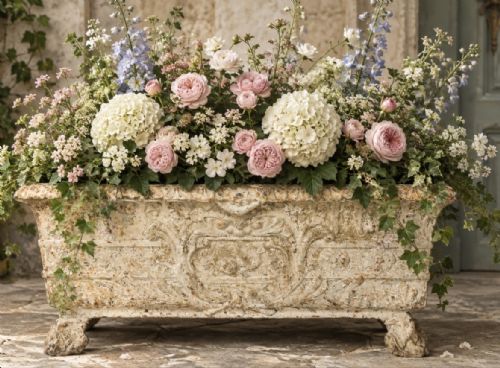
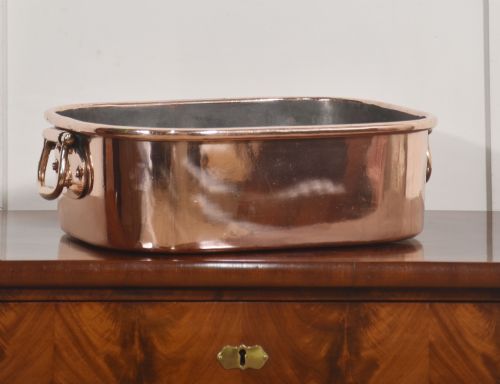
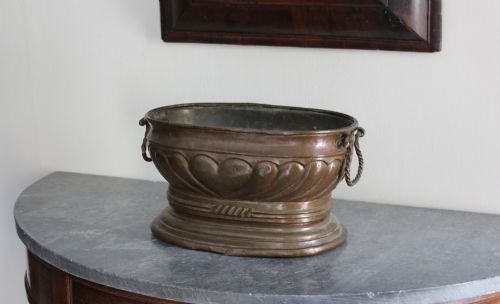
A vintage metal trough encompasses heavy iron, copper, brass, and zinc vessels originally built for holding plants, water, or domestic goods. These pieces bridge functional garden items and decorative interior planters.
Most examples found here date from the nineteenth and early twentieth centuries, spanning Victorian, Edwardian, and French country aesthetics. Forms range from simple galvanised storage tubs to ornate brass and cast iron jardinieres.
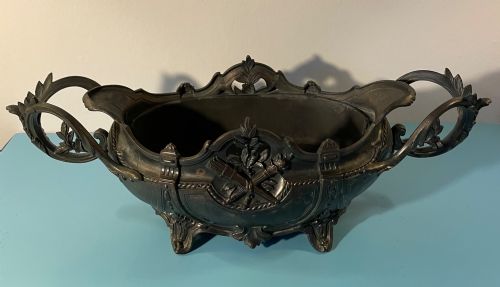
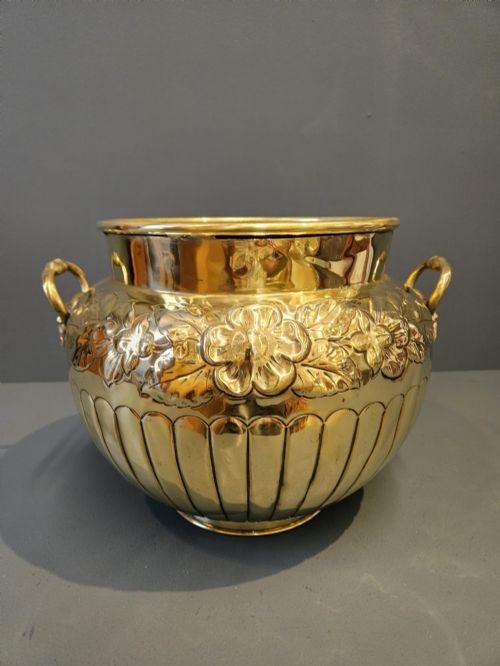
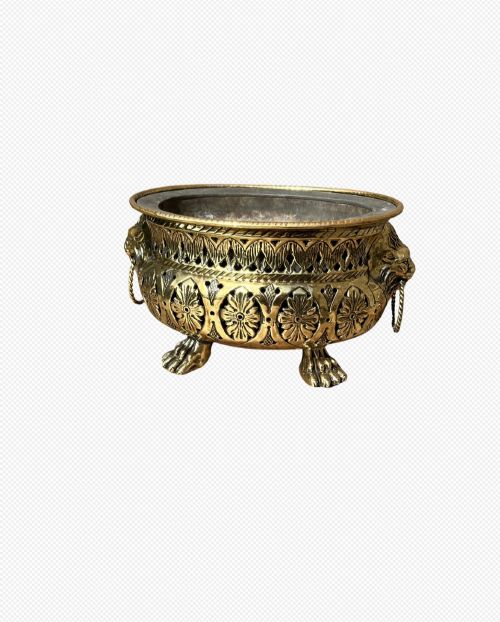
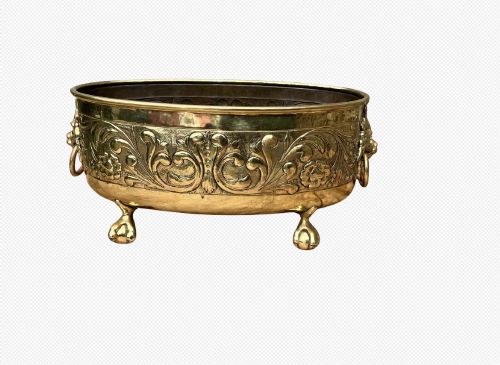
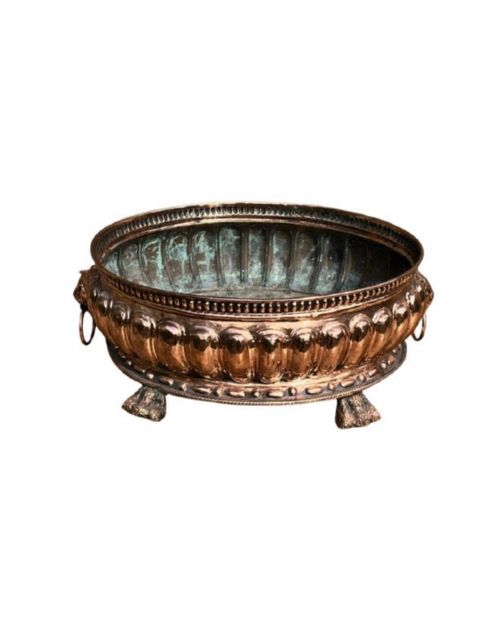
Buyers encounter everything from utilitarian iron workshop bins to elaborately pierced or repoussé brass vessels designed for conservatory display. Each item reflects the industrial and domestic needs of its original period.
Materials and construction methods
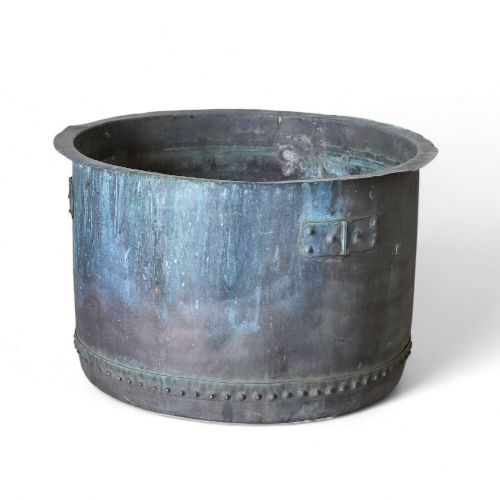
Copper and brass pieces frequently utilise hand-riveted joints and heavy-gauge sheeting to ensure watertight integrity, particularly in wine coolers and plant vessels. Artisans shaped these softer metals by hand, sometimes adding decorative handles or animal head mounts.
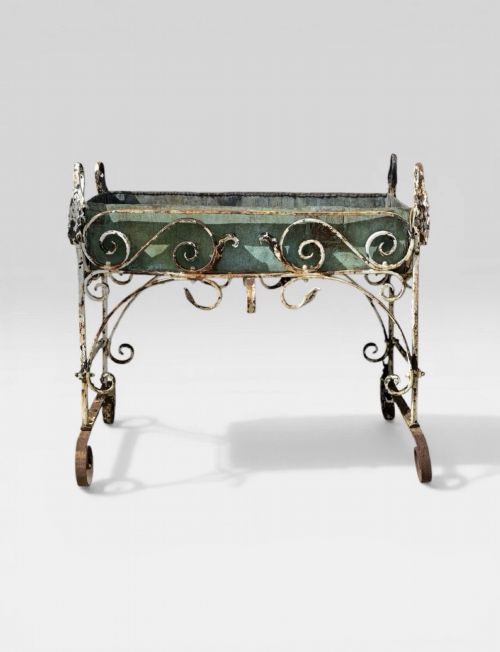
Cast iron and wrought iron items rely on traditional foundry casting and strapwork forging to achieve rigid, load-bearing garden structures. Zinc and galvanised iron options provide weather-resistant durability for exterior use.
Surface finishing includes repoussé hammering on brass and natural oxidation processes that generate rich patinas over decades of exposure. Wood liners or internal lead linings occasionally support living plants within metal outer shells.
Current selections span the eighteenth, nineteenth, and twentieth centuries, featuring materials from basic galvanised iron to fine brass and copper.
Assessing quality in metal vessels
Metal thickness and structural gauge dictate the longevity and original purpose of each trough, with heavier walled examples offering superior durability. Substantial weight in cast iron or solid copper indicates robust manufacturing standards.
The integrity of joints, riveting, and original mounts separates standard utility items from decorative pieces meant for formal reception rooms or conservatories. Hand-finished details like repoussé work or intricate wirework show greater artisan investment.
Surface condition and natural patination affect visual appeal, where undisturbed oxidation adds character without compromising structural strength. Original linings, matched pairs, and uncompromised structural forms command higher regard among collectors.
The Vintage Metal Trough Glossary
- Jardiniere
- An ornamental pot or stand for holding plants or flowers. These vessels sit indoors on tables or plant stands.
- Repousse
- A metalworking technique where the artisan hammers the metal from the reverse side to form a raised design in relief. This method creates textured surface patterns on brass and copper vessels.
- Galvanised
- Iron or steel coated with a protective layer of zinc to prevent rusting. This process protects outdoor troughs and storage bins from weather damage.
- Strapwork
- Ornamental work consisting of flattened bands or ribbons, often intersecting in geometric patterns. Wrought iron planters frequently utilise this technique for structural reinforcement and decoration.
- Patina
- A surface coloration resulting from age, oxidation, and regular use. This natural finish develops on copper, brass, and bronze over long periods.
Vintage Metal Trough: Frequently Asked Questions
How do I clean an antique copper trough?
Wash the surface gently with warm water and mild soap using a soft cloth to remove accumulated dust. Avoid harsh chemical cleaners that strip away the aged patina collected over centuries.
Dry the metal thoroughly with a soft towel to prevent water spots. Leaving the natural oxidation untouched preserves the historical character of the piece.
Can these metal troughs stay outdoors year round?
Cast iron, zinc, and galvanised metal withstand outdoor garden environments well through changing seasons. Ensure drainage holes remain clear if planting directly inside the vessel.
Copper and brass vessels benefit from sheltered patio placement or indoor display to protect finer details. Freezing water can crack saturated cast iron if left stagnant during winter months.
What is the difference between a jardiniere and a planter?
A jardiniere traditionally functions as an ornamental indoor container designed to house potted plants out of sight. These pieces often feature decorative elements like brass mounts or repoussé panels.
Planters serve a more direct horticultural purpose, holding soil and plants with less decorative embellishment. Many antique metal vessels bridge both definitions depending on their original placement.
How do I date a cast iron garden trough?
Examine the casting texture and seam lines for evidence of nineteenth-century sand-moulding techniques. Rougher surfaces and hand-finished edges typically point towards Victorian or earlier manufacture.
Look for design styles matching Arts and Crafts or Regency periods indicated in the construction. Maker marks or registry numbers stamped into the metal provide precise chronological clues.