


Antique Metal Basin
These antique metal basin examples span centuries of utility and display, offering robust copper, brass, and bronze vessels for modern interiors.
Antique Metal Basin
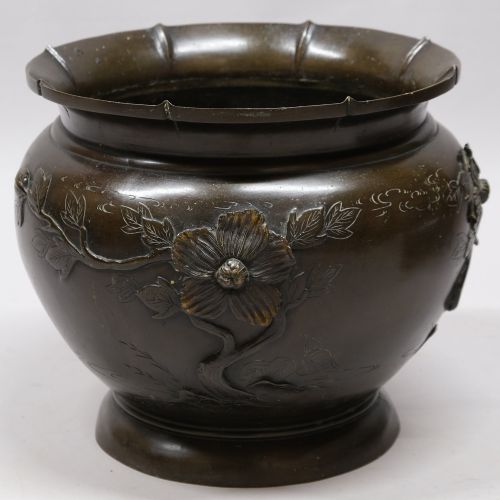
When you search for an antique metal basin, you encounter a diverse array of utilitarian vessels and decorative bowls spanning from the sixteenth century to the Victorian era. The selection ranges from heavy copper preserving pans and cheese vats to intricate Islamic wash bowls and Japanese bronze jardiniere pieces.
The version you are most likely to meet on this page is a nineteenth-century copper vessel, such as a jam pan, boiler, or grain measure, reflecting the heavy domestic and agricultural utility of the period. Alongside these utilitarian items appear Chinese bronze bowls, French and Italian jardinieres, and fifteenth-century Mamluk engraved brass basins.
How they were made
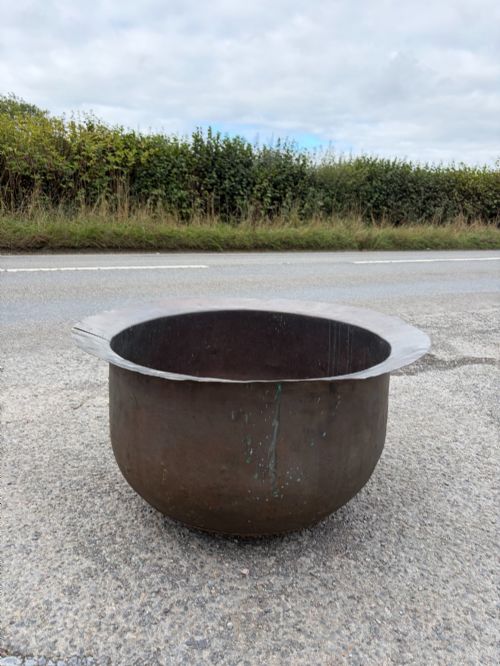
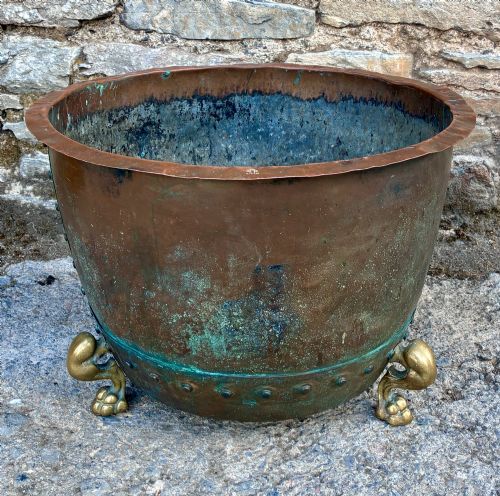
The construction of these vessels relies heavily on copper, brass, and bronze, shaped through hammering, casting, and riveting. Artisans hammered sheets of copper into large preserving pans and cheese vats, often joining seams with visible hand-driven rivets to ensure structural strength under heavy use.
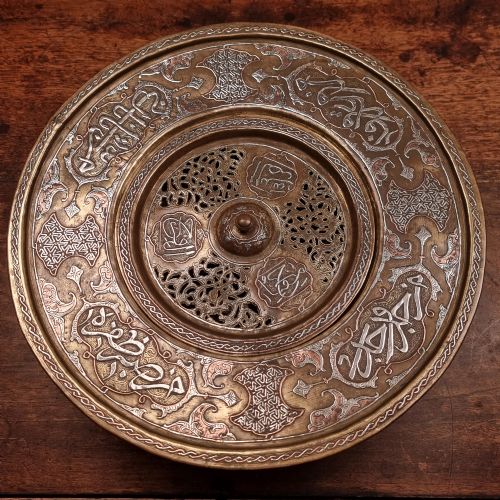
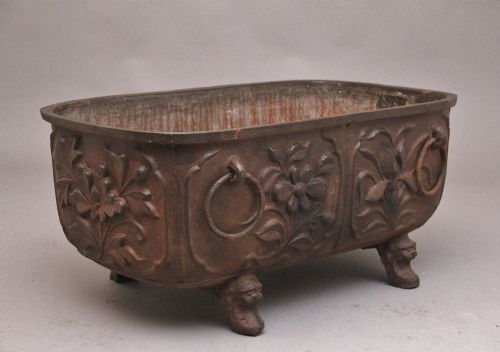
Engraved and inlaid techniques define the decorative examples, seen in Mamluk brass basins and Islamic silver inlaid wash bowls where intricate patterns pierce or decorate the metal surface. Cast iron and bronze pieces utilise moulding methods, yielding substantial temple baths, urns, and ritualistic food bowls with marked script or patinated finishes.
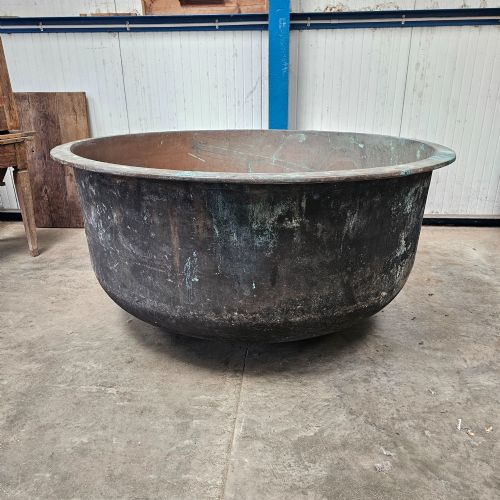
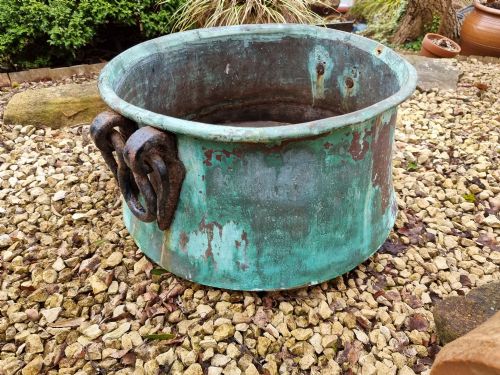
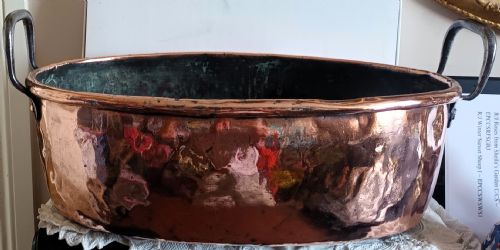
A French cheese vat hides its industrial dairy past behind a glowing expanse of heavy weathered copper.
What varies in quality
The standard of an antique metal basin rests on the integrity of its metalwork, the weight of the material, and the crispness of any engraved or cast detail. Substantial gauge metal and robust riveted construction distinguish high-utility culinary vessels like preserving pans from lighter modern imitations.
In decorative and oriental pieces, quality is evident in the depth of hand-engraving, the complexity of metal inlay such as silver work on brass, and the natural development of surface patination and verdigris over time.
Liberty & Co·WMF·Hodges & Sons·Shanks
The Antique Metal Basin Glossary
- Verdigris
- A green or bluish patina formed on copper, brass, or bronze surfaces through natural atmospheric weathering and oxidation. Collectors often value this stable chemical layer for its historic appearance.
- Cairoware
- A nineteenth-century term for metalwork, predominantly brass, inlaid with silver and copper, produced in Egypt and the Middle East in revival styles. It echoes medieval Islamic metal traditions.
- Preserving pan
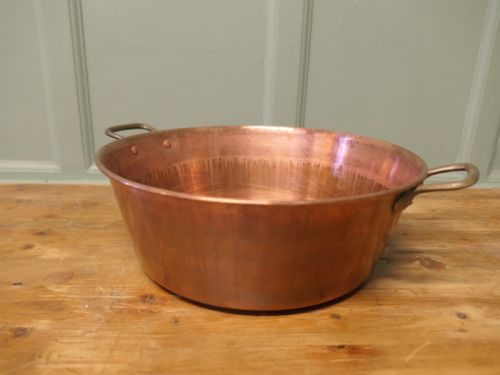
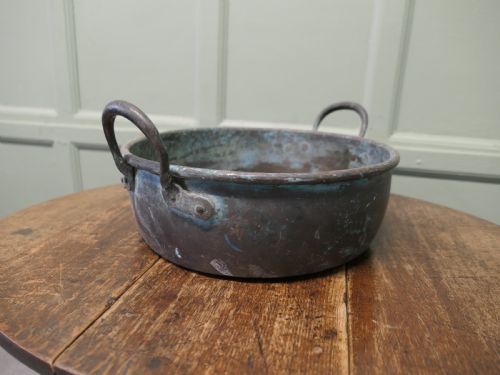
- A wide, shallow, heavy-bottomed pan traditionally utilised for boiling fruits and sugar in large kitchen quantities. They are typically fashioned from thick copper with iron or brass handles.
Antique Metal Basin: Frequently Asked Questions
What were copper preserving pans used for?
These large vessels were designed for boiling down fruits, jams, and preserves over an open fire or hearth. Their wide brims allowed rapid evaporation while the heavy copper distributed heat evenly.
Today, they serve widely as decorative plant planters, log holders, or fireside accessories within rustic farmhouse and traditional interiors.
How do I care for antique copper?
Maintaining these metal items requires minimal intervention, as many collectors prefer to preserve the natural aged patina and verdigris surface. Dusting with a dry cloth is usually sufficient for regular upkeep.
Avoid harsh chemical metal polishes unless you specifically wish to restore a bright, reflective copper sheen, which removes part of the historic surface character.
Are Mamluk basins from Egypt?
Historic Mamluk metalwork originates primarily from Egypt and Syria during the medieval Islamic period, featuring intricate engraved brass inlaid with precious metals. Later nineteenth-century revival pieces recreated these exact geometric and calligraphic motifs.
They function today as striking decorative table centrepieces or display bowls rather than active washing vessels.
How can I tell the age?
Dating relies upon examining manufacturing marks, construction techniques such as hand-riveting versus modern welding, and material composition. Earlier pieces from the sixteenth to eighteenth centuries often show hand-beaten irregularities and distinct engraving styles.
Nineteenth-century examples frequently bear maker stamps, specific patent details, or stylistic nods like Art Nouveau and Mamluk Revival.