





Vintage Metal Strongbox
A vintage metal strongbox brings heavy iron security and practical history straight into a modern room.
Vintage Metal Strongbox
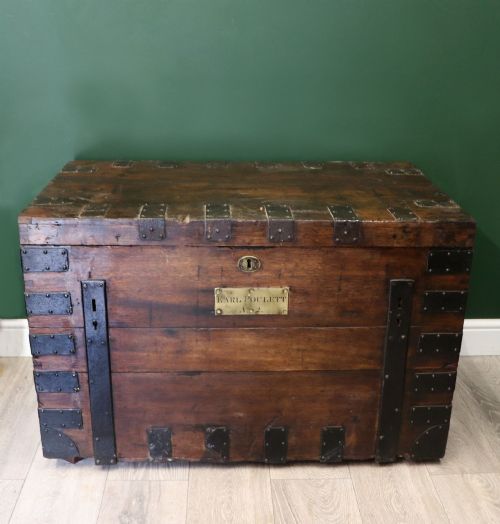
A vintage metal strongbox encompasses heavy iron safes, steel caskets, and metal-bound silver chests spanning from the seventeenth century through to the Victorian era. These utilitarian objects were built to protect valuables, documents, and family silver in country houses and merchant offices.
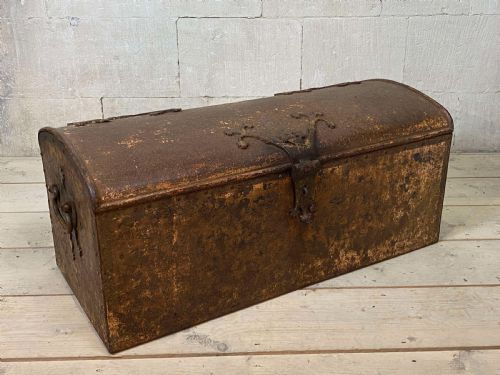
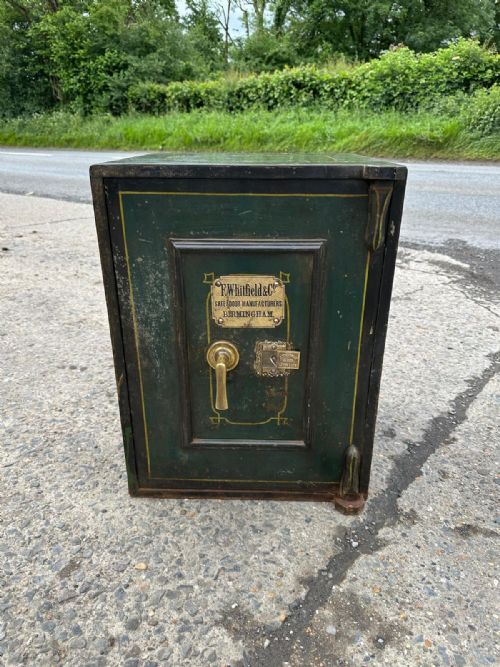
You are most likely to meet Victorian cast iron and steel examples on this page, often featuring elaborate brass locks and maker plates. Earlier pieces stretch back to seventeenth-century Iberian Baroque workshops and eighteenth-century Scandinavian folk art traditions.
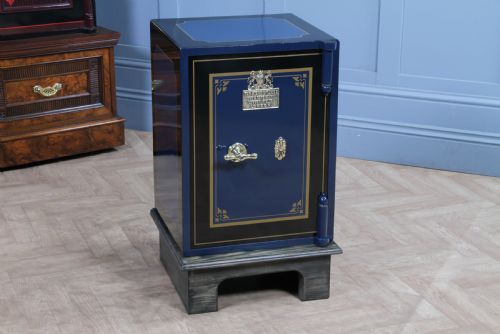
Forms range from compact table-top lock boxes to substantial floor-standing safes mounted on custom walnut stands. Each piece combines structural ironwork with timber linings or decorative exterior paintwork.
How they were made
Construction relies heavily on cast iron, wrought iron, and steel plates secured with robust rivets and heavy-duty hinges. Blacksmiths and early industrial manufacturers forged these metals to withstand both forced entry and fire.
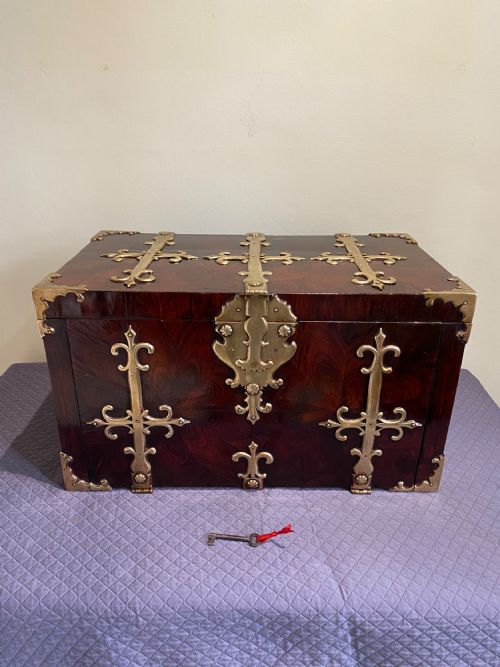
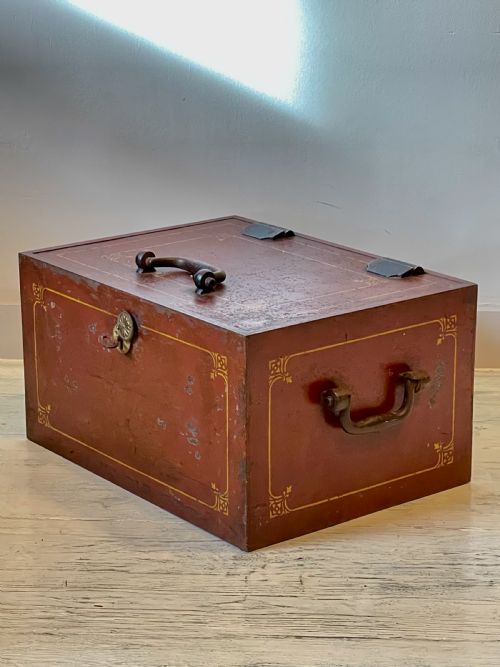
Many boxes incorporate timber frames of oak or kingwood beneath or inside the metal casing, adding internal weight and structure. Exterior surfaces often feature painted finishes or polished brass mounts, combining defensive utility with period craftsmanship.
Vintage Metal Strongbox Retail Price Guide 2026
Typical asking prices for vintage metal strongbox among the pieces listed under this phrase on Sellingantiques today, from the lower quarter to the upper quarter. They describe what is for sale here now, not the wider market.
Some nineteenth-century makers concealed keyholes behind sliding iron badges to trick casual thieves into wrestling with dummy panels.
What varies in quality
Quality rests in the complexity of the internal locking mechanism and the prestige of the maker. Master locksmiths integrated intricate lever systems and signed brass faceplates that elevate standard utility items into works of mechanical art.
The condition and survival of original painted finishes, decorative iron straps, and working keys distinguish superior examples. Pieces retained on their original or period stands show a higher original investment and better overall proportion.
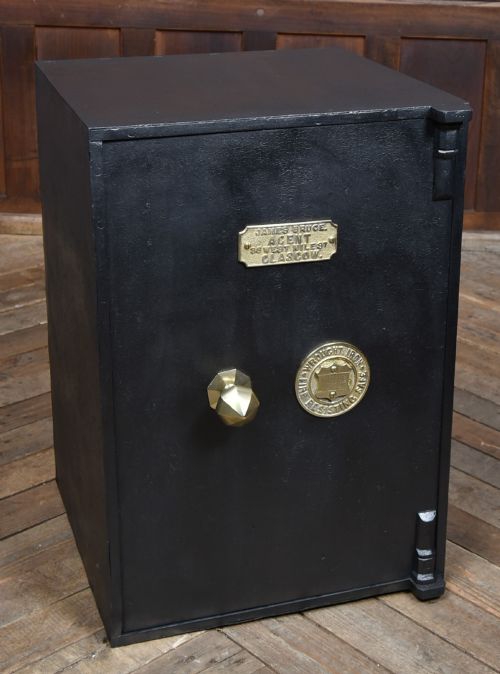
James Bruce Glasgow·Tanns Defiance London·F Whitfield And Co·Milners Of Liverpool·Waring And Sons·George Price
The Vintage Metal Strongbox Glossary
- Strongbox
- A secure container built from metal or metal-bound wood designed to protect valuables. These pieces rely on heavy locks and reinforced corners.
- Casket
- A smaller ornamental box, often fashioned from steel or precious woods. They frequently house documents, jewellery, or currency.
- Cast iron
- An iron-carbon alloy poured into moulds to create rigid structural plates. This material forms the primary body of many nineteenth-century safes.
- Wrought iron
- Iron beaten and worked by hand into strong, malleable shapes. Makers used this for strapwork, hinges, and exterior reinforcements.
- Gothic Revival
- A nineteenth-century architectural and decorative style drawing on medieval motifs. Strongboxes from this movement often feature pointed arches and heavy strapwork.
Vintage Metal Strongbox: Frequently Asked Questions
What is a vintage metal strongbox?
A vintage metal strongbox is a heavy-duty container fashioned from iron, steel, or metal-bound timber designed for secure storage. They originate from periods spanning the seventeenth to the nineteenth centuries.
These pieces served merchants, country houses, and banks before finding a second life as decorative and functional items in modern interiors.
How were strongboxes used originally?
Original owners used them to safeguard currency, legal deeds, plate silver, and important documents from theft and fire. They sat in estate offices, libraries, and counting houses.
The inclusion of complex locks and fireproof linings reflects their role as high-security receptacles for valuable household goods.
How do I live with a strongbox?
Their substantial weight makes them ideal as side tables, coffee table bases, or statement floor pieces in a study or living room. The internal space remains useful for storing books or modern items.
Placing them requires careful floor assessment due to the heavy iron and steel construction.
How do I tell periods apart?
Earlier seventeenth and eighteenth-century pieces often display hand-forged wrought iron strapwork and Scandinavian folk art or Iberian Baroque styling. Nineteenth-century examples introduce cast iron plates, factory branding, and sophisticated lever locks.
Maker plates and patent stamps provide direct evidence of Victorian industrial production dates.