



Vintage Metal Plant Display
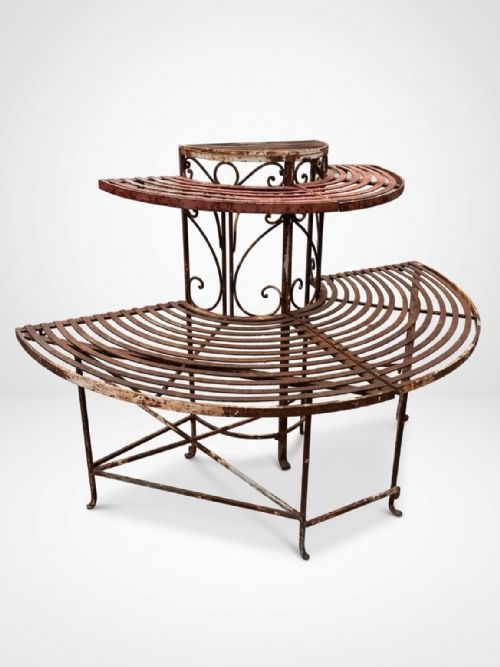
These vintage metal plant display pieces range from ornate Victorian cast iron stands to industrial wirework tiered planters.
Vintage Metal Plant Display
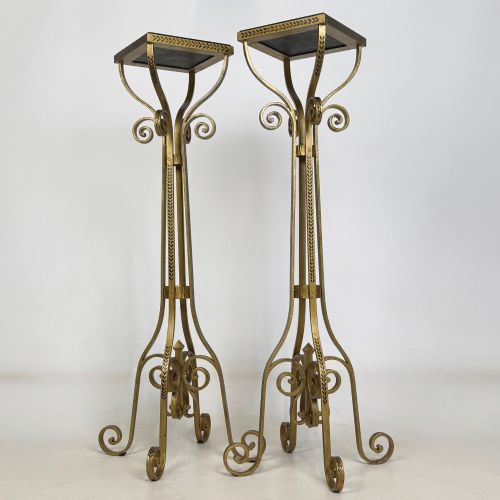
A vintage metal plant display brings structure and height to greenery, utilising sturdy materials designed to hold heavy pots and urns. Buyers searching for a vintage metal plant display encounter numerous configurations, from multi-tiered stands to marble-topped pedestals.
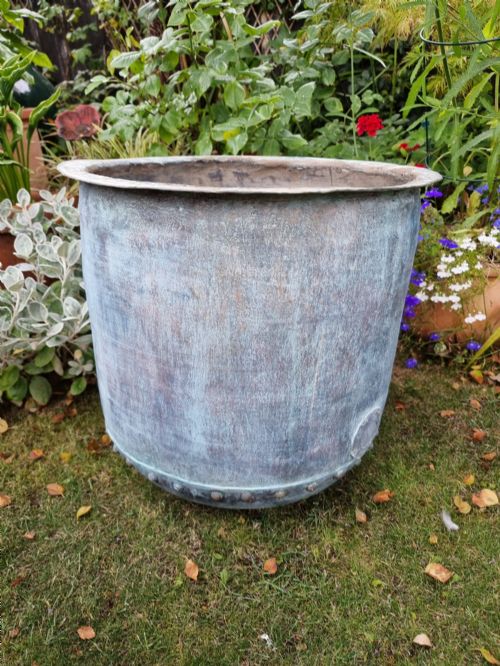
The selections span multiple eras, with Victorian and Edwardian examples appearing frequently alongside early twentieth-century industrial forms. Pieces often take the form of plant stands, jardinere stands, and baker racks, fabricated from iron, brass, and copper.
Origins vary across French, English, and continental styles, offering both painted finishes and patinated patinas. Whether holding a single brass bowl or three tiers of cast iron, these items combine utilitarian function with decorative scrollwork and riveted construction.
How they were made
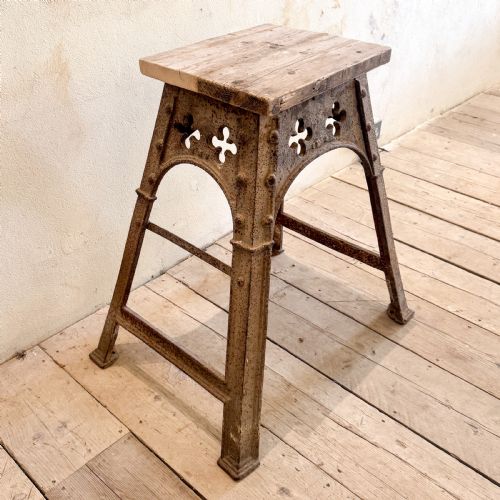
Construction relies heavily on cast and wrought iron, brass, and copper, often paired with secondary elements like marble tops and timber. Smiths and founders utilised techniques such as riveting, scroll-work, and chiseled detailing to shape the structural frames and decorative motifs.
Surfaces frequently show original painted finishes, weathering, or polished brass, reflecting the manufacturing methods of the nineteenth and twentieth centuries. Riveted joints and welded corner sections provide the load-bearing strength required for heavy garden pots and indoor flora.
Vintage Metal Plant Display Retail Price Guide 2026
Typical asking prices for vintage metal plant display among the pieces listed under this phrase on Sellingantiques today, from the lower quarter to the upper quarter. They describe what is for sale here now, not the wider market.
Some corner stands are riveted with such stubborn precision they likely outlived the plants they originally held.
What varies in quality
Quality rests in the weight of the metalwork, the crispness of cast details, and the integration of secondary materials like inset marble or onyx. Pieces featuring hand-chiseled brass or complex scroll-work demand greater skill than standard utilitarian shelving.
The structural integrity of tiered frames and riveted joints dictates how well a stand supports weight over time. Surface preservation, whether retaining an early white painted coat or a deep copper patina, also shapes the character of each piece.
The Vintage Metal Plant Display Glossary
- Cast Iron
- Molten iron poured into a mould to create rigid, ornate forms. It allows for complex Victorian scroll-work and heavy three-tier plant stands.
- Wrought Iron
- Iron heated and hammered into shape by hand or machine. This technique yields resilient frames for stands and racks.
- Jardinere Stand
- A decorative pedestal or table designed specifically to hold a large plant pot or bowl. These often feature brass or cast iron construction.
- Baker Rack
- A tall metal shelving unit originally used in commercial bakeries. Examples in these listings serve as multi-tier plant displays.
- Amsterdam School Style
- An architectural and design movement from the early twentieth century. It influences the geometric brass and marble tables seen around nineteen hundred.
Vintage Metal Plant Display: Frequently Asked Questions
How do I choose the right plant stand height?
Consider the scale of your room and the size of the pots you plan to display. Taller tiered stands work well in corners, while pedestal tables suit singular focal plants.
Matching the metal finish to existing interior hardware helps integrate the piece into your living space.
Can these metal plant stands be used outdoors?
Many iron and cast metal pieces were originally made for gardens and conservatories. Wrought and cast iron tolerate outdoor conditions well, though painted surfaces may weather further over time.
Brass and copper items with marble tops are better suited for indoor use to protect sensitive stone and polished metal.
How do I clean and maintain vintage brass?
Dust regularly with a soft, dry cloth to prevent grime accumulation. Avoid harsh chemical cleaners that strip the aged patina.
If polishing is desired, use a mild brass cleaner specifically formulated for antiques, applying it sparingly with a soft cloth.
What is the difference between cast iron and wrought iron?
Cast iron is poured into moulds, resulting in heavier, more rigid structures with intricate relief patterns. It provides great stability for multi-tiered plant displays.
Wrought iron is beaten and bent into shape, typically showing smoother lines and resilient structural frames.
How do I style a multi-tier plant stand?
Distribute plant sizes across the tiers to balance weight and visual interest. Place trailing plants on upper levels and larger pots on the sturdy base.
Mixing foliage textures against the metal framework highlights the craftsmanship of the scroll-work and riveted joints.