


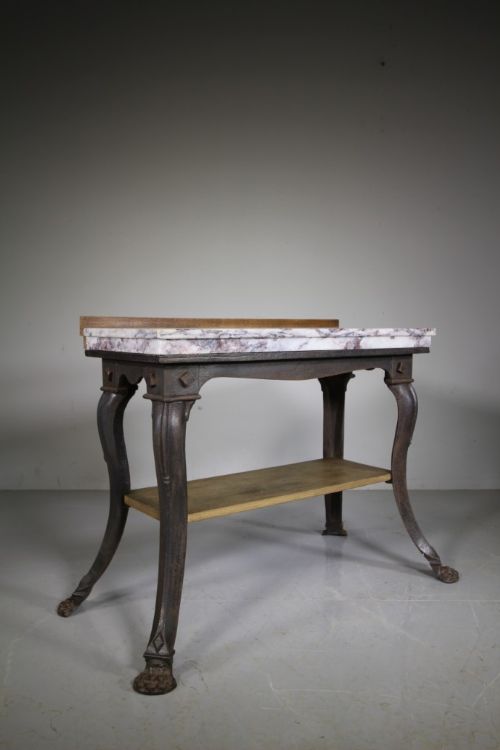


White Garden Plant Stand
A white garden plant stand carries greenery with structural clarity, spanning iron scrollwork and wirework tiers from the nineteenth and early twentieth centuries.
White Garden Plant Stand
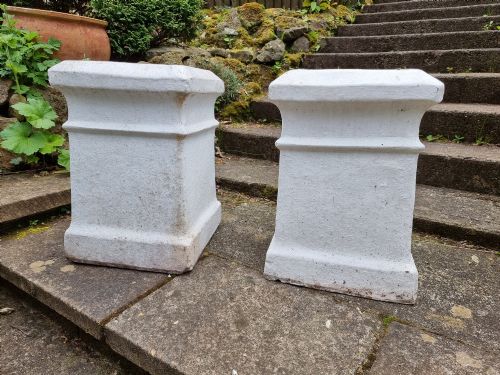
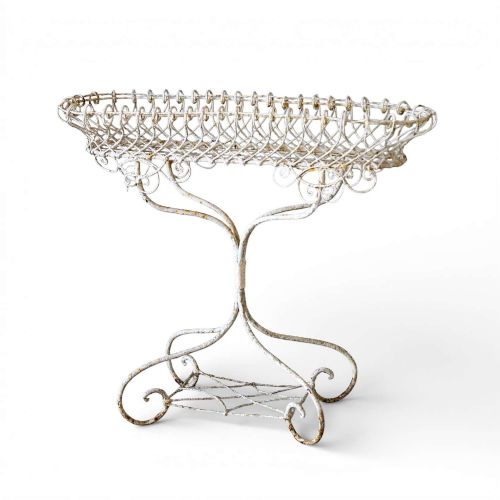
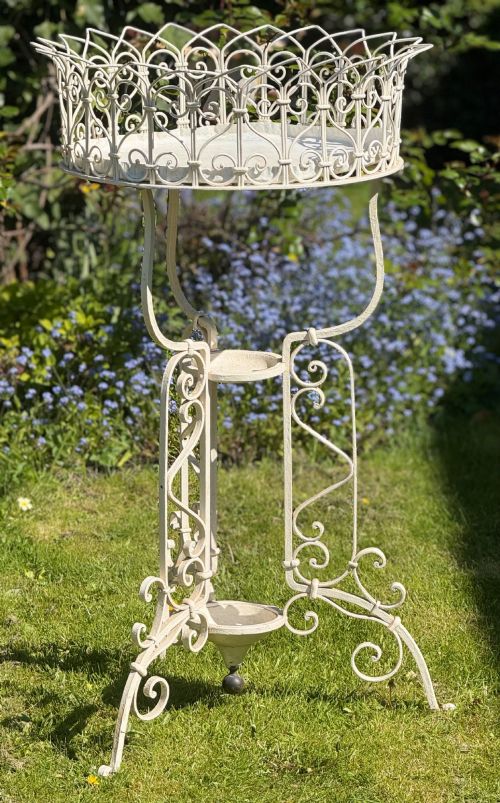
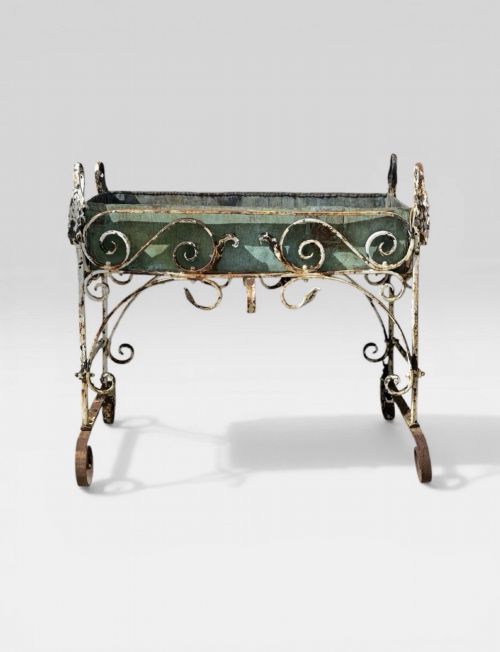
A white garden plant stand encompasses varied elevated supports designed to hold pots, jardinieres, and urns in domestic and conservatory spaces. When searching for a white garden plant stand, buyers encounter pieces ranging from Victorian wirework tiers to cast iron columns and wrought iron scrollwork tables.
The selections span distinct historical periods, including Georgian examples, Victorian creations, and Edwardian conservatory pieces. Forms vary from single pedestals to multi-tiered wirework stands, alongside side tables and garden seats adapted for display.
Origin and style descriptions stretch from English country houses to French country aesthetics and Qing Dynasty items. The common thread remains the elevated display of flora, often finished in historical white paint over metal or terracotta.
Materials and construction methods
These stands rely heavily on durable metals like wrought iron, cast iron, and wirework, frequently paired with paint finishes or marble tops. Blacksmiths and founders shaped these materials into intricate scrollwork, lattice baskets, and rigid columns capable of supporting heavy soil and ceramic pots.
Secondary materials such as terracotta, zinc, and wood appear across specific planters and pedestals, grounding the structures in traditional garden utility. Paint layers, applied over centuries, define the characteristic white appearance seen on Victorian pot stands and wirework jardinieres.
White Garden Plant Stand Retail Price Guide 2026
Typical asking prices for white garden plant stand among the pieces listed under this phrase on Sellingantiques today, from the lower quarter to the upper quarter. They describe what is for sale here now, not the wider market.
A sturdy wirework frame once meant tea parties shared space with ferns determined to take over the conservatory.
Distinguishing quality in period stands
Quality rests in the intricacy of the metalwork, from hand-forged scrollwork to finely cast iron columns and delicate wirework tiers. Finer pieces demonstrate careful proportion, stable weight distribution, and integrated decorative elements like lattice basket tops.
The integrity of original construction and the character of weathered paint surfaces separate superior examples from simpler utilitarian items. Masterful assembly of wirework or iron determines whether a stand remains robust and visually balanced.
Dunfermline Clay Company
The White Garden Plant Stand Glossary
- Wrought iron
- Iron beaten into shape by hand, allowing for flexible scrollwork and strong, slender structural elements. It defines many nineteenth century plant stands.
- Wirework
- Metal strands bent and welded into airy, tiered frameworks for conservatories. This technique creates lightweight yet supportive plant displays.
- Cast iron
- Molten metal poured into a mould to produce rigid columns, urns, and heavy plant stands. It offers crisp ornamental detail and substantial weight.
- Jardiniere
- An ornamental pot or stand designed specifically to hold flowering plants. They appear in ceramic, iron, and wirework forms.
- Pedestal
- An architectural support that elevates a planter, urn, or sculpture above ground level. They highlight individual botanical specimens.
White Garden Plant Stand: Frequently Asked Questions
What periods do these plant stands cover?
The pieces span from the Georgian era through the Victorian and Edwardian periods into the early twentieth century.
Most examples reflect nineteenth century manufacturing, utilising cast iron, wrought iron, and wirework.
How were wirework stands used?
Wirework stands served primarily in conservatories and country houses to display multiple potted plants across graduated tiers.
Their open construction allowed light to reach surrounding foliage while providing a stable, airy platform.
Are these stands suitable for outdoor use?
Many items were built for gardens, patios, and outdoor display, utilising robust metals like cast and wrought iron.
Weathered paint and metal surfaces show long exposure to the elements, though some delicate wirework suits covered spaces.
What materials predominate in these listings?
Wrought iron and cast iron form the structural core of most pieces, often enhanced by painted finishes.
Alternative materials include wirework, terracotta, zinc, wood, and marble found on specific tables and pedestals.