


Vintage Metal Mirror
A vintage metal mirror brings reflective depth and architectural weight to a room, spanning periods from Victorian cast brass to sleek Art Deco chrome.
Vintage Metal Mirror
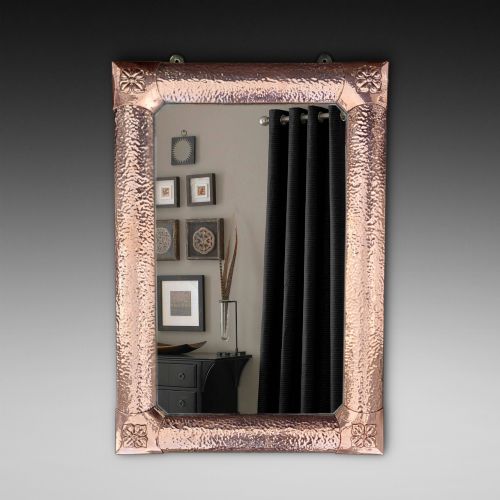
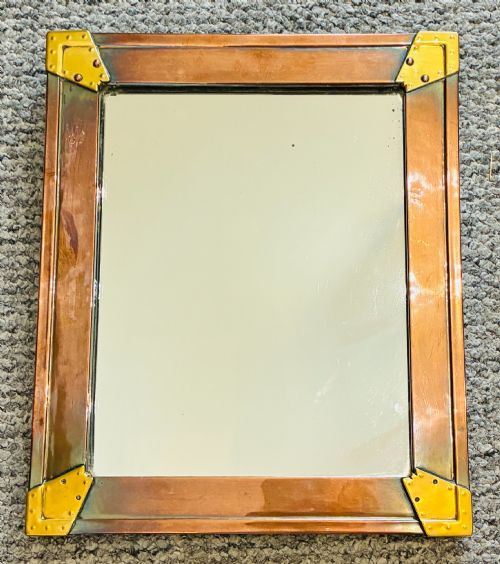
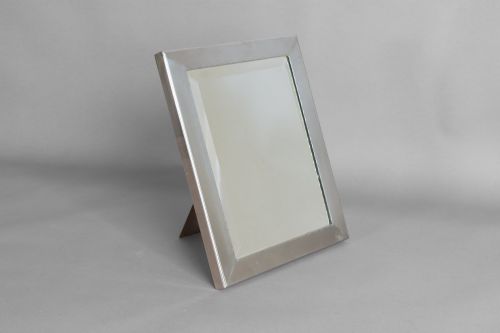
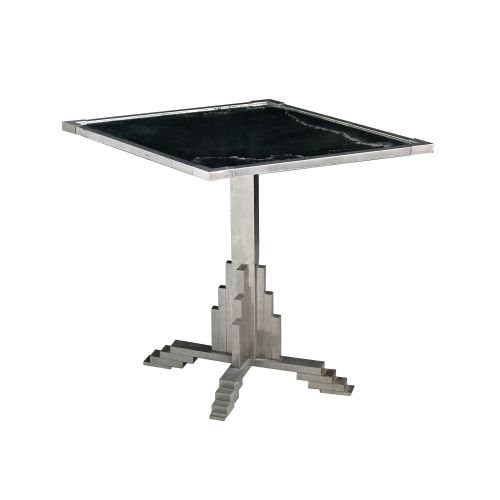
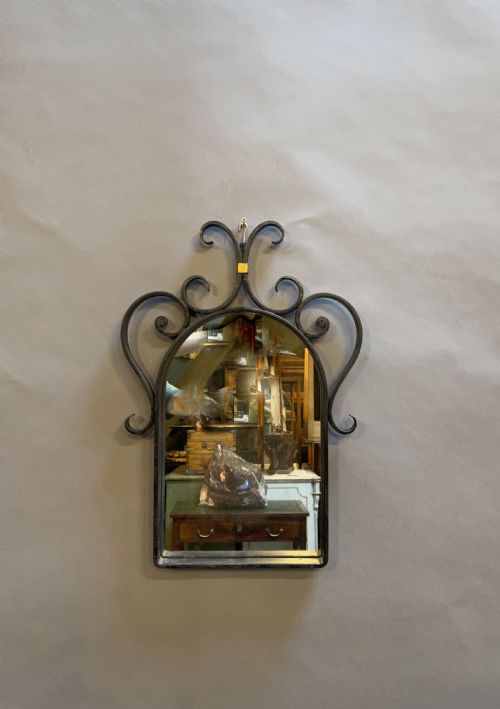
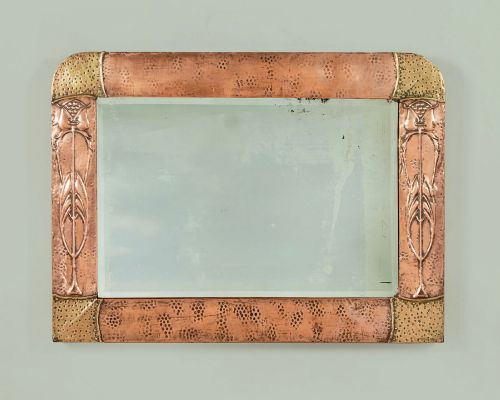
When you search for a vintage metal mirror, you encounter a diverse array of decorative objects spanning the nineteenth century through the mid-twentieth century. The selection ranges from robust Victorian cast brass wall mirrors to geometric Art Deco chrome designs and hammered Arts and Crafts copper pieces.
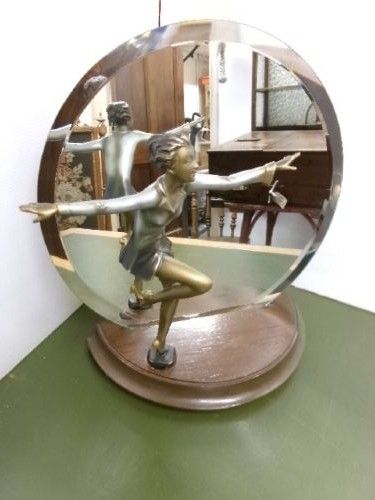
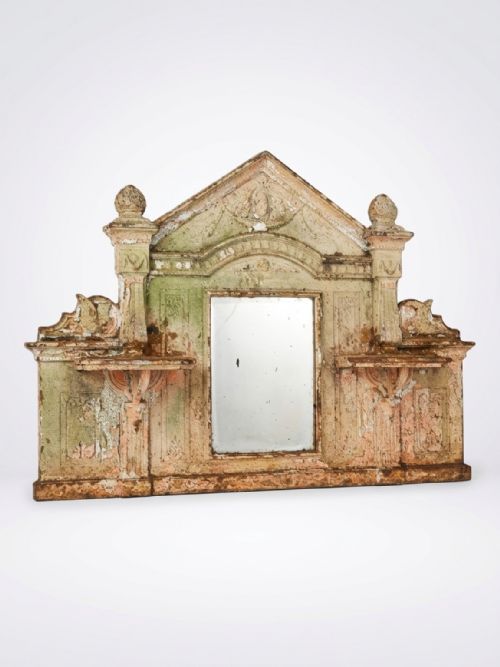
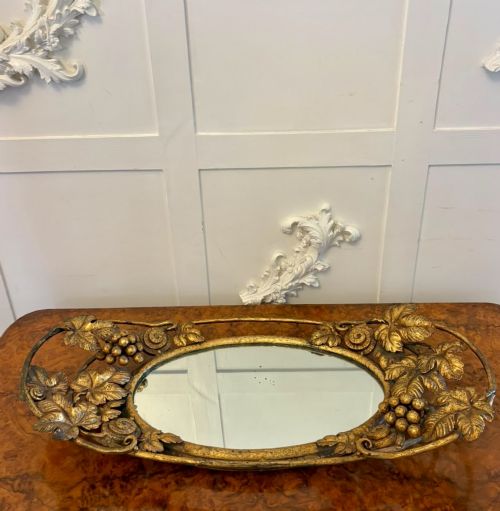
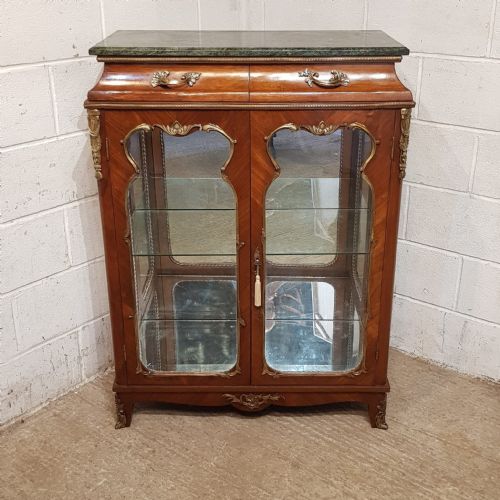
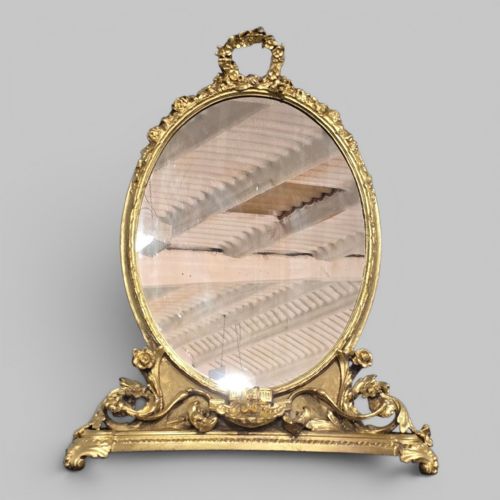
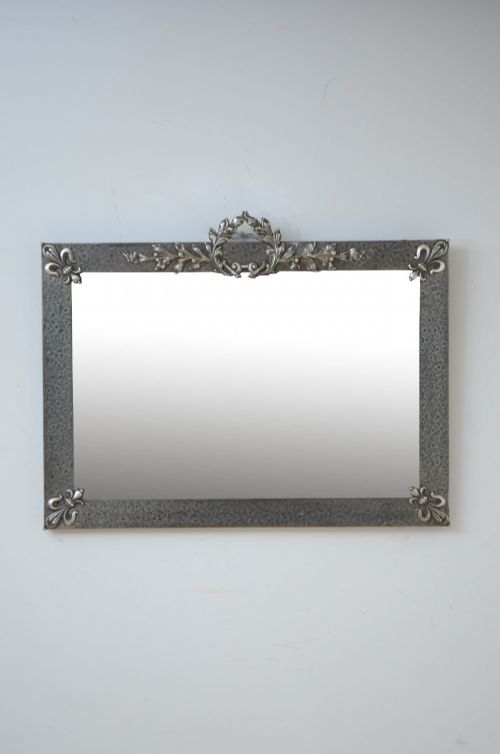
The most common examples on this page are wall mirrors and dressing table mirrors framed in brass, copper, or gilt metal. These pieces reflect the prevailing aesthetic movements of their respective decades, incorporating floral motifs, repoussé work, or clean industrial lines.
Materials and Craftsmanship
Frames combine structural metals such as brass, copper, cast iron, and chrome with mirrored glass. Makers utilised techniques like casting, hammering, and repoussé to build relief patterns and surface textures into the metal borders.
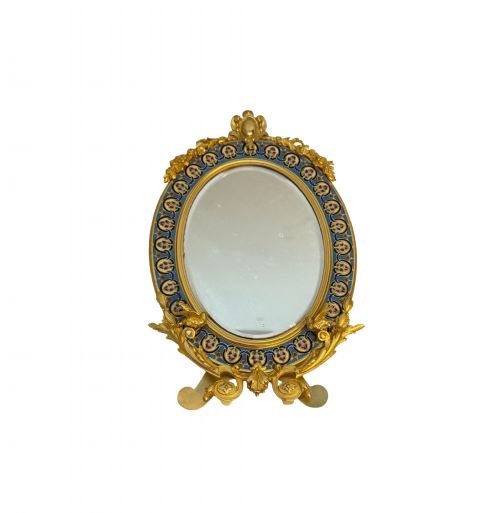
Decorative touches often included applied gilt finishes, champleve enamel work, or inset cabochons. These methods ensured durable mounts that securely held the heavy glass plates while displaying rich surface patinas.
Some dressing table mirrors doubled as sneaky compartments, hiding sovereign card compacts and vanity cases for the discreetly glamorous.
Assessing Quality and Execution
Quality rests in the crispness of the metal casting and the depth of hand-worked surface details like repoussé and hammering. Finer pieces display refined chasing around masks, crests, and botanical motifs rather than soft or blurred edges.
The integrity of the plate glass and the heft of the underlying metal frame dictate the overall substance of the object. Substantial mounting hardware and secure backing indicate superior period manufacture.
Liberty & Company·Cartier·Coalbrookdale·Ruskin
The Vintage Metal Mirror Glossary
- Repoussé
- Metalworking technique where a design is hammered into relief from the reverse side. This process creates tactile surface decoration on copper and brass frames.
- Champlevé
- Enamelling method where troughs are sunk in the metal surface and filled with vitreous enamel before firing. It frequently appears on decorative French table mirrors.
- Girandole
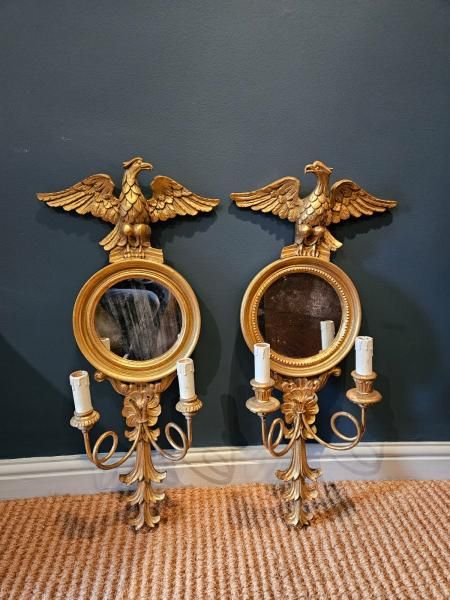
- A branched wall mirror or sconce designed to hold candles alongside the reflective glass. The arms multiply the candlelight within the room.
- Cabochon
- A polished, convex gem or ceramic stone set without facets into a metal mount. These appear as colourful accents on Arts and Crafts copper frames.
- Spelter
- An alloy of zinc and lead used as a cheaper alternative to bronze for cast figures and frames. It is often painted or electroplated to resemble more costly metals.
Vintage Metal Mirror: Frequently Asked Questions
How do I date a brass mirror?
Dating relies on stylistic markers and manufacturing techniques visible on the frame and backing. Victorian examples often feature heavy cast brass with elaborate floral or mask crests.
Later Edwardian and Art Deco pieces shift towards smoother lines, geometric shapes, or chromed finishes. Examining the assembly screws and the composition of the mirror glass provides further clues to the decade of origin.
Where should I hang a heavy cast mirror?
Heavy cast iron or brass mirrors require secure installation directly into wall studs or appropriate masonry anchors. Their substantial weight demands hardware rated to support the load safely.
Positioning them at eye level in hallways, living rooms, or above mantelpieces maximises their light-reflecting properties and balances the visual weight of the metal frame.
How do I clean an antique copper frame?
Cleaning requires a soft, dry cloth to remove dust without disturbing the aged patina of the metal. Avoid harsh commercial dips or abrasive polishes that strip away historical character.
If the copper has an applied lacquer or protective finish, chemical cleaners will damage the surface and should be strictly avoided.