
Vintage Metal Garden Bench
These vintage metal garden bench selections offer robust outdoor seating shaped by Victorian, Regency and later hands.
Vintage Metal Garden Bench
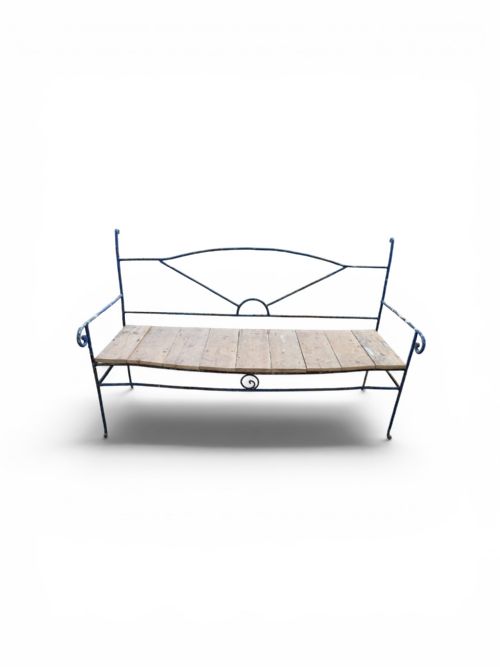
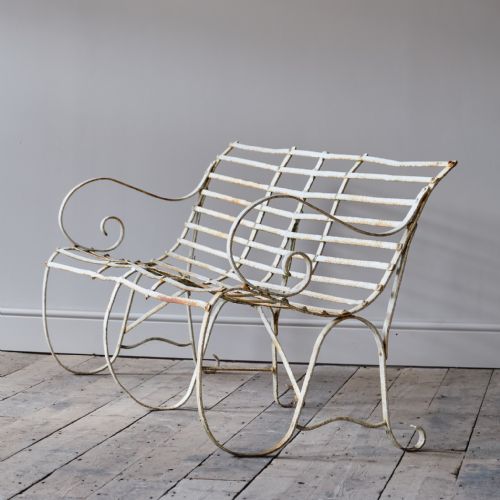
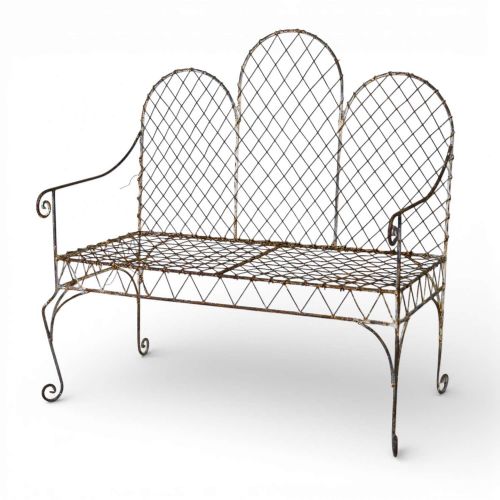
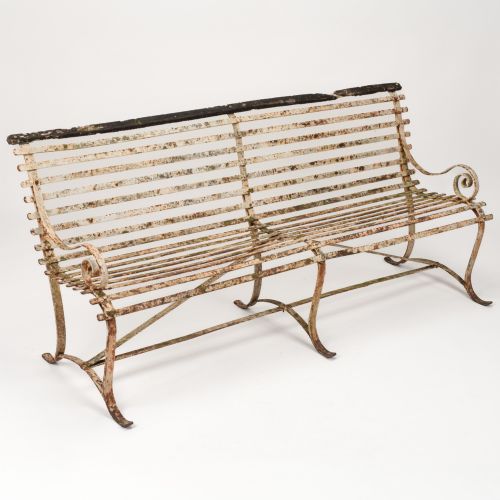
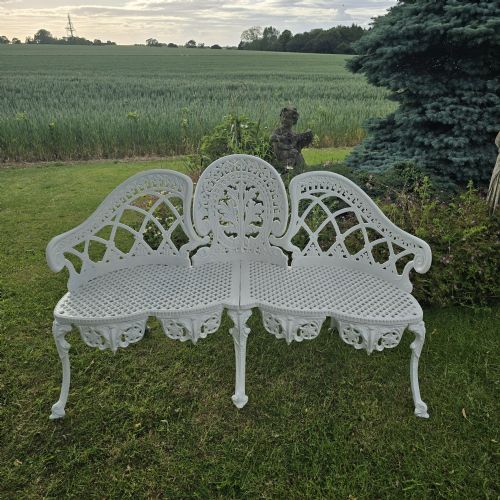
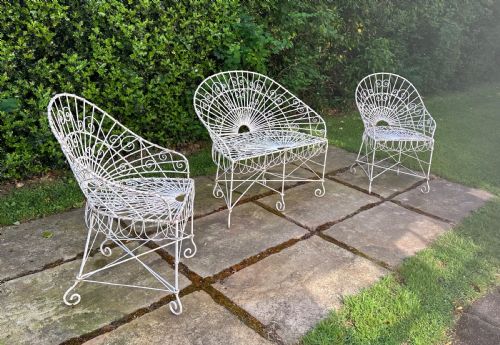
A vintage metal garden bench brings enduring outdoor seating to lawns, patios and conservatories. The examples seen here range from substantial Victorian cast iron designs to lighter Regency strapwork forms and early twentieth century wirework arbours.
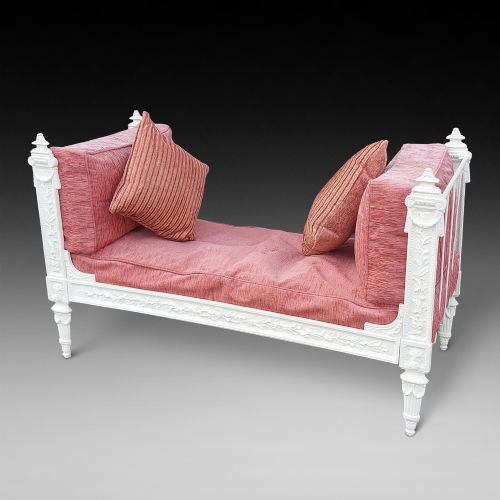
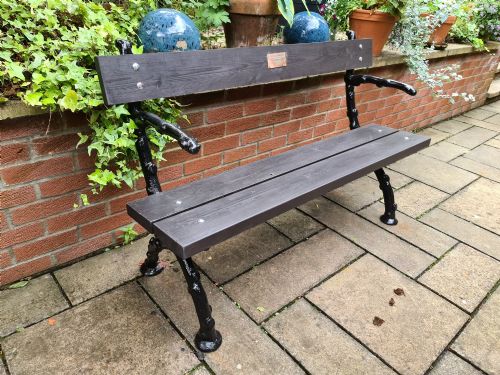
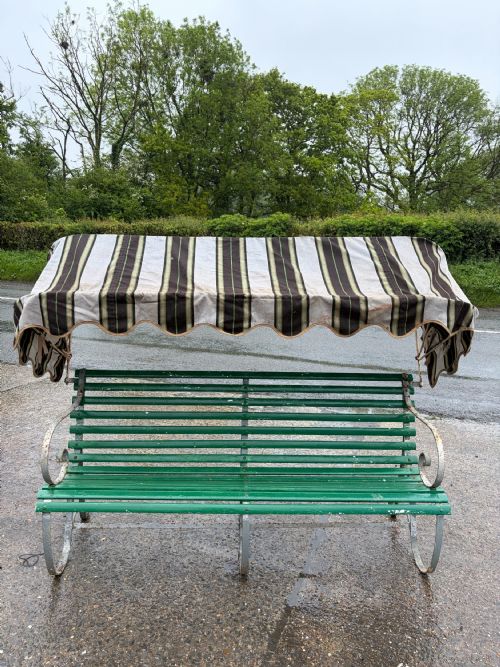
Buyers will encounter various formats spanning standard two-seater benches, daybeds, folding metalwork tables, and armchairs. Many pieces combine metal frames with timber slats or fabric elements, creating practical seating for outdoor use.
Origins stretch across English and French workshops, encompassing styles from French Gothic Revival to rustic Victorian iterations. The selection prioritises metal construction designed to weather outdoor environments while retaining decorative presence.
How they were made
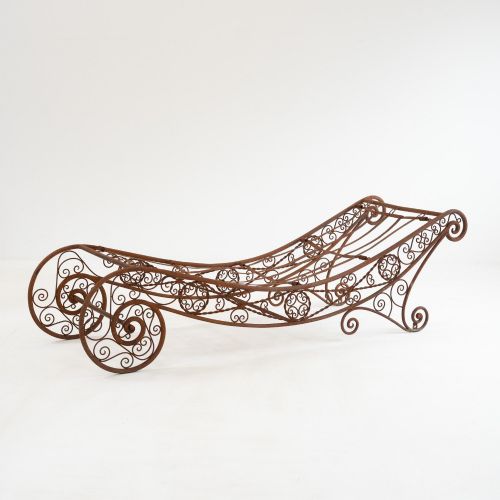
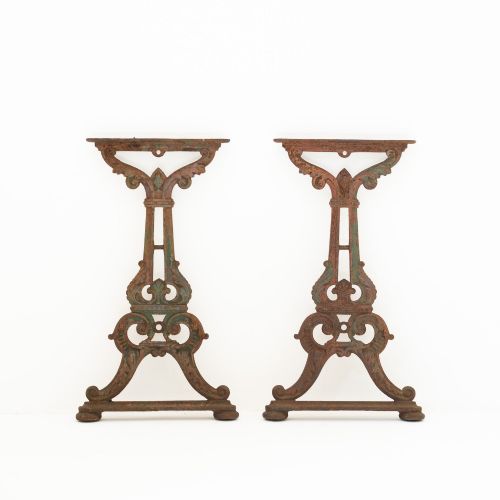
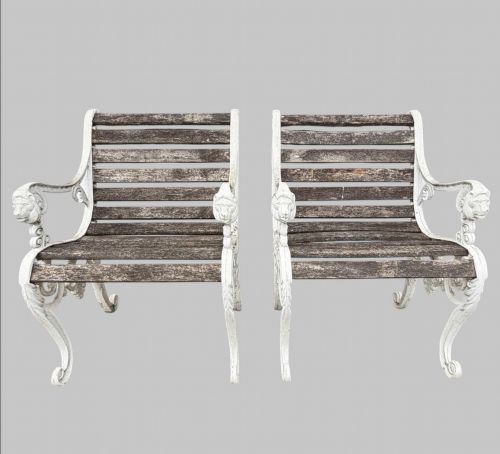
Construction relies heavily on cast iron and wrought iron, utilised for structural frames, decorative scrollwork and intricate strapwork. Foundries poured molten iron into moulds for detailed Victorian panels, whilst blacksmiths shaped wrought iron by hand for linear Regency patterns.
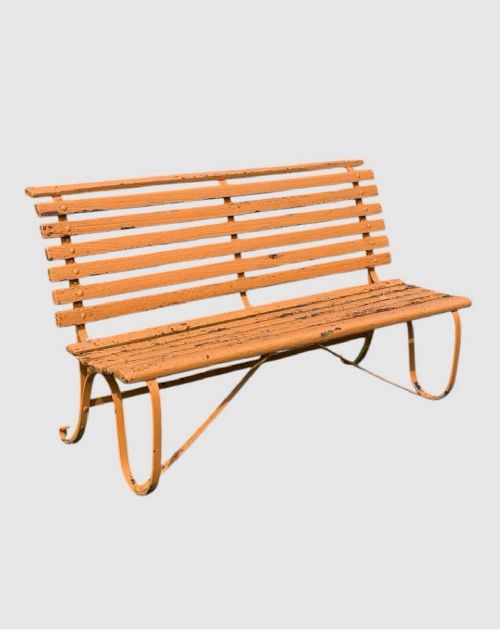
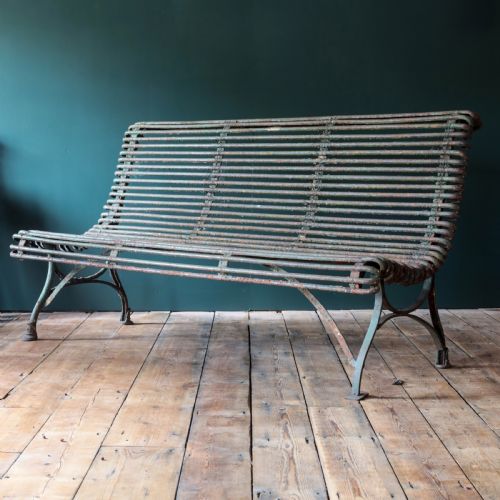
Many items incorporate timber slats, wood or copper tops fixed to metal bases, blending rigid metal skeletons with softer seating surfaces. Layers of historical paint and verdigris finishes frequently coat the metalwork, protecting the material whilst recording decades of exposure.
The listings span periods from Regency and Victorian eras through to the nineteen thirties, utilising cast iron, wrought iron, timber and paint.
What varies in quality
Quality rests in the crispness of the casting and the refinement of the ironwork. Finer pieces display sharply defined lion masks, faux bois detailing or precise strapwork, whereas simpler items rely on plain bar stock and basic joints.
The integrity of the original materials dictates the character of each bench. Retaining layers of original paint or untouched verdigris surfaces elevates an example, while structural completeness across both metal frames and supporting timber adds substance.
Coalbrookdale
The Vintage Metal Garden Bench Glossary
- Strapwork
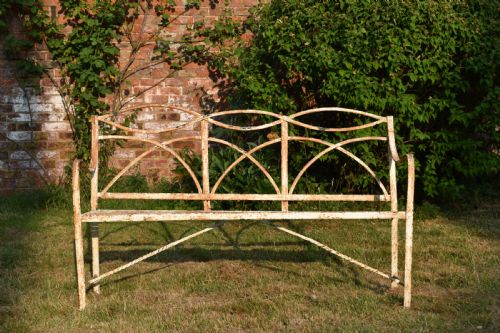
- Flat strips of metal riveted or welded in geometric or intersecting patterns. This technique defines many Regency style garden seats.
- Cast Iron
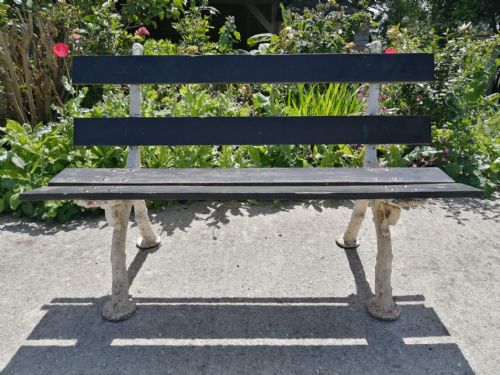
- Iron poured into a mould to create decorative and structural forms. It enables intricate relief patterns like faux bois or lion masks.
- Wrought Iron
- Iron heated and hammered into shape by hand. It provides the slender, resilient framework seen on earlier outdoor seats.
- Faux Bois
- A decorative technique mimicking the texture and appearance of wood. Victorian foundries utilised this style to blend metal furniture with garden surroundings.
- Verdigris
- A green patina formed naturally on copper and brass surfaces through atmospheric weathering. It appears on antique garden tables and metalwork.
Vintage Metal Garden Bench: Frequently Asked Questions
How do I care for my bench?
Keep the metal clean and dry during harsh winter months where possible. Applying protective coatings helps preserve remaining original paint layers.
Positioning the seat on paved surfaces rather than directly on damp soil prevents excessive moisture absorption in any incorporated timber components.
Can these benches stay outside?
These outdoor seats are built from robust materials intended for garden use. Iron and steel withstand normal weather patterns over decades.
Regular checks on painted surfaces prevent rust formation, ensuring the metal frame remains stable through seasonal temperature shifts.
How do I date a metal bench?
Examine the manufacturing technique and decorative style to determine the period. Cast iron relief patterns often align with Victorian foundry catalogues.
Lighter strapwork designs frequently point towards earlier Regency influences, while wirework constructions typically date from around nineteen hundred.
Are these benches comfortable to use?
Many designs feature contoured iron backs and supportive armrests shaped for outdoor sitting. Some examples incorporate timber slats or added cushions for comfort.
Daybeds and padded garden seats offer extended lounging options, combining metal frames with supportive fabric elements.