

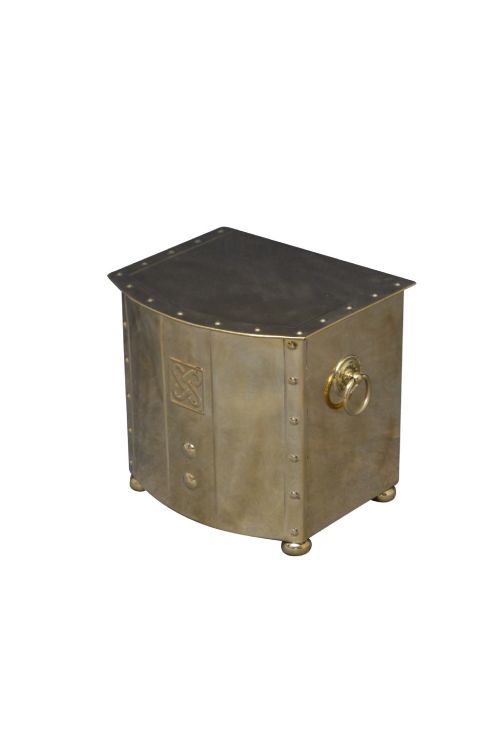


Vintage Metal Fireside Scuttle
A vintage metal fireside scuttle brings practical hearth storage into daily use, combining solid utilitarian metals with period design.
Vintage Metal Fireside Scuttle
A vintage metal fireside scuttle serves the hearth as a durable container for coal and logs. These pieces range from open buckets and helmet-shaped scuttles to lidded coal boxes intended to sit beside the fireplace.
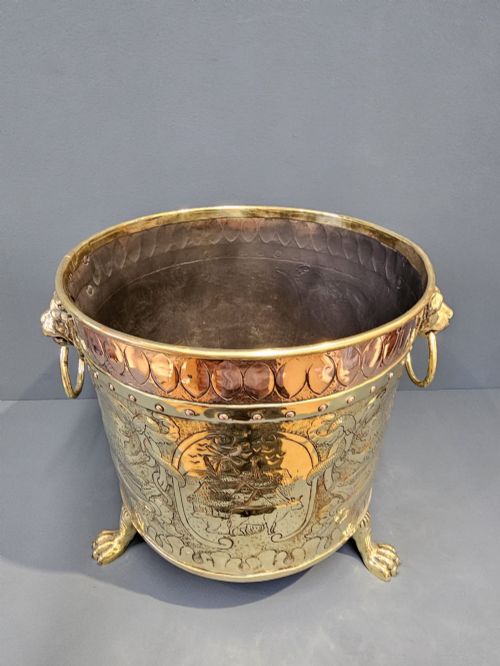
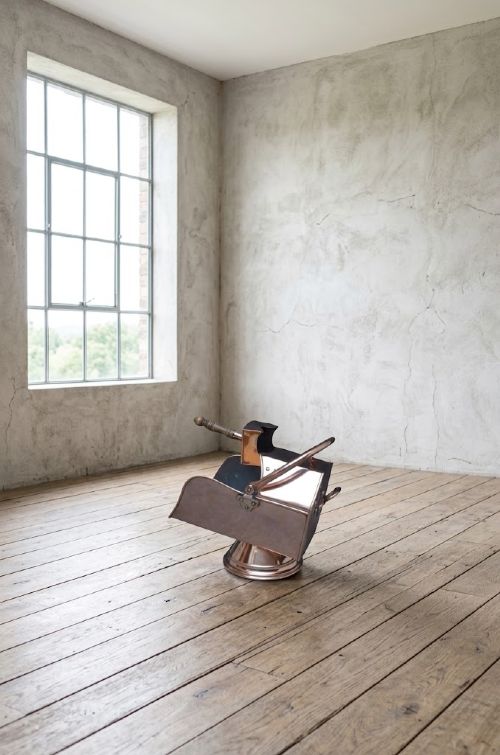
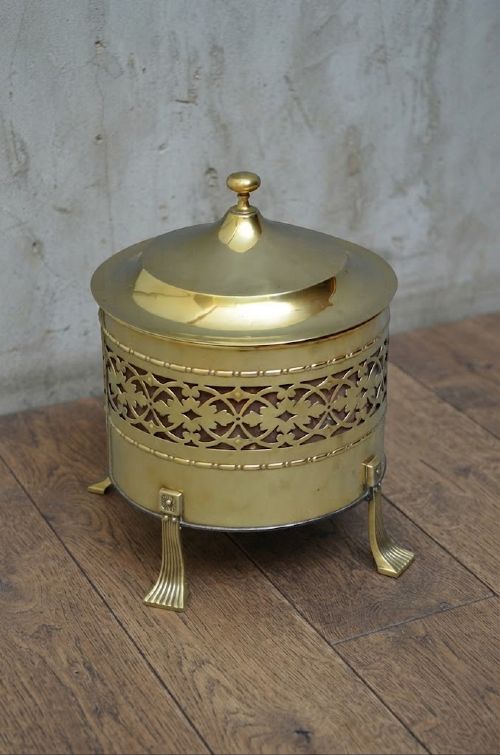
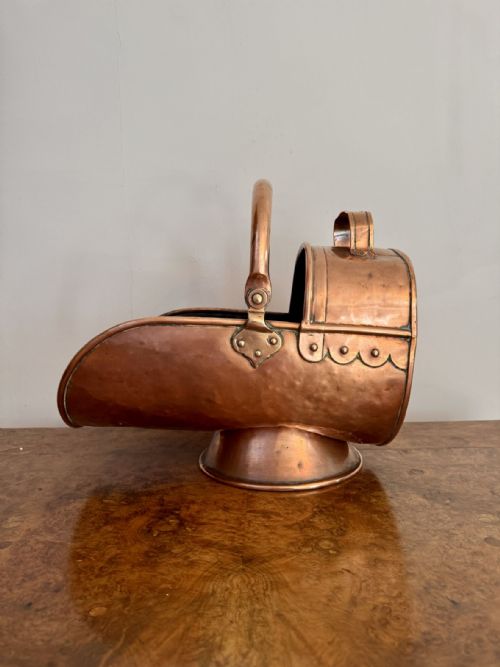
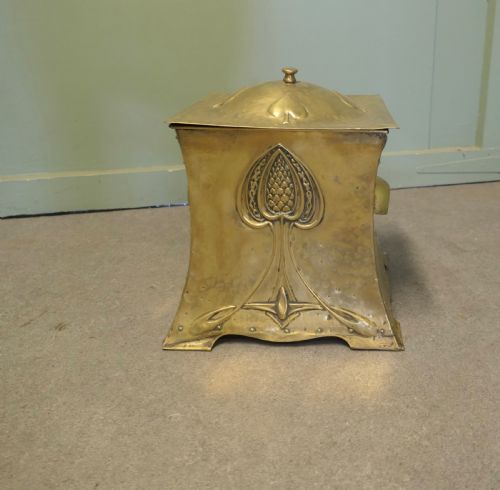
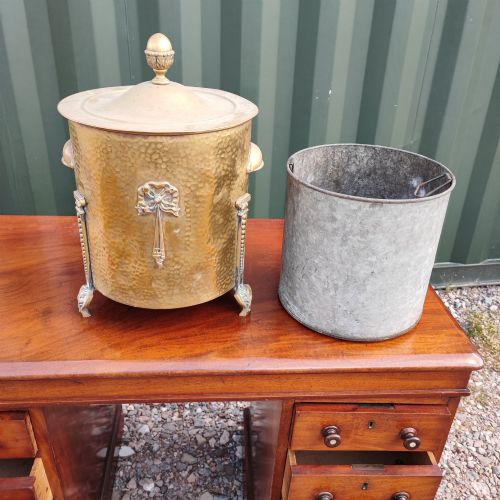
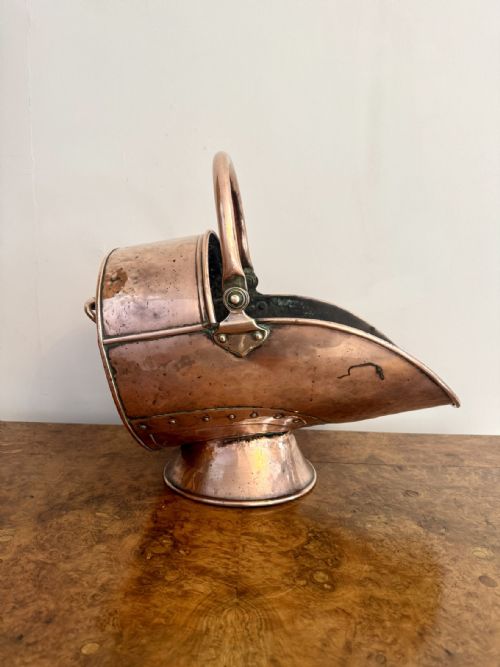
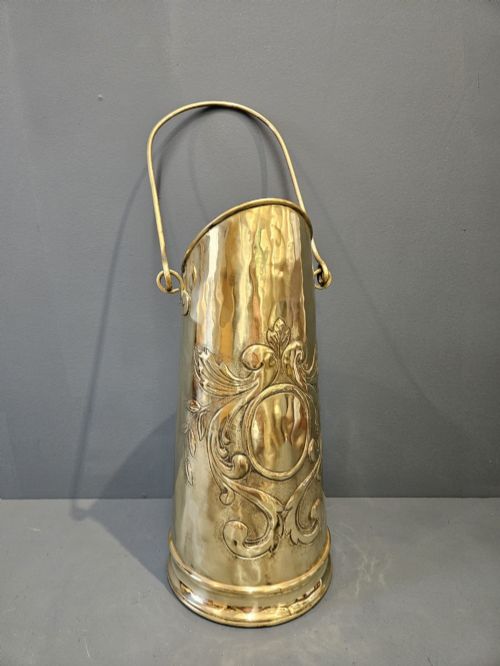
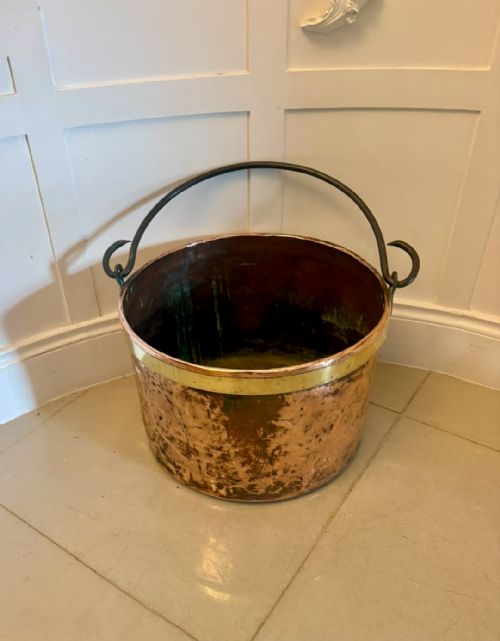
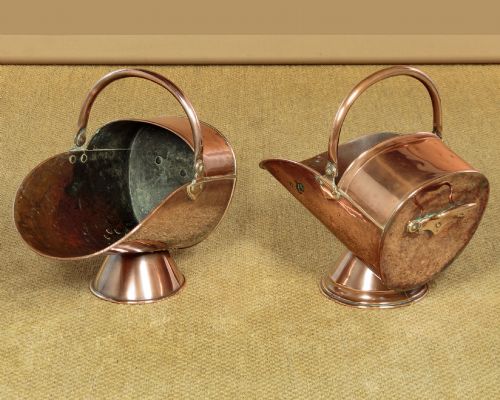
The pieces appearing on this page span the Victorian, Edwardian, and Art Deco periods, alongside earlier George III examples. Brass and copper dominate the forms, often shaped into traditional helmet designs or cylindrical bins.
Makers and artisans from the nineteenth and early twentieth centuries produced these items to handle daily fuel transport. Many incorporate swing handles and matching shovels for tending the fire.
Materials and Technique
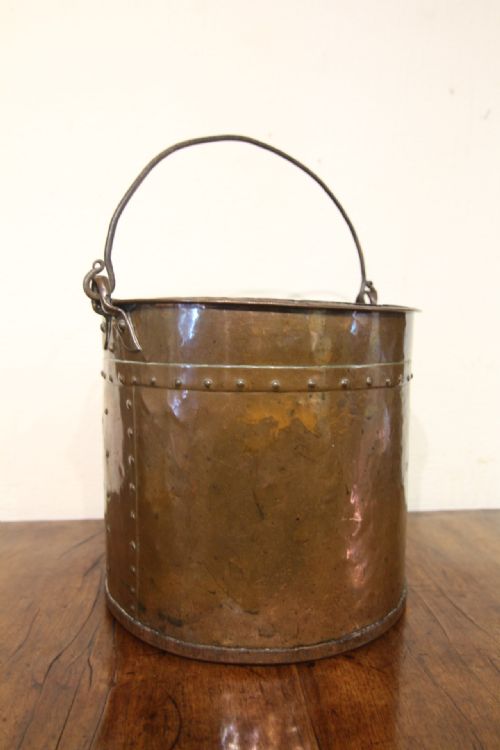
Makers relied primarily on sheet brass and copper, joining plates with exposed rivets or secure seams. Wrought iron provided structural strength for handles, frames, and swing bails.
Workshops utilised hand-beating, embossing, and hammer-beaten finishes to decorate the metal surfaces. Fretwork cutouts and applied copper bands further distinguished these utilitarian vessels.
A sturdy swing handle ensures the coal makes it safely to the fire instead of the hearth rug.
Craftsmanship and Proportion
Heavier gauge metal and substantial riveting separate superior examples from lighter production pieces. Thick brass and copper resist denting and maintain structural integrity during daily hearth use.
Refined handles, crisp embossing, and intact original shovels indicate higher workshop standards. The balance of the vessel when suspended by its swing handle demonstrates careful design.
Henry Loveridge
The Vintage Metal Fireside Scuttle Glossary
- Helmet scuttle
- A traditional coal container featuring a high back and a flared, sloping front lip designed for pouring fuel. This shape gained popularity during the Victorian era.
- Coal box
- A lidded container designed to conceal fuel beside the hearth, often incorporating an internal metal liner. These boxes frequently feature decorative brass or copper panels.
- Log bin
- A deep cylindrical vessel used for storing firewood rather than smaller coal pieces. They often stand within iron frames or feature heavy brass and copper banding.
- Tole ware
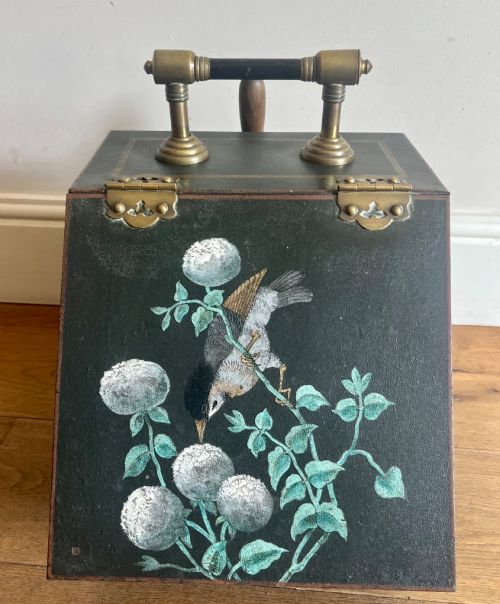
- Lacquered or enamelled sheet metal items produced to imitate oriental lacquer techniques. These pieces introduce painted or decorated surfaces to the fireside.
- Coopered
- Wood construction formed of narrow staves bound by metal hoops, similar to barrel-making. Some fireside buckets apply this technique using oak timber.
Vintage Metal Fireside Scuttle: Frequently Asked Questions
What is a vintage metal fireside scuttle used for?
These vessels store and transport coal or logs for an open fireplace. They sit beside the hearth for convenient refueling during cold months.
Beyond utility, they serve as decorative metalwork that complements period fireplace accessories.
How do I clean a brass or copper scuttle?
Maintenance depends on the desired finish, as many owners prefer to retain the aged patina accumulated over decades. Gentle washing with warm soapy water removes accumulated dust and soot without harming the metal.
Harsh abrasive cleaners strip the historic surface layer and should be avoided on antique metalwork.
How can I tell a Victorian scuttle from a later piece?
Victorian examples frequently display heavy hand-riveting, deep embossing, and rich brass or copper tones. Design motifs lean toward floral patterns and tavern scenes typical of the nineteenth century.
Later Edwardian and Art Deco pieces introduce sleeker lines, lighter gauges of metal, and geometric fretwork designs.
Are original shovels common with these scuttles?
Original matching shovels do accompany certain pieces, often sliding into a side sleeve or resting inside the bucket. Surviving shovels add completeness to the fireside set.
Many scuttles lost their original shovels over decades of active use by the hearth.