

Vintage Metal Dog
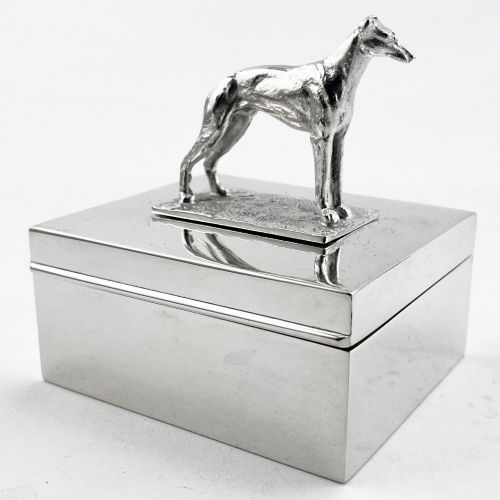
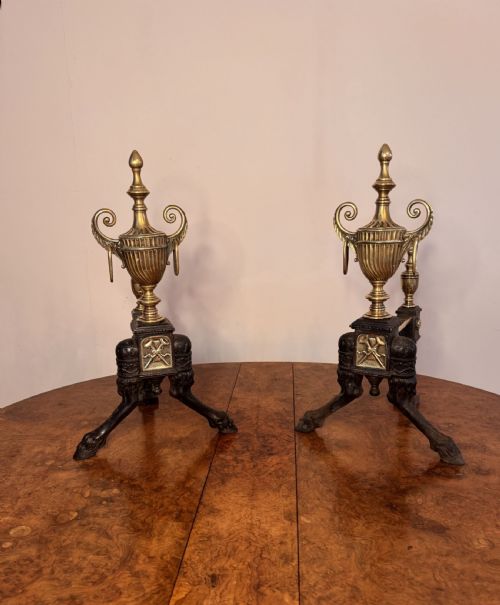
These vintage metal dog pieces span heavy iron hearth furnishings and cold painted bronze table figures designed with character and utility.
Vintage Metal Dog
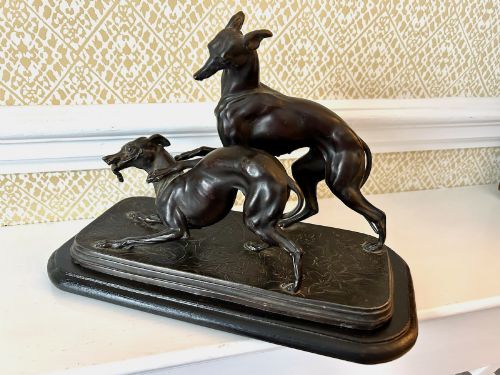
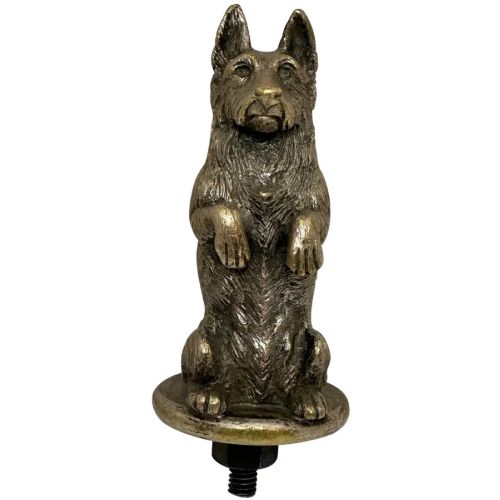
A vintage metal dog search brings up a diverse collection of sculptural and functional items created from the nineteenth century through the art deco era. You encounter domestic items like doorstops, bookends, desk tidies, and car mascots alongside substantial pairs of heavy fireplace furnishings.
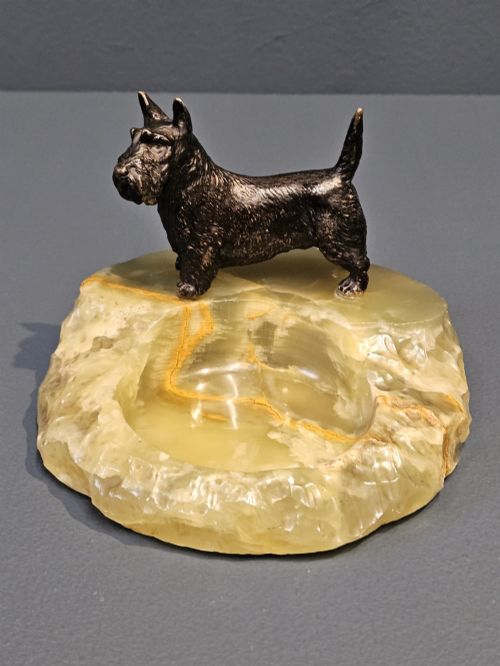
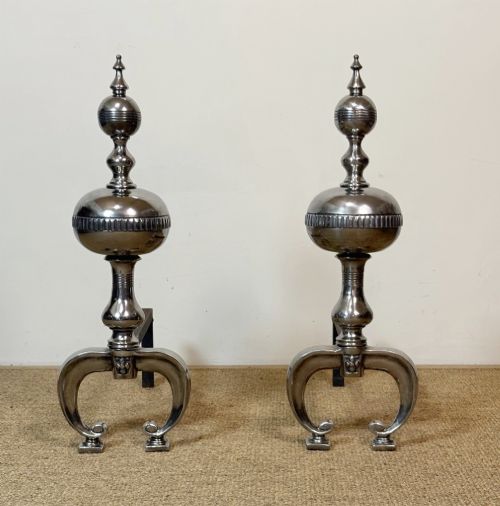
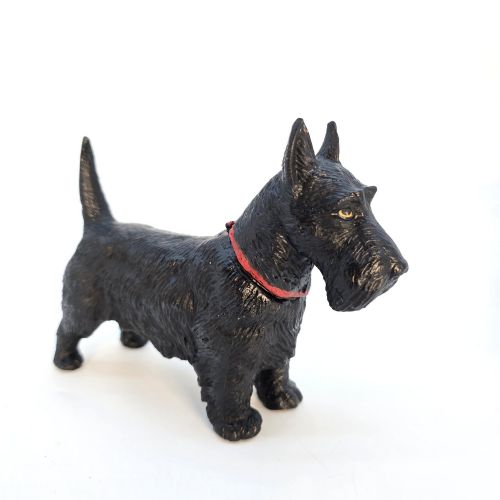
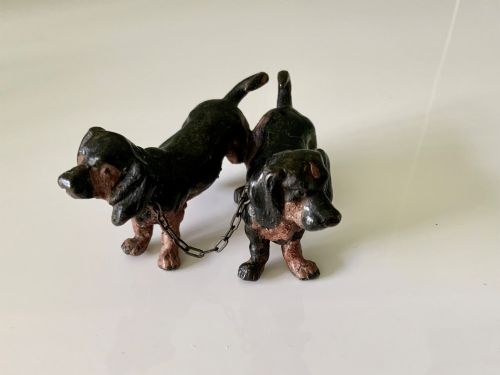
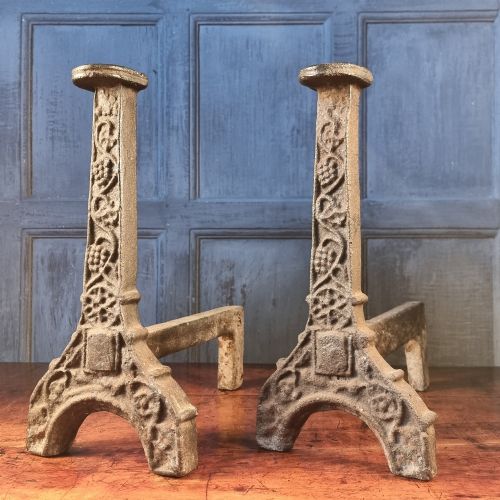
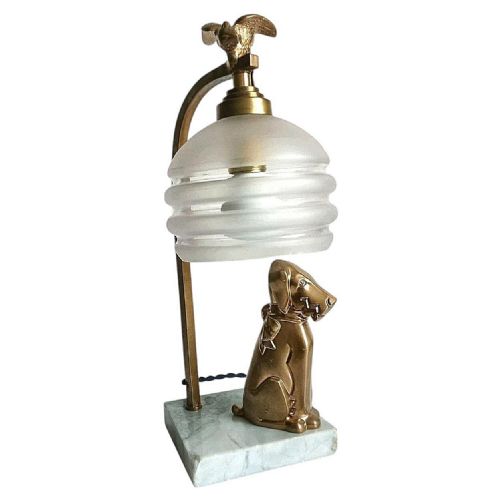
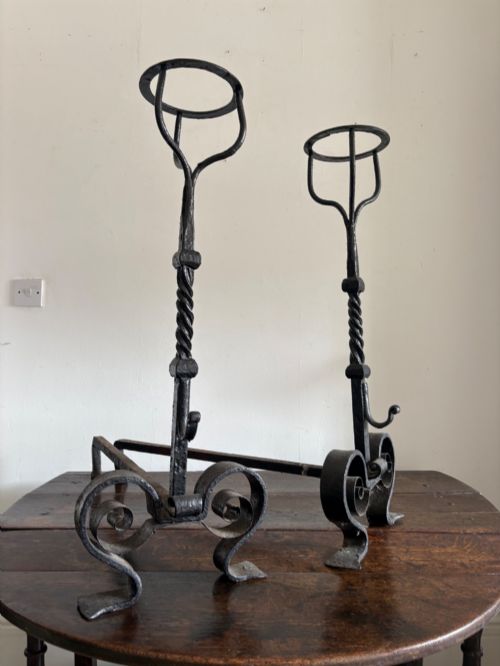
The most common domestic examples on this page are cast iron doorstops of spaniels and retrievers, alongside small bronze and spelter desk sculptures or cold painted figures of scotties and dachshunds. Hearth equipment forms the other major group, featuring wrought iron and brass andirons and fire dogs originating from Victorian and Edwardian workshops.
How They Were Made
Foundry workers utilised traditional casting methods for the heavier sculptures and fire furniture, pouring molten bronze, brass, cast iron, or spelter into moulds before finishing the surfaces by hand. Wrought iron and steel pieces relied on blacksmithing techniques like forging and hand-hammering to shape functional hearth bars and legs.
Vintage Metal Dog Retail Price Guide 2026
Typical asking prices for vintage metal dog among the pieces listed under this phrase on Sellingantiques today, from the lower quarter to the upper quarter. They describe what is for sale here now, not the wider market.
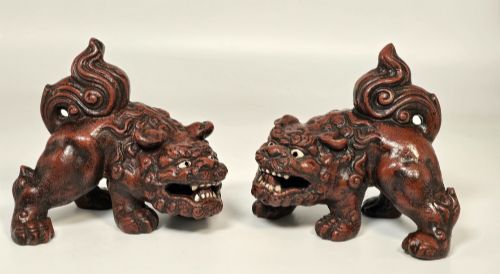
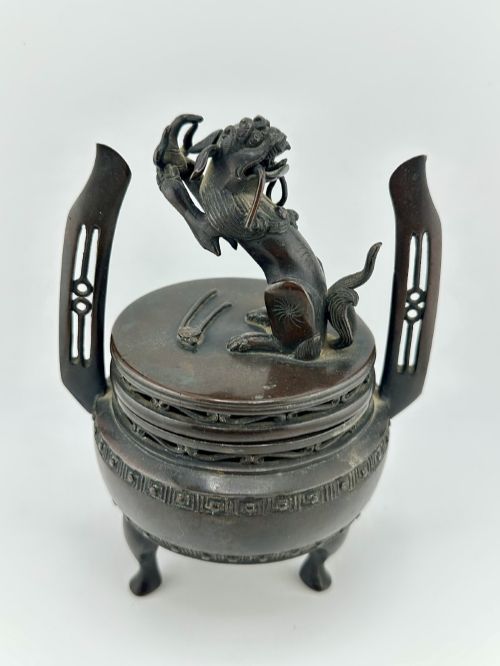
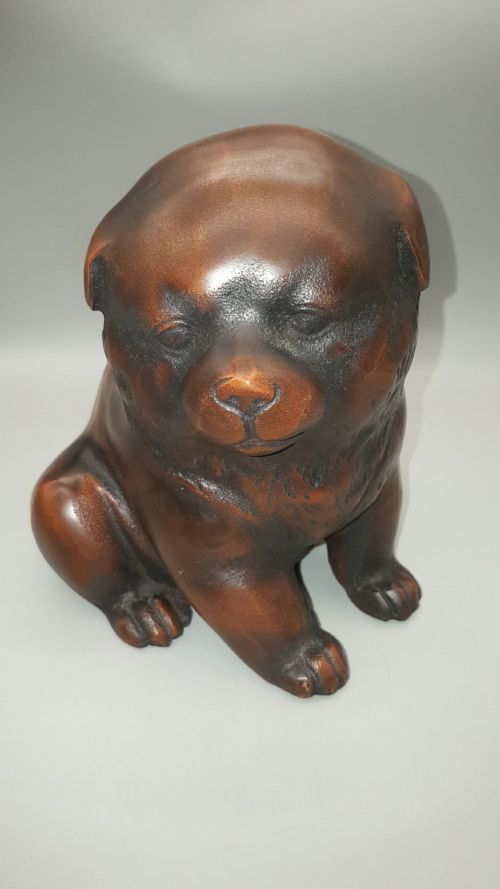
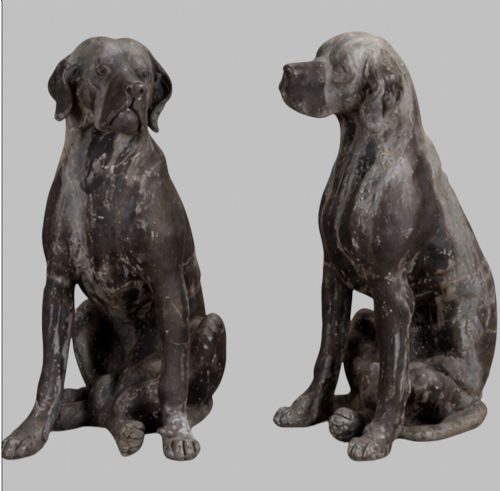
Listings feature several bronze and cast iron pieces depicting specific breeds like Scotties, whippets, dachshunds, and poodles alongside mythical Foo dogs.
What Varies in Quality
For larger functional objects like fire dogs and andirons, substance, stability, and the integrity of the forged or cast joints dictate the quality. Matched pairs that retain their original mounting hardware and patination demonstrate superior craftsmanship compared to composite sets.
Tsunemitsu·C Masson·P de Soete·Louis Lejeune
The Vintage Metal Dog Glossary
- Andiron
- A metal support used in pairs to hold logs in a fireplace, also known as a fire dog. They often feature decorative animal finials.
- Cold Painted
- A method of painting metal objects, particularly bronze and spelter, using oil or pigment paints that are not kiln-fired. This technique was popular for small nineteenth and twentieth-century animal sculptures.
- Spelter
- An alloy of zinc and lead or tin used as a cheaper alternative to bronze for decorative sculptures. It takes patination well but is softer and lighter than bronze.
- Car Mascot
- An ornament fitted to the radiator cap of an automobile, particularly popular during the art deco period. Many depicted stylized greyhounds and hunting dogs.
- Animalier
- A nineteenth-century artistic style focusing on the realistic depiction of animals. Sculptors in this tradition worked extensively in bronze.
Vintage Metal Dog: Frequently Asked Questions
What is a fire dog?
A fire dog is a heavy metal support placed inside a hearth to hold logs above the floor for better airflow. They often feature ornamental iron or brass fronts shaped as animals.
Over time, these functional hearth items evolved into decorative pairs that matched the style of the fireplace mantel and fender.
How do I care for cold painted bronze?
Cold painted bronze requires gentle dusting with a soft, dry brush to preserve the delicate unbaked pigments on the surface. Avoid water, cleaning solutions, or polishing compounds entirely.
Keep these small sculptures out of direct sunlight to prevent the painted surface colours from fading over the decades.
How do I identify spelter from bronze?
Spelter is noticeably lighter than bronze and has a softer composition that can sometimes show a grey or white metal beneath worn paint. Bronze offers a heavier weight and a warmer underlying metallic tone when patination wears thin.
Magnetism does not help distinguish them, as neither alloy is magnetic, so reliance on weight and surface texture is key.
Where were car mascots placed?
Automotive mascots mounted directly onto the top of the radiator cap or the header tank of vintage motor cars. They served as personal ornaments for drivers during the motoring boom.
Many of these metal dog figures now sit on desk stands or collectors' shelves away from their original vehicles.